

1975 Hot Wheels
1975 Chevy Monza 2+2: Graphics, Wheels & Condition
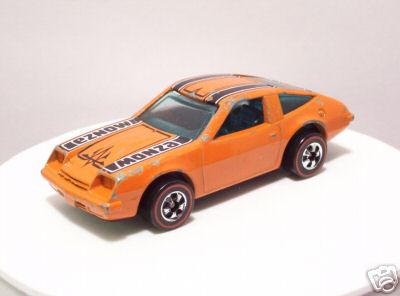
The Chevy Monza 2+2 combines a recognizable car body with large Flying Colors lettering. Its long side panels make decoration condition an important part of identification. Inspect the complete vehicle before choosing an orange or green example for a display.
The 1975 configuration
The Flying Colors checklist records item 7671 in orange and light green. The orange reference has contrasting “Monza” decoration and redline wheels. Match the decoration, underside and running gear together; color alone does not establish the complete release.
Read every side panel
Ask for left and right views taken at comparable distance. Look at the lettering near the doors and the graphics around the wheel openings. A broad side image establishes the layout, while a close view reveals scratches through individual characters. Keep both rather than replacing the full-car image with a detail crop.
When lettering has disappeared, describe the missing area and visible surrounding wear. Do not automatically call it a factory omission. Ask about repainting, polishing and other work that could affect the decoration.
Inspect glazing and body edges
Use an overhead and front view to inspect the roof, windshield edges and nose. Reflections can conceal cracks or make tint appear different, so request neutral light when the image is ambiguous. Record actual glazing condition without inferring cabin color from a blue reflection.
Check seams where the body meets the base and note uneven gaps, glue or disturbed fasteners. Those observations can justify a question about disassembly; a single mark cannot establish the whole repair history. Keep the seller’s disclosure beside the photographs.
Match wheels with the base
Record the country wording and base material from a clear underside photograph. Inspect all four wheel faces, not only the visible near-side pair. Red rings can appear on replacement wheels, and a shiny base does not establish untouched originality. Wheel alignment and originality are separate from paint condition.
Choose a useful comparison
Compare the exact finish, graphics, package and disclosed repairs in completed-sale research. A loose, worn orange car and a sealed light-green example answer different purchasing questions. Browse loose Hot Wheels or carded offers by the current listing’s actual photographs; this reference does not promise stock of the pictured Monza.
Use an exterior-detail condition map
Draw a simple side-and-top outline and mark damaged decoration, edge chips and glazing faults where they occur. The long Monza side graphics deserve separate notes from the roof and nose. A car with readable lettering on one side can still have substantial damage on the other; require both views before using a broad condition label.
For an orange-versus-green comparison, keep the base, wheels and decoration beside the paint field rather than assigning identity from color alone. Measure the complete body before choosing a storage compartment and leave retrieval room around its edges. Keep any repaint or replacement glazing in the record, even when the resulting display looks cleaner than a worn original.


