

Guías para coleccionistas
Model Airplanes: Choose Between Kits, Diecast and Display Models
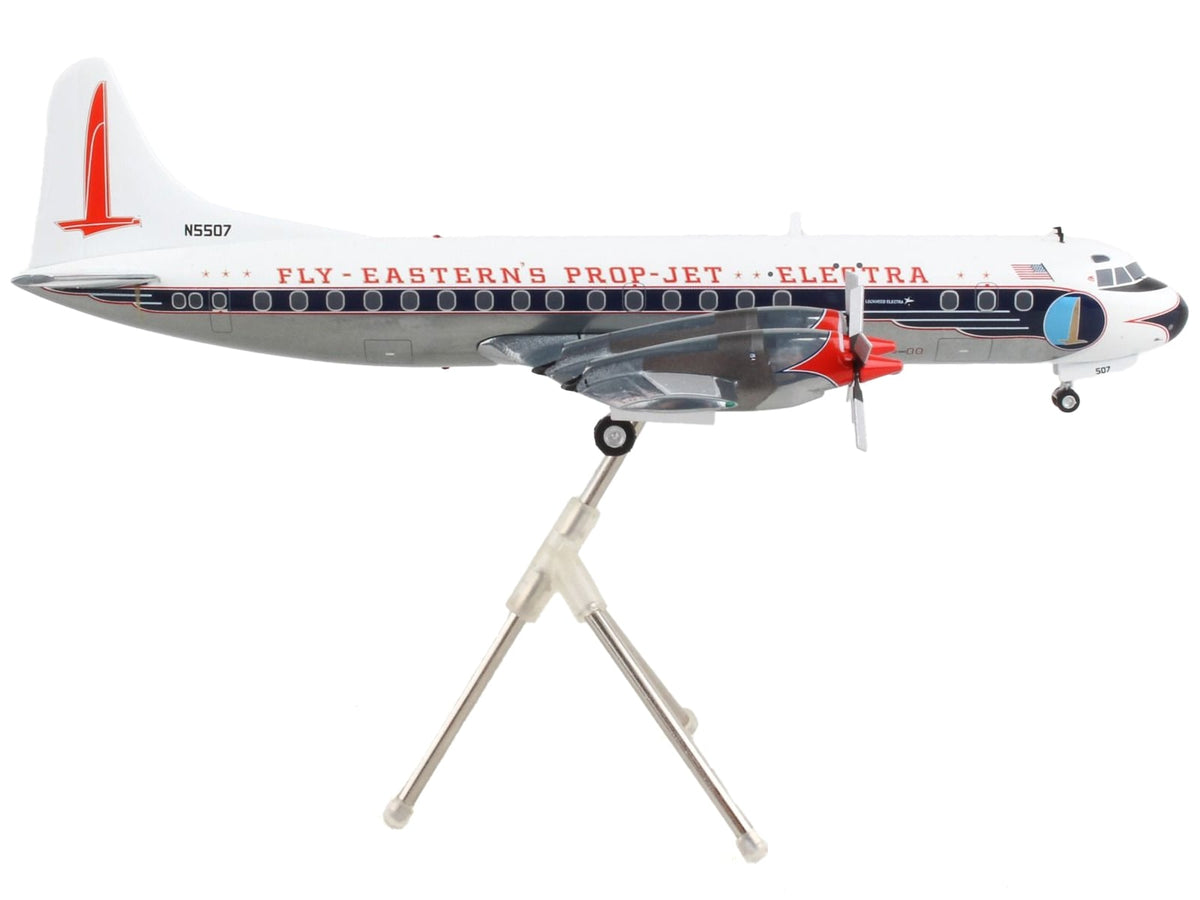
model airplanes is easiest to buy well when the decision begins with the exact product, system or project—not the broad label on the search page.
Aircraft models can be plastic kits, diecast miniatures, resin display models or simplified toys. Aircraft type, operator, registration, scale, wingspan, landing gear and display method identify the real product. That boundary matters because two listings can share the same search phrase while differing in size, compatibility, included parts and the work required after opening the package.
What this model airplanes guide is designed to solve
This page owns one practical decision: choose the right aircraft format before comparing scale and display footprint. It stays separate from neighboring pages about another brand, scale, product family or stage of the hobby. The central rule is to identify the aircraft and format before comparing scale or price. Start with aircraft type, operator, era, scale, kit or finished format, wingspan and display method; those details establish identity and compatibility before price, color or popularity enters the comparison.
Identify the aircraft and exact version
Record the complete product name, manufacturer or line, reference number when available, stated scale or size, and everything included in the package. Read the title, box photographs, specifications and instructions together. Two listings can share the same broad phrase while describing different releases, systems or required supplies, so a missing specification should be marked “not confirmed,” not guessed.
A concrete catalog reference helps turn the checklist into a real decision. Review GeminiJets Eastern Air Lines Lockheed L-188 Electra 1:200 model airplane, then compare its stated scale, contents and dimensions with the exact requirements of this guide. The example is evidence for the method, not proof that every product using the same keyword is interchangeable.
Convert scale into wingspan and shelf depth
Scale labels and category names are starting points, not complete measurements. Record the dimensions that matter after assembly or setup, including length, width, height, curve diameter, wingspan, coupled length or working clearance as appropriate. Mark the footprint on paper or a tabletop and add room for safe handling. This exposes conflicts that product photography can hide.
Choose between a build and a finished display model
Compatibility must be proven at the component level. Compare connectors, electrical requirements, material chemistry, mounting points, part numbers, wheelbase, couplers, motor recommendations or assembly method—whichever applies. Also separate what is included from what is merely shown in promotional photography.
A decision table for model airplanes
| Decision factor | What to verify | What to record |
|---|---|---|
| Aircraft identity | Confirm manufacturer, aircraft type, variant, operator, registration or unit and represented era. | Record the exact value for the model airplanes item before comparing alternatives. |
| Scale and wingspan | Use the scale ratio plus the real aircraft’s span and length to estimate the finished footprint. | Record the exact value for the model airplanes item before comparing alternatives. |
| Construction format | Identify plastic kit, diecast, resin, snap model or toy and the assembly or finishing required. | Record the exact value for the model airplanes item before comparing alternatives. |
| Display support | Check landing gear, stand, propeller or rotor clearance, removable parts and cabinet depth. | Record the exact value for the model airplanes item before comparing alternatives. |
Complete the table for the exact candidate. The compact record makes two listings genuinely comparable and gives the collection or project a useful history.
Build a purchase plan that can succeed
Compare the full title and item number with the images. Similar liveries can appear on different airframes, and one aircraft type can have multiple fuselage, wing or engine variants.
Divide the plan into required now, useful after the first successful session, and optional later. This prevents accessory drift and reveals when a “complete” package still depends on a controller, adhesive, thinner, display case, launch equipment or replacement wear parts. Browse the aircraft and collector guides or review the current model airplanes search results only after the checklist is complete.
Common mistakes to avoid
- Buying by airline or color without confirming the aircraft type and registration.
- Planning a shelf from fuselage length while ignoring wingspan.
- Assuming a finished diecast model and a plastic kit offer the same experience.
- Handling small antennas, landing gear or propellers without a protected display plan.
Do not let a shared scale, brand name or attractive image substitute for documented fit. When releases look nearly identical, the item number, contents and dimensions matter more than the broad category label.
The best next step
Write one sentence that defines the purchase: “I need model airplanes that fits help collectors and builders compare model airplanes by construction type, scale, wingspan, aircraft identity and display method.” Add the non-negotiable scale, system, space and included-content requirements. When the item arrives, photograph the packaging and reference number, inventory the contents, and test or dry-fit the basic system before making irreversible changes.
Frequently asked questions
Which aircraft scale should I choose?
Choose by subject size, desired detail and cabinet space. A large airliner can require substantial wingspan even at a small scale.
Are model airplanes already assembled?
Some are; many kits are not. Confirm the construction format, included stand and finishing requirements.
Why do registrations matter?
The registration can identify a specific aircraft and livery, helping collectors avoid near-duplicate releases.
Should I display an aircraft on gear or a stand?
Use the configuration supported by the exact model. Consider gear strength, stand stability, viewing angle and available vertical space.
Final checklist
Confirm exact identity, intended use, real dimensions, compatibility, included contents and required extras. Keep the notes with the item or project. With those six checks complete, model airplanes becomes a controlled hobby decision rather than a guess based on a broad search phrase.

