

Guías de Trenes en Miniatura
ESU 50326 14 × 12 mm Speaker with Sound Chamber, 8 Ohm: Scale, Layout & Compatibility Guide
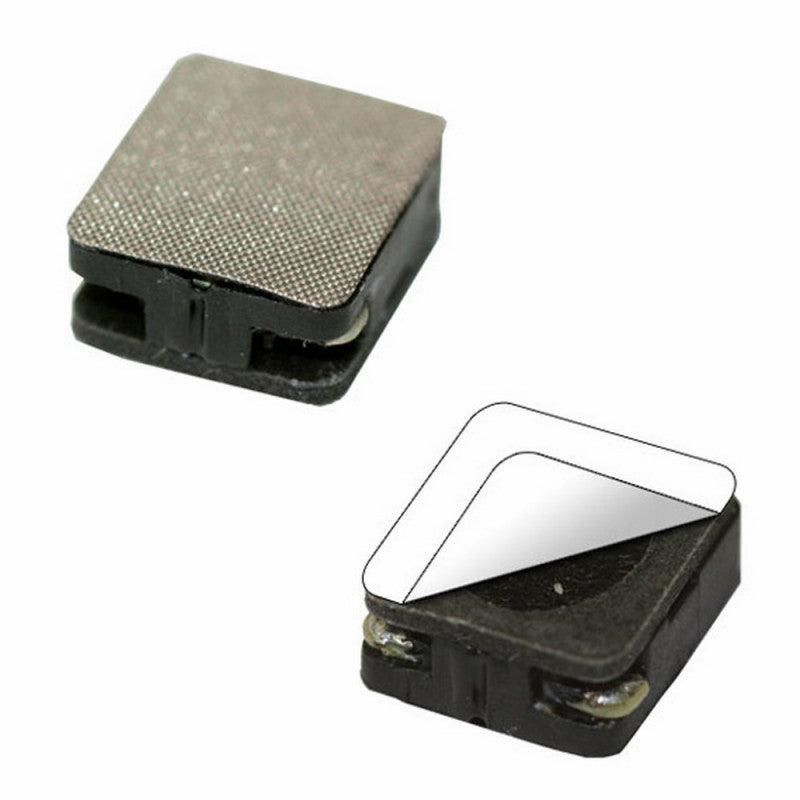
ESU 50326 14 × 12 mm Speaker with Sound Chamber, 8 Ohm is offered by ESU in the model train electronics category. Before it joins a railroad, scale, track or control compatibility, physical clearance, and the role it plays in the scene should all make sense together.
A closer look
Compact ESU rectangular loudspeaker with an integrated sound chamber for compatible model-train sound decoders.
The identifying item number is LOK50326. It is useful when nearby products have similar names.
Start with scale, gauge, and product type
A locomotive, freight car, turnout, structure, decoder, and scenery accessory can all belong to the same railroad category while raising different compatibility questions. The stated scale and product type determine what should be checked next.
Match the item to the layout
Rolling stock and locomotives need suitable curves, clearances, wheel standards, and couplers. Track components need the correct gauge, rail code, geometry, and electrical plan. Structures and scenery need an appropriate footprint, height, era, and access for installation.
Test before permanent installation or regular service
Run rolling stock slowly through the tightest curve and most complicated turnout. Bench-test electrical items before connecting them to the full layout. Place structures with a paper footprint or temporary fastener before cutting scenery or gluing them down.
Keep maintenance practical
Inspect wheels, trucks, couplers, pickups, wires, and delicate details when the item arrives. Store the manufacturer and item number with the layout roster so matching parts and future maintenance do not depend on memory.
How it fits into a layout plan
Test the item at the most demanding point in its intended setup: a tight curve, turnout, platform edge, tunnel, grade, footprint, or electrical connection. A short controlled test is more useful than assuming everything in the same nominal scale will behave alike.
Match the electrical system before connecting anything
Voltage, current capacity, connector type, address or programming method, and supported control system need to agree with the railroad. A similar name or plug shape is not enough when electrical ratings differ.
Bench-test the installation
Follow the wiring diagram, protect exposed connections, and test on a controlled setup before the item is connected to the entire layout. Label wires and save the settings so later troubleshooting does not require the installation to be reverse-engineered.
Study the exact product photographs


Use one final reversible check
Before the item is permanently altered, place it in the intended project, display or operating setup without adhesive or destructive work. Confirm access, clearance, visual scale and the ability to remove or maintain it later. When electrical or powered use applies, begin with the lowest-risk controlled test allowed by the instructions.
Write down any unresolved point rather than improvising an answer. A short pause for the correct dimension, material or interface is usually less expensive than repairing a product that was forced into the wrong role.
What to verify when ESU 50326 14 × 12 mm Speaker with Sound Chamber, 8 Ohm arrives
Keep the shipping carton, product packaging and order confirmation until the item has been inspected. Compare the title, visible finish, quantity, selected option and included pieces with the saved listing photographs. Check delicate edges, clear parts, printed markings, connectors and moving pieces before the product is used.
Photograph anything that differs before assembly, paint, installation or package removal. Once permanent work begins, it becomes harder to separate a delivery problem from a change made during the project. Store the instructions and unused accessories with ESU 50326 14 × 12 mm Speaker with Sound Chamber, 8 Ohm so the product can be identified later without relying on memory.
Model railroad questions to settle
Does matching scale guarantee operating compatibility?
No. Track geometry, rail code, couplers, wheel standards, minimum radius, voltage and control systems can still differ.
What is the safest first test?
Use a clean, controlled section of track and begin slowly. Test the tightest curve, turnout, clearance point or electrical connection before regular service.
What belongs in the roster?
Record manufacturer, item number, road name or number, scale, coupler or connector standard and any maintenance or decoder changes.
Can instructions for a similar item be substituted?
Only after the exact manufacturer item and revision match. Similar bodies can contain different electronics, mechanisms or dimensions.
For related projects, browse Model Trains & Train Sets · ESU.
View ESU 50326 14 × 12 mm Speaker with Sound Chamber, 8 Ohm at Muncle Mikes
Use one final reversible check
Before the item is permanently altered, place it in the intended project, display or operating setup without adhesive or destructive work. Confirm access, clearance, visual scale and the ability to remove or maintain it later. When electrical or powered use applies, begin with the lowest-risk controlled test allowed by the instructions.
Write down any unresolved point rather than improvising an answer. A short pause for the correct dimension, material or interface is usually less expensive than repairing a product that was forced into the wrong role.

