

Guías de Trenes en Miniatura
Lionel 2422070 North Pole Central Cocoa & Milk Train Set – O Gauge: Scale, Layout & Compatibility Guide
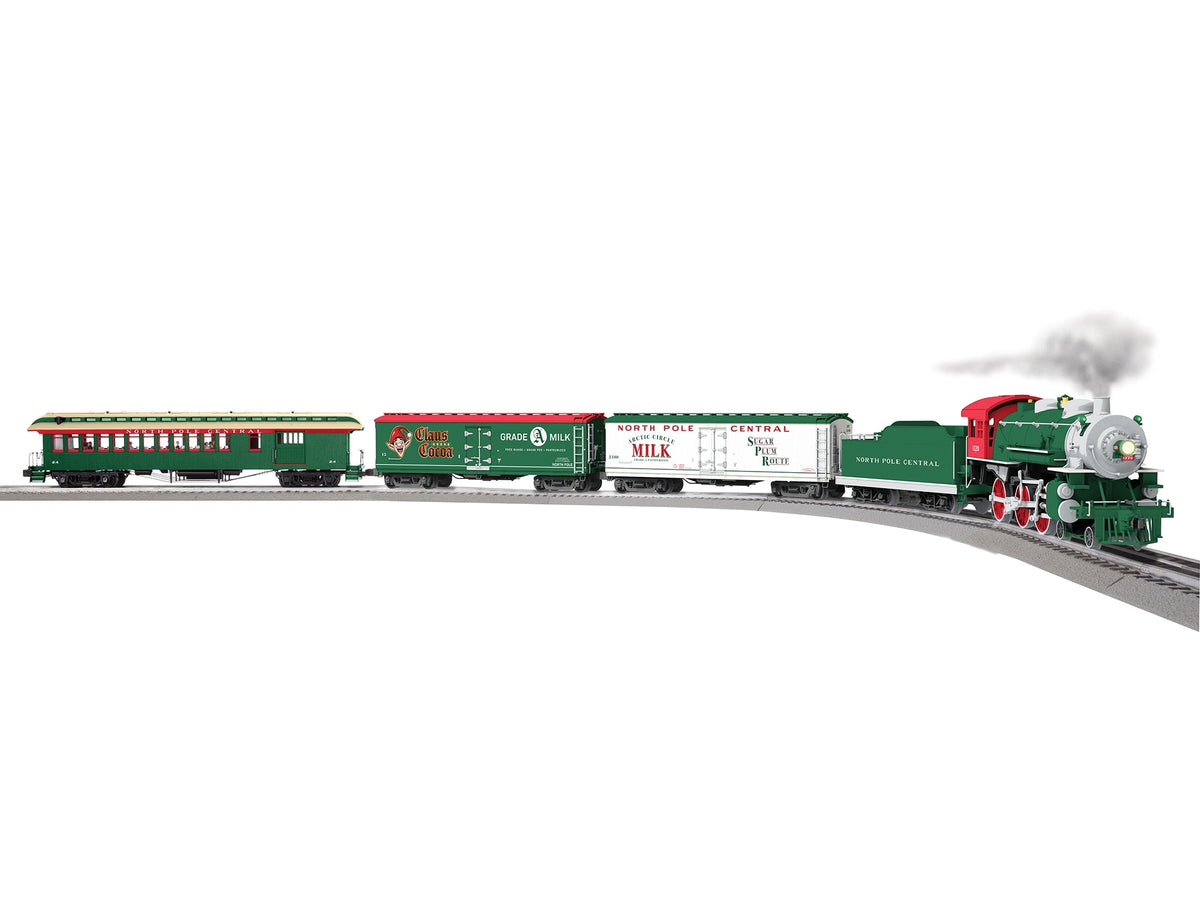
Lionel 2422070 North Pole Central Cocoa & Milk Train Set – O Gauge is offered by Lionel in the o gauge train set category. Before it joins a railroad, scale, track or control compatibility, physical clearance, and the role it plays in the scene should all make sense together.
A closer look
Lionel 2422070 North Pole Central Cocoa & Milk Train Set – O Gauge . North Pole Central Cocoa & Milk themed O Gauge train set.
The identifying item number is LNL2422070. It is useful when nearby products have similar names.
Start with scale, gauge, and product type
A locomotive, freight car, turnout, structure, decoder, and scenery accessory can all belong to the same railroad category while raising different compatibility questions. The stated scale and product type determine what should be checked next.
Match the item to the layout
Rolling stock and locomotives need suitable curves, clearances, wheel standards, and couplers. Track components need the correct gauge, rail code, geometry, and electrical plan. Structures and scenery need an appropriate footprint, height, era, and access for installation.
Test before permanent installation or regular service
Run rolling stock slowly through the tightest curve and most complicated turnout. Bench-test electrical items before connecting them to the full layout. Place structures with a paper footprint or temporary fastener before cutting scenery or gluing them down.
Keep maintenance practical
Inspect wheels, trucks, couplers, pickups, wires, and delicate details when the item arrives. Store the manufacturer and item number with the layout roster so matching parts and future maintenance do not depend on memory.
How it fits into a layout plan
Test the item at the most demanding point in its intended setup: a tight curve, turnout, platform edge, tunnel, grade, footprint, or electrical connection. A short controlled test is more useful than assuming everything in the same nominal scale will behave alike.
Power and control have to match the railroad
Check whether the locomotive is intended for DC, DCC, sound-equipped DCC, or another control system. Minimum radius, pickup arrangement, coupler height, and overall length also affect how it behaves on the layout.
Make the first run a gentle one
Inspect handrails, steps, wheels, and pickups before applying power. Begin at low speed on clean track, then test curves and turnouts before adding a full train. A quiet break-in and a simple maintenance note help establish a useful baseline.
Study the exact product photographs

Make the article useful after the purchase
Add the acquisition date, selected option, storage location and one arrival photograph to the record. If the item is consumed or installed, note the project where it was used. If it is collectible, record package and item condition separately. If it is modified, preserve the starting identity before describing the finished result.
Those details create a reliable history for future maintenance, replacement, resale or comparison while keeping the original product facts intact.
A final product-specific decision checklist
- Match the identity: compare the complete title, manufacturer, item number and selected option with the current package or product label.
- Confirm the contents: separate items explicitly included from tools, scenery, vehicles, paint or accessories shown only to explain use.
- Measure the real space: check footprint, clearance, scale, wheelbase, connector or mounting dimensions wherever fit affects the project.
- Use the correct instructions: rely on the current manufacturer document for assembly, operation, material compatibility, care and safety.
- Test reversibly: dry-fit, place temporarily or run a controlled low-risk test before cutting, gluing, painting, wiring or discarding packaging.
- Document the result: save one arrival photograph and record the actual fit, condition or operating outcome separately from the original specification.
This checklist is deliberately tied to the exact item rather than a broad category assumption. Two products can share a subject, brand or nominal scale while differing in quantity, materials, interfaces or included hardware. Resolve those differences before permanent work. If a required fact is absent from the current listing, mark it as unresolved and obtain it from the manufacturer or the physical instructions instead of guessing.
After use, keep any spare pieces, labels and instructions together. For a build, note the materials and changes that produced the finished result. For operating equipment, record maintenance and compatibility observations. For a collectible, record package and item condition separately. Those notes make the guide useful later without rewriting an owner observation as a factory claim.
Preserve a useful starting record
Save the receipt, the product URL and one clear arrival photograph under LNL2422070. Record only what can be observed directly: package condition, included pieces, color, size, fit, damage or missing components. Do not turn an assumption about a similar product into a fact about this one.
After the first inspection, add project or collection notes separately. That keeps the original product evidence intact while still allowing the owner to document assembly choices, display location, operating results, custom work or maintenance.
Model railroad questions to settle
Does matching scale guarantee operating compatibility?
No. Track geometry, rail code, couplers, wheel standards, minimum radius, voltage and control systems can still differ.
What is the safest first test?
Use a clean, controlled section of track and begin slowly. Test the tightest curve, turnout, clearance point or electrical connection before regular service.
What belongs in the roster?
Record manufacturer, item number, road name or number, scale, coupler or connector standard and any maintenance or decoder changes.
Can instructions for a similar item be substituted?
Only after the exact manufacturer item and revision match. Similar bodies can contain different electronics, mechanisms or dimensions.
For related projects, browse Model Trains & Train Sets · Lionel.
View Lionel 2422070 North Pole Central Cocoa & Milk Train Set – O Gauge at Muncle Mikes
Make the article useful after the purchase
Add the acquisition date, selected option, storage location and one arrival photograph to the record. If the item is consumed or installed, note the project where it was used. If it is collectible, record package and item condition separately. If it is modified, preserve the starting identity before describing the finished result.
Those details create a reliable history for future maintenance, replacement, resale or comparison while keeping the original product facts intact.
A final product-specific decision checklist
- Match the identity: compare the complete title, manufacturer, item number and selected option with the current package or product label.
- Confirm the contents: separate items explicitly included from tools, scenery, vehicles, paint or accessories shown only to explain use.
- Measure the real space: check footprint, clearance, scale, wheelbase, connector or mounting dimensions wherever fit affects the project.
- Use the correct instructions: rely on the current manufacturer document for assembly, operation, material compatibility, care and safety.
- Test reversibly: dry-fit, place temporarily or run a controlled low-risk test before cutting, gluing, painting, wiring or discarding packaging.
- Document the result: save one arrival photograph and record the actual fit, condition or operating outcome separately from the original specification.
This checklist is deliberately tied to the exact item rather than a broad category assumption. Two products can share a subject, brand or nominal scale while differing in quantity, materials, interfaces or included hardware. Resolve those differences before permanent work. If a required fact is absent from the current listing, mark it as unresolved and obtain it from the manufacturer or the physical instructions instead of guessing.
After use, keep any spare pieces, labels and instructions together. For a build, note the materials and changes that produced the finished result. For operating equipment, record maintenance and compatibility observations. For a collectible, record package and item condition separately. Those notes make the guide useful later without rewriting an owner observation as a factory claim.

