

Guías de Trenes en Miniatura
Staging Yard vs Classification Yard: What Each Does
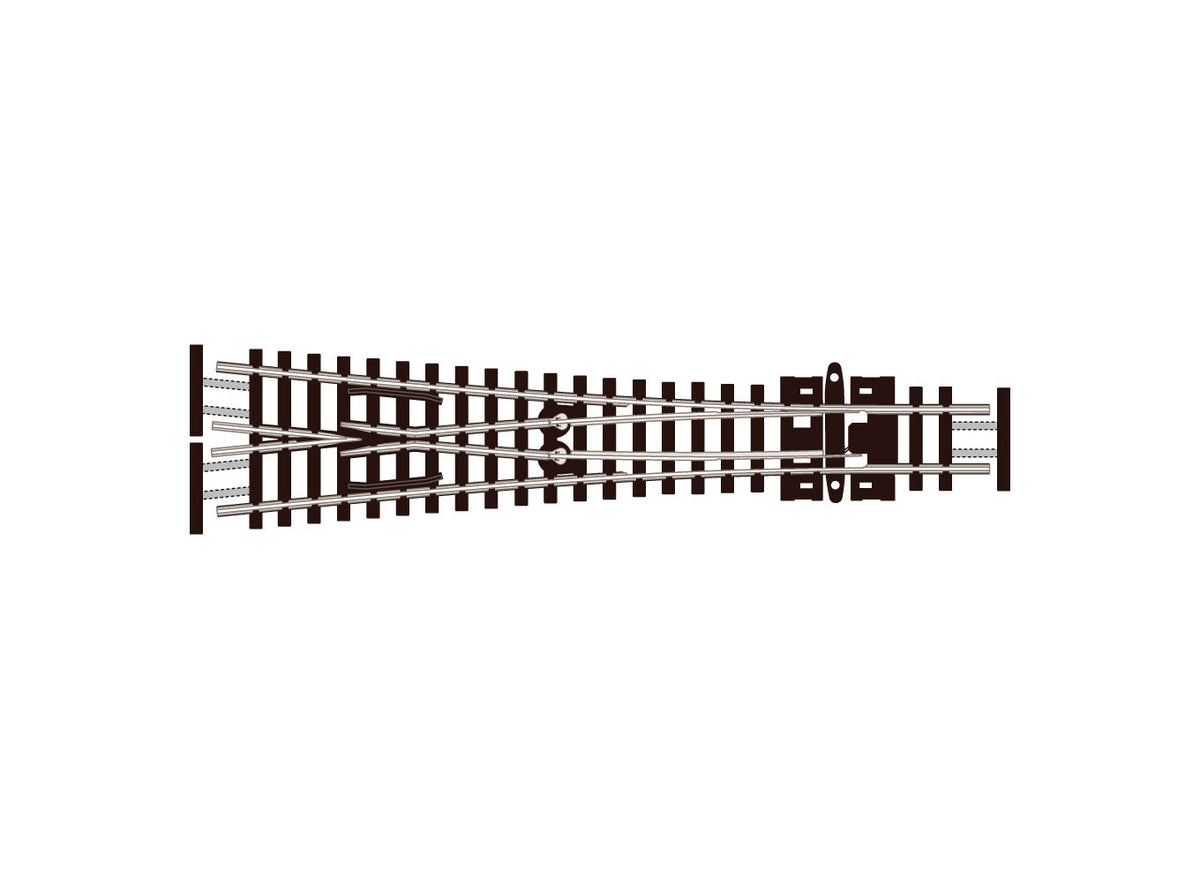
A staging yard and a classification yard can both look like parallel tracks joined by turnouts, but they solve different problems. Staging holds complete trains until they enter or leave the modeled railroad. Classification breaks arriving cars into destination blocks and builds departing trains.
Confusing the jobs leads to poor track planning. A staging track that is too short cannot hide the intended train. A classification yard without a lead can block the main line every time cars are sorted.
Staging represents the world beyond the layout
NMRA’s planning guide describes staging tracks as holding tracks where trains wait to appear and disappear. They may be hidden, behind scenery or placed at layout ends. The guide recommends sizing them for the longest trains and the number of trains expected during a session.
Because staging stores complete consists, reliable access matters even when the tracks are hidden. Derailments and dirty rail do not become less likely simply because the operator cannot see them. Provide lighting, reach and a way to identify each track.
Classification is active railroad work
A classification yard receives cars, sorts them by destination or block and assembles outbound trains. It commonly needs an arrival/departure function, classification tracks and a lead long enough for the switching job. The exact arrangement depends on traffic, train length and available space.
NMRA’s operations guide describes the yardmaster’s work as tracking expected trains and blocks, then preparing cars in the desired order. That activity should be visible and reachable if it is part of the session.
- Define the train length before drawing ladders.
- Keep storage capacity separate from switching capacity.
- Provide access to hidden staging.
- Protect the main line from repeated yard moves.
- Test turnout control from the normal operating position.
A layout can need both
Staging can feed a visible classification yard: a train arrives from the hidden world, is broken down in the modeled yard and later departs for another staging destination. The two facilities work together without sharing the same job.
Small layouts may use a cassette, sector plate or removable track instead of a large staging ladder. A compact classification area may sort only a few local cars. Choose the smallest arrangement that supports the intended session.
Yard-purpose comparison
| Choice | Best when | Watch for |
|---|---|---|
| Staging yard | Holding complete trains before or after an appearance. | Track length, access and identification. |
| Classification yard | Sorting cars and assembling trains during operation. | Lead length and main-line interference. |
| Fiddle or cassette staging | Hands-on interchange where space is limited. | Manual handling and alignment. |
Plan the next step
List every train movement in a sample session. Mark where complete trains wait and where individual cars change blocks; those two lists reveal which yard functions the plan needs.
Keep exploring this topic
Questions builders and collectors ask
Can staging be visible?
Yes. The purpose is holding trains, not necessarily hiding them, though many layouts use off-scene staging.
Can a classification yard store trains?
It can hold cars temporarily, but using every track for storage may eliminate the space needed to sort.
How long should staging tracks be?
At least as long as the complete trains they must hold, including locomotives and clearance at turnouts.
What is a yard lead?
It is track used for switching the yard ladder so classification moves can occur with less interference to other routes.
Return to Model Train Guides for more Muncle Mikes guides.

