

Guías de productos para tus hobbies
Best Dog Dad / Paws Approved Coffee Mug – 11 oz: Material, Care & Gift Guide
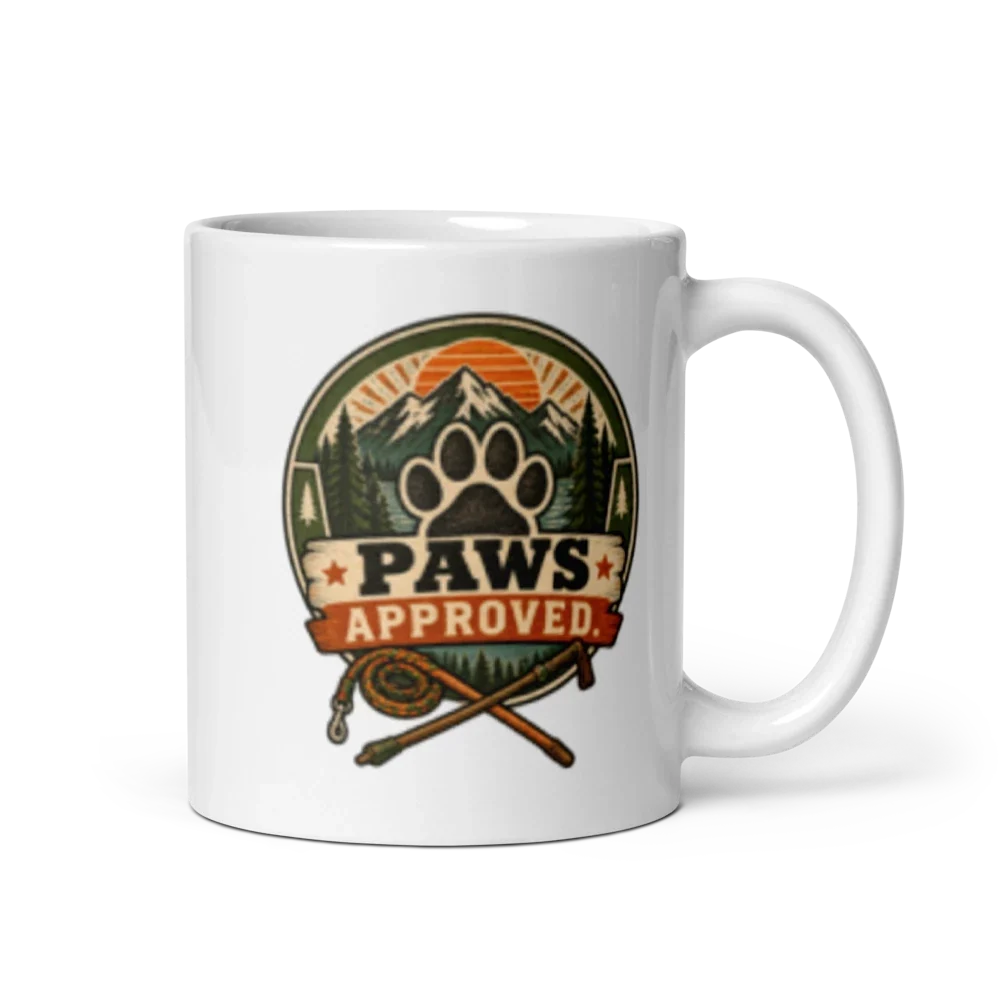
Best Dog Dad / Paws Approved Coffee Mug – 11 oz is offered by Printful in the coffee mugs category. The right choice depends on the practical details that affect fit, care, delivery, or everyday use.
Where it fits in the hobby
A white glossy ceramic mug featuring the Best Dog Dad / Paws Approved design, made to order for Muncle Mikes.
The Muncle Mikes SKU is MMPF-T107081213-V1320. It is useful when nearby products have similar names.
Material determines how the mug is used
Ceramic, enamel, glass, and metal drinkware differ in weight, rim feel, heat behavior, and care. Microwave and dishwasher use should follow the instructions for the actual material rather than a general assumption about mugs.
Look at the complete design
Front, back, and wrap placement can change how artwork appears in the hand or on a shelf. Product mockups show the intended design, while the delivered item may have small placement differences from the manufacturing process.
Inspect before first use
Check the rim, handle, printed surface, and body for cracks, chips, or sharp edges. Stop using damaged drinkware that could expose a sharp surface or allow liquid into a cracked area.
Choose it for the recipient’s real routine
A hobby mug can be everyday drinkware, a desk cup, or a display piece. Match the material and capacity to the likely use instead of choosing only by artwork.
Putting the product to use
Follow the washing and microwave guidance for the actual material. Printed ceramic, enamel, and metal drinkware can have different care limits, and those differences matter more than the mug shape alone.
Heat and cleaning guidance are material-specific
A metal or enamel mug should never be treated as microwave safe unless the product instructions explicitly allow it. Printed surfaces may also last longer with gentler washing than the undecorated material would require.
Give the mug enough storage room
Handles, rims, and printed faces can chip or scratch when tightly stacked. Store the piece so other drinkware does not press against the decoration.
Study the exact product photographs

Make the article useful after the purchase
Add the acquisition date, selected option, storage location and one arrival photograph to the record. If the item is consumed or installed, note the project where it was used. If it is collectible, record package and item condition separately. If it is modified, preserve the starting identity before describing the finished result.
Those details create a reliable history for future maintenance, replacement, resale or comparison while keeping the original product facts intact.
A final product-specific decision checklist
- Match the identity: compare the complete title, manufacturer, item number and selected option with the current package or product label.
- Confirm the contents: separate items explicitly included from tools, scenery, vehicles, paint or accessories shown only to explain use.
- Measure the real space: check footprint, clearance, scale, wheelbase, connector or mounting dimensions wherever fit affects the project.
- Use the correct instructions: rely on the current manufacturer document for assembly, operation, material compatibility, care and safety.
- Test reversibly: dry-fit, place temporarily or run a controlled low-risk test before cutting, gluing, painting, wiring or discarding packaging.
- Document the result: save one arrival photograph and record the actual fit, condition or operating outcome separately from the original specification.
This checklist is deliberately tied to the exact item rather than a broad category assumption. Two products can share a subject, brand or nominal scale while differing in quantity, materials, interfaces or included hardware. Resolve those differences before permanent work. If a required fact is absent from the current listing, mark it as unresolved and obtain it from the manufacturer or the physical instructions instead of guessing.
After use, keep any spare pieces, labels and instructions together. For a build, note the materials and changes that produced the finished result. For operating equipment, record maintenance and compatibility observations. For a collectible, record package and item condition separately. Those notes make the guide useful later without rewriting an owner observation as a factory claim.
A careful first inspection
Begin with the exact reference MMPF-T107081213-V1320 and the current photographs for Best Dog Dad / Paws Approved Coffee Mug – 11 oz. Confirm the package or item, selected variant and visible components before discarding labels or separating small parts. Inspect high-risk areas such as thin trim, mirrors, fins, axles, couplers, clear pieces and electrical contacts when those features apply.
If the item will be modified, make one dated photograph of the starting condition. That image protects the product record and gives the builder a useful reference for reassembly, wheel alignment, paint placement or later troubleshooting.
Drinkware questions
Is every printed mug microwave safe?
No. Material and decoration determine the care limits; follow the exact product instructions.
Can the screen color be treated as exact?
No. Screen settings and printing processes can create small color differences.
What should be inspected after delivery?
Check the rim, handle, body and print for chips, cracks or damage before the shipping materials are discarded.
How should it be stored?
Avoid tight stacking or contact that presses against the handle or printed surface.
For related projects, browse Coffee Mugs & Enamel Camping Mugs.
View Best Dog Dad / Paws Approved Coffee Mug – 11 oz at Muncle Mikes
Make the article useful after the purchase
Add the acquisition date, selected option, storage location and one arrival photograph to the record. If the item is consumed or installed, note the project where it was used. If it is collectible, record package and item condition separately. If it is modified, preserve the starting identity before describing the finished result.
Those details create a reliable history for future maintenance, replacement, resale or comparison while keeping the original product facts intact.
A final product-specific decision checklist
- Match the identity: compare the complete title, manufacturer, item number and selected option with the current package or product label.
- Confirm the contents: separate items explicitly included from tools, scenery, vehicles, paint or accessories shown only to explain use.
- Measure the real space: check footprint, clearance, scale, wheelbase, connector or mounting dimensions wherever fit affects the project.
- Use the correct instructions: rely on the current manufacturer document for assembly, operation, material compatibility, care and safety.
- Test reversibly: dry-fit, place temporarily or run a controlled low-risk test before cutting, gluing, painting, wiring or discarding packaging.
- Document the result: save one arrival photograph and record the actual fit, condition or operating outcome separately from the original specification.
This checklist is deliberately tied to the exact item rather than a broad category assumption. Two products can share a subject, brand or nominal scale while differing in quantity, materials, interfaces or included hardware. Resolve those differences before permanent work. If a required fact is absent from the current listing, mark it as unresolved and obtain it from the manufacturer or the physical instructions instead of guessing.
After use, keep any spare pieces, labels and instructions together. For a build, note the materials and changes that produced the finished result. For operating equipment, record maintenance and compatibility observations. For a collectible, record package and item condition separately. Those notes make the guide useful later without rewriting an owner observation as a factory claim.

