

Guías de productos para tus hobbies
Hood Ornament Honey: Fit, Material & Gift Guide
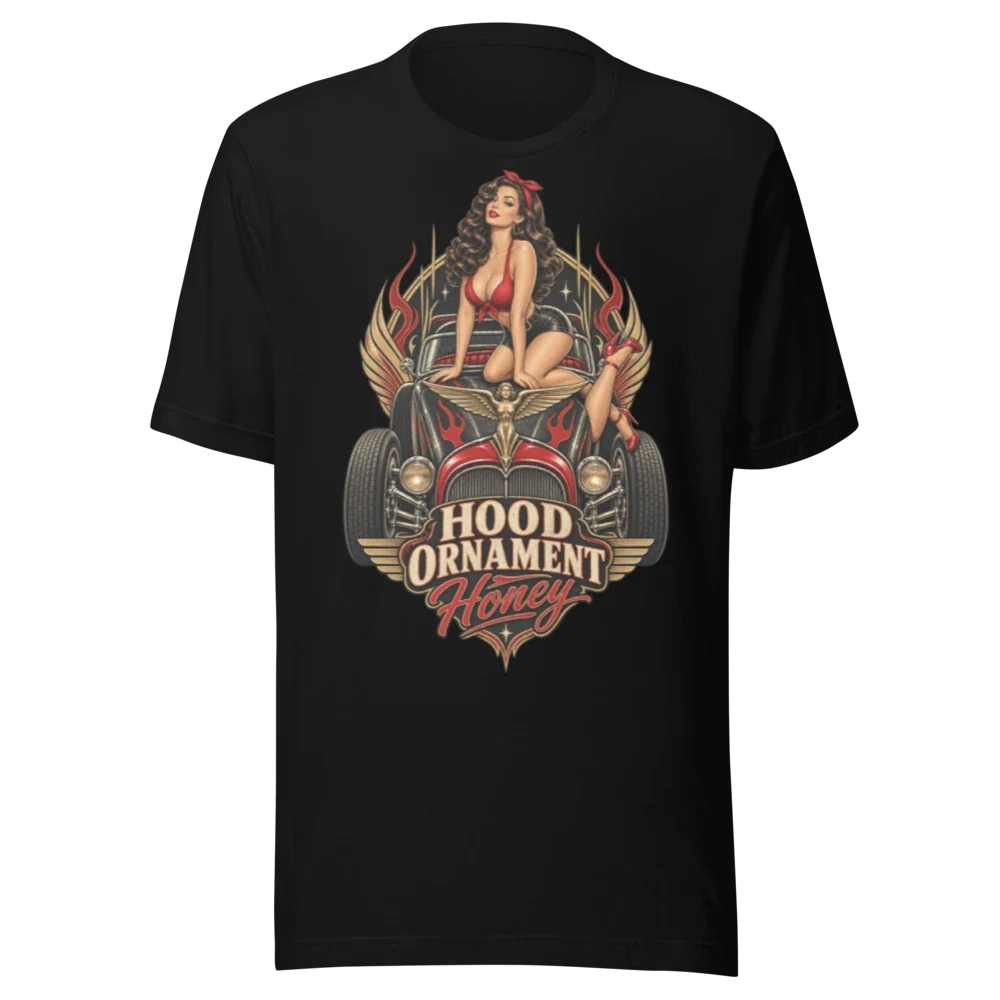
Hood Ornament Honey combines a hobby theme with an everyday or giftable product. Material, size, format, care, delivery, or renewal details determine how well it fits the person who will use it.
Where it fits in the hobby
Wear the Hood Ornament Honey design on this unisex T-shirt, made to order for Muncle Mikes and fulfilled through Printful. Select a listed color and size to check the available combination.
The Muncle Mikes SKU is MMPF-T107084851-V4011. It is useful when nearby products have similar names.
Choose the size from measurements
Compare the published size information with a shirt, sweatshirt, or cap that already fits the wearer. Brand and cut can change the feel of the same labeled size, so preferred fit matters as much as the number on the tag.
Material and construction affect comfort
Fiber blend, garment weight, structure, closure, print, and embroidery influence stretch, warmth, breathability, and shape. Use the stated material information for the selected variant rather than assuming every color uses an identical blend.
Follow the care instructions
Heat and harsh washing can damage prints, embroidery, elastic, and garment shape. Inspect fit before removing tags when exchange eligibility matters, then follow the instructions supplied with the item.
Make the gift personal
Match both the design and the wearer’s preferred size, color, and style. A hobby theme can be perfect while the gift still misses the mark if the recipient does not like visible branding or the selected fit.
Putting the product to use
Compare the size information with a garment or cap that already fits the wearer. The design can be perfect while the gift still misses the mark if the cut, closure, or preferred fit is wrong.
Color and decoration can affect the final garment
Embroidery, screen printing, direct-to-garment printing, and heat-applied graphics have different texture and care needs. Review the selected color and decoration placement rather than assuming every variant looks identical.
Check fit before the first wash
Once tags are removed or the garment is washed, exchange options may change. Try the item on carefully and compare sleeve, body length, crown depth, or closure range with the wearer’s preferred fit.
Study the exact product photographs

Use one final reversible check
Before the item is permanently altered, place it in the intended project, display or operating setup without adhesive or destructive work. Confirm access, clearance, visual scale and the ability to remove or maintain it later. When electrical or powered use applies, begin with the lowest-risk controlled test allowed by the instructions.
Write down any unresolved point rather than improvising an answer. A short pause for the correct dimension, material or interface is usually less expensive than repairing a product that was forced into the wrong role.
A final product-specific decision checklist
- Match the identity: compare the complete title, manufacturer, item number and selected option with the current package or product label.
- Confirm the contents: separate items explicitly included from tools, scenery, vehicles, paint or accessories shown only to explain use.
- Measure the real space: check footprint, clearance, scale, wheelbase, connector or mounting dimensions wherever fit affects the project.
- Use the correct instructions: rely on the current manufacturer document for assembly, operation, material compatibility, care and safety.
- Test reversibly: dry-fit, place temporarily or run a controlled low-risk test before cutting, gluing, painting, wiring or discarding packaging.
- Document the result: save one arrival photograph and record the actual fit, condition or operating outcome separately from the original specification.
This checklist is deliberately tied to the exact item rather than a broad category assumption. Two products can share a subject, brand or nominal scale while differing in quantity, materials, interfaces or included hardware. Resolve those differences before permanent work. If a required fact is absent from the current listing, mark it as unresolved and obtain it from the manufacturer or the physical instructions instead of guessing.
After use, keep any spare pieces, labels and instructions together. For a build, note the materials and changes that produced the finished result. For operating equipment, record maintenance and compatibility observations. For a collectible, record package and item condition separately. Those notes make the guide useful later without rewriting an owner observation as a factory claim.
Before opening, installing or modifying the item
Compare Hood Ornament Honey with the saved listing while every component and label is still together. Confirm the exact product reference, quantity, finish and selected option. Look for shipping damage, loose pieces or a mismatch in the areas most important to the project.
Keep small accessories and instructions in a labeled container until the product has been tested in its intended setting. A reversible first test is safer than cutting, gluing, painting, wiring or discarding packaging before fit and function are understood.
Fit and care questions
Should the buyer rely on the usual size label?
No. Compare the published garment measurements with an item that already fits the wearer.
Can fabric composition vary by color?
It can. Review the selected variant rather than assuming every color uses the same blend.
When should fit be checked?
Try the item on before washing or removing tags when return eligibility matters.
How should the decoration be cared for?
Follow the supplied label and the decoration-specific washing guidance for the exact garment.
For related projects, browse Graphic T-Shirts & Tees.
View Hood Ornament Honey at Muncle Mikes
Use one final reversible check
Before the item is permanently altered, place it in the intended project, display or operating setup without adhesive or destructive work. Confirm access, clearance, visual scale and the ability to remove or maintain it later. When electrical or powered use applies, begin with the lowest-risk controlled test allowed by the instructions.
Write down any unresolved point rather than improvising an answer. A short pause for the correct dimension, material or interface is usually less expensive than repairing a product that was forced into the wrong role.
A final product-specific decision checklist
- Match the identity: compare the complete title, manufacturer, item number and selected option with the current package or product label.
- Confirm the contents: separate items explicitly included from tools, scenery, vehicles, paint or accessories shown only to explain use.
- Measure the real space: check footprint, clearance, scale, wheelbase, connector or mounting dimensions wherever fit affects the project.
- Use the correct instructions: rely on the current manufacturer document for assembly, operation, material compatibility, care and safety.
- Test reversibly: dry-fit, place temporarily or run a controlled low-risk test before cutting, gluing, painting, wiring or discarding packaging.
- Document the result: save one arrival photograph and record the actual fit, condition or operating outcome separately from the original specification.
This checklist is deliberately tied to the exact item rather than a broad category assumption. Two products can share a subject, brand or nominal scale while differing in quantity, materials, interfaces or included hardware. Resolve those differences before permanent work. If a required fact is absent from the current listing, mark it as unresolved and obtain it from the manufacturer or the physical instructions instead of guessing.
After use, keep any spare pieces, labels and instructions together. For a build, note the materials and changes that produced the finished result. For operating equipment, record maintenance and compatibility observations. For a collectible, record package and item condition separately. Those notes make the guide useful later without rewriting an owner observation as a factory claim.

