

Guías de productos para tus hobbies
O Scale Train Track: Plan a Reliable Layout
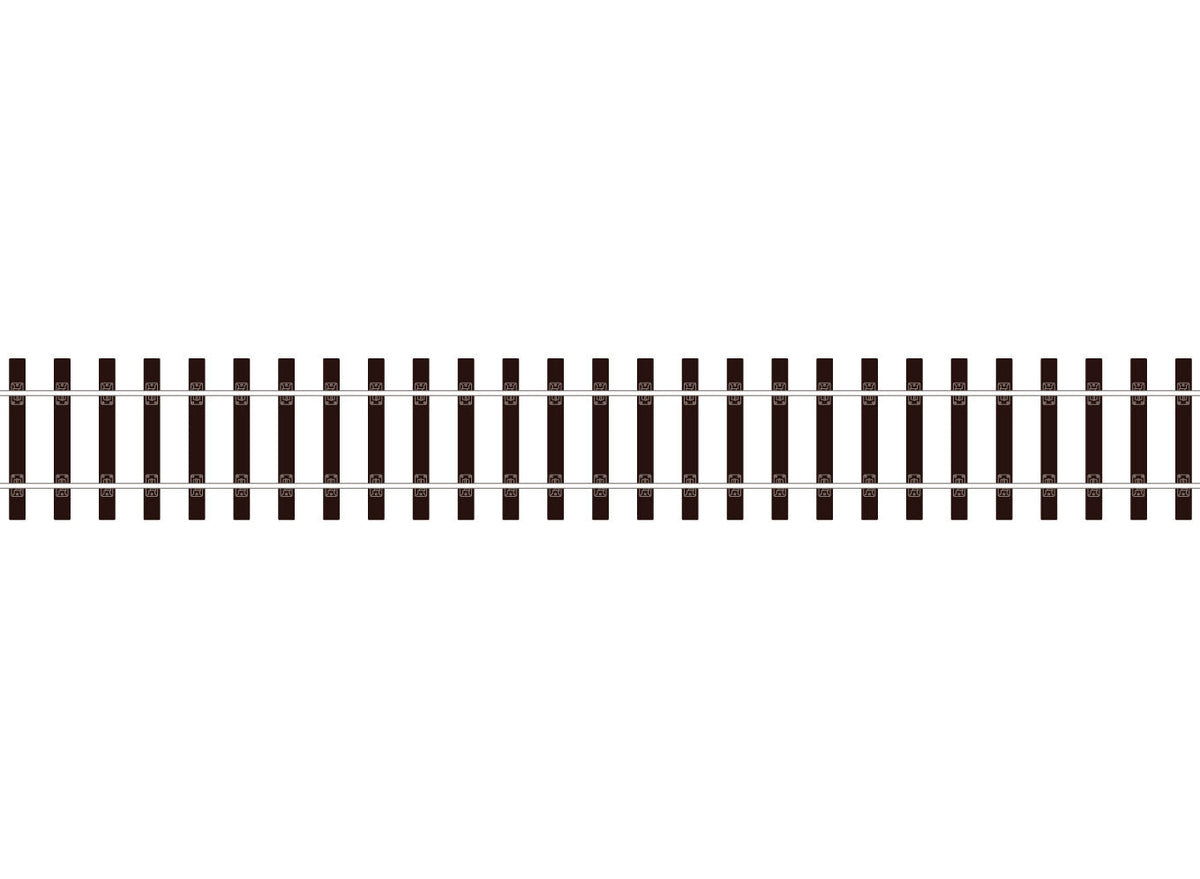
This guide focuses on planning O scale track around real equipment length, room access, and future expansion rather than choosing pieces by appearance alone.
Here, “O scale” describes the modeling scale, while track systems may also be described by gauge, rail count, or a manufacturer’s roadbed format. The first job is to identify the system already in use and the locomotives that must run on it.
What O Scale Train Track Means in Practice
O scale track planning starts with the physical size of the models and the room. Equipment length, curve radius, aisle access, table depth, scenery, and the choice between three-rail and two-rail operation shape the railroad.
The best decision is not the one with the longest feature list. It is the one that fits the equipment, workspace, display, skill level, or operating system already in front of you. Exact product identity and compatibility should be settled before price or appearance becomes the deciding factor.
The Decisions That Matter Most for O Scale Train Track
Three-rail and two-rail are different decisions
Many O layouts use a center rail, while scale-oriented systems may use two rails. Track, wheel, power, and control expectations can differ, so settle that question before comparing curves or switches.
Broad curves protect the plan
Large steam locomotives, full-length passenger cars, and articulated equipment can look awkward or derail on tight curves. Use the minimum curve as a floor, not as the automatic design target.
Access matters at O scale
O equipment is large enough that a deep table can become difficult to reach. Leave aisles, lift-outs, or open centers so every turnout and hidden section can be serviced.
These checks turn a broad shopping phrase into a useful plan. They also prevent close-looking products from being treated as interchangeable when scale, construction, electrical design, release identity, or intended use says otherwise.
How to Compare the Available Options
Use the following filters in order. Starting with fit and compatibility keeps an attractive but unsuitable item from becoming an expensive detour.
Plan around the longest equipment
Passenger cars and large steam locomotives expose curves that look acceptable with short freight cars.
Protect human access
O scale tables can become too deep to reach. Open centers, aisles, and lift-outs are design features.
Choose a modeling approach
Three-rail operation and two-rail scale modeling can use different track, wheels, wiring, and visual priorities.
Reserve scenery volume
Large buildings, platforms, roads, and vertical clearances require meaningful space beside the track.
A Practical Plan Before You Buy or Build
Good hobby results usually come from a short written plan. The plan does not have to be complicated; it only needs to capture the decisions that become difficult to reverse later.
- Measure the room and mark all doors, aisles, and reach limits.
- List the longest locomotives and cars planned for the layout.
- Choose the rail arrangement and track family.
- Sketch broad curves, turnouts, scenery, and access together.
- Build and test the full track plan before permanent construction.
After the first test, write down what worked. A simple note about fit, color, track geometry, setup, handling, or compatibility becomes valuable when the project expands or a similar item is considered later.
Common Mistakes to Avoid
- Designing from a starter-set oval alone.
- Using the minimum curve everywhere.
- Building a table deeper than can be reached.
- Mixing two-rail and three-rail assumptions.
Another frequent mistake is treating a product photograph as a complete specification. Photographs help confirm appearance, but the live title, scale, model number, contents, compatibility notes, and manufacturer instructions are the details that settle the purchase.
Who This Guide Is For
This guide is for a model railroader planning a first layout, a returning hobbyist comparing track systems, or an operator expanding an established railroad. A gift buyer should confirm the recipient’s scale, rail arrangement, track family, curve requirements, and available room before choosing pieces.
Before expanding an existing railroad, record the track brand and family, rail arrangement, curve sizes, switch types, feeder method, control system, longest equipment, table dimensions, and every place that must remain reachable.
Explore O Scale Train Track at Muncle Mike’s
Current inventory can change, so use the live product pages to confirm price, availability, included parts, scale, color, and shipping details. The links below lead only to Muncle Mike’s products and searches related to this guide.
Frequently Asked Questions
Is O scale train track the same as O gauge track?
The terms overlap in everyday shopping, but scale, gauge, rail arrangement, and track system are not identical ideas. Confirm the exact system and equipment requirements.
Can different brands of O track be connected?
Sometimes adapters or transition sections exist, but direct compatibility should never be assumed. Rail height, connectors, roadbed, and electrical design must all match.
What curve should an O scale layout use?
Use the broadest curve that fits while meeting the minimum listed for the longest locomotive and cars you plan to run.
Should track be fastened immediately?
No. Assemble and test the complete plan first, including slow-speed running through every turnout.
The Bottom Line
O Scale Train Track — A dependable track plan starts with the equipment and room, not a pile of attractive pieces. Confirm the exact system, choose curves for the longest trains, protect electrical continuity, preserve access, and test the complete route before fastening anything permanently.

