

Matchbox: historia y coleccionismo
1952 Seagrave Fire Engine 2018 matchbox 72/125. FHH28. Loose: Collector Identification & Condition Guide
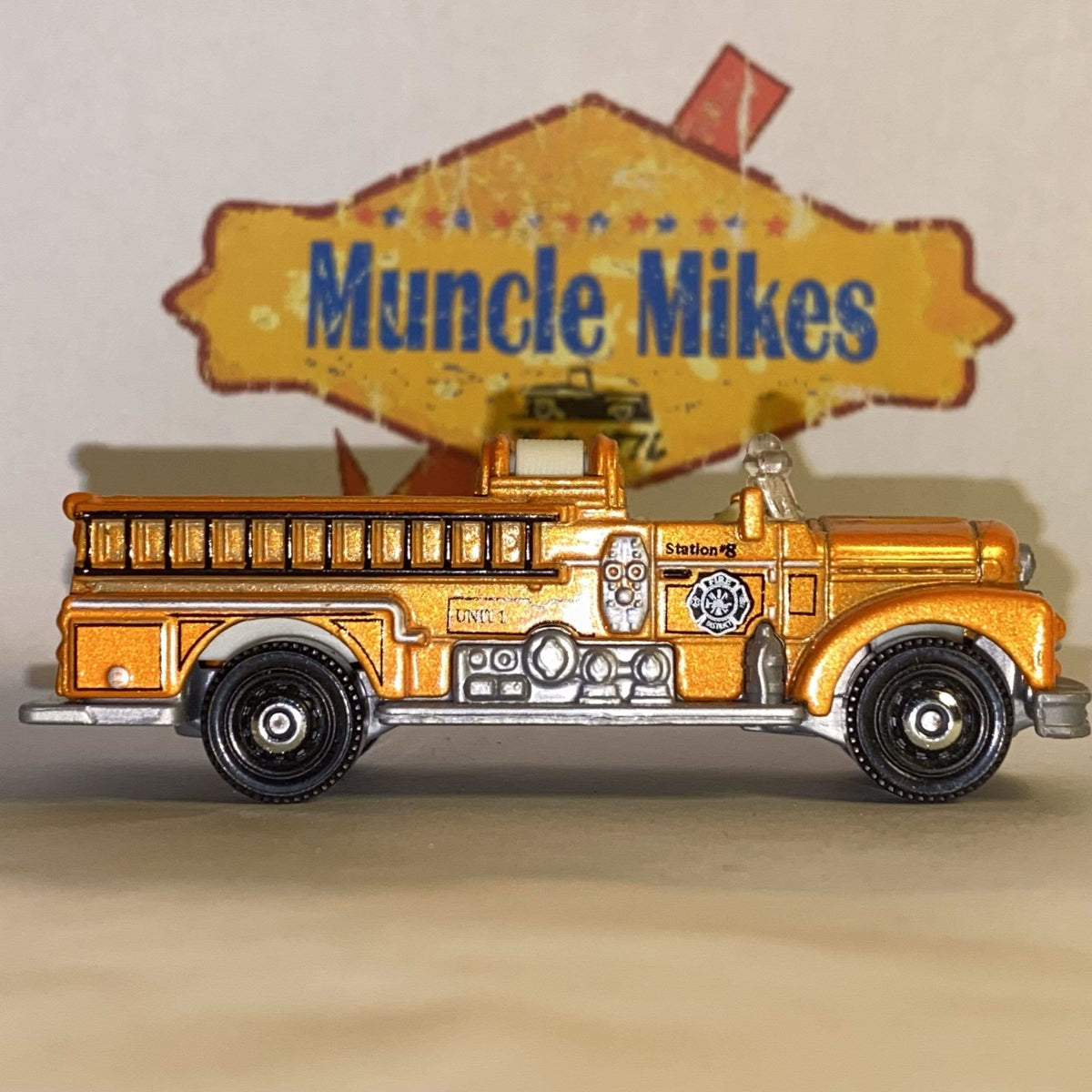
1952 Seagrave Fire Engine 2018 matchbox 72/125. FHH28. Loose is defined by the specific combination shown here: casting or component, finish, graphics, wheels, packaging, and any custom work. Those details matter more than a broad brand label.
A closer look
1952 Seagrave Fire Engine 2018 matchbox 72/125. FHH28. Loose, but in GREAT condition please see the pics! $8 Muncle Mikes Custom Hot Wheels, Custom Matchbox & Custom Johnny Lightning Cars This is an older car played with and is awesome!! GOOD FOR BUILDING! Please make sure and take a minute to join the newsletter and give a like on Facebook! If you don't see what you like, just ask odds are we have it or can get it.
The year 1952 is part of the represented subject. It should not automatically be treated as the miniature or product’s manufacturing year.
The Muncle Mikes SKU is MUNSEBM16395S. It is useful when nearby products have similar names.
Identify the release from the whole car
Casting, color, graphics, wheels, interior, windows, and base markings work together to identify a loose diecast release. A real vehicle year or a familiar paint color is not enough by itself when several versions share the same body.
Judge condition from the car shown
Look across roof and hood surfaces, paint edges, tampos, wheel faces, axles, glazing, interior, and base. Small chips and rubs often appear on exposed corners. Condition belongs to the photographed example and should not be borrowed from another car of the same casting.
Keep factory details and later changes separate
Replacement wheels, repainting, repairs, and custom parts can improve a personal build while changing its relevance to a collector seeking an original example. Any known modification should remain part of the car’s history.
Store loose cars without abrasion
Individual compartments or soft nonreactive dividers protect paint and wheels from rubbing neighboring models. Avoid moisture and long periods of direct sunlight. A quick photograph when the car enters the collection creates a useful condition baseline.
What collectors should look for
Compare the actual photos with the details that matter to you: paint edges, graphics, wheels, glazing, base, package condition, or disclosed custom work. Condition and originality belong to the item shown, not to another example of the same casting.
Small differences can identify a different release
Wheel style, tampo color, interior, windows, base color, and country or copyright markings can change while the casting name stays the same. Compare the whole car before treating another example as an exact match.
Set a condition baseline
Photograph the car when it enters the collection, including both sides, roof, front, rear, and base. That makes later wear, wheel changes, or repairs easier to document without relying on memory.
Study the exact product photographs


Keep the product record separate from later experience
The listing explains what the seller and manufacturer identify at the time of purchase. A later owner can add observed fit, assembly, operating or condition notes, but those observations should remain dated and separate from the original specification. This distinction prevents a successful custom change, a replacement part or normal wear from being mistaken for a factory feature.
For a repeat project, record the tools, materials and companion parts that were actually used. That turns the article into a practical reference without claiming that the same combination is guaranteed for every related product.
A careful first inspection
Begin with the exact reference MUNSEBM16395S and the current photographs for 1952 Seagrave Fire Engine 2018 matchbox 72/125. FHH28. Loose. Confirm the package or item, selected variant and visible components before discarding labels or separating small parts. Inspect high-risk areas such as thin trim, mirrors, fins, axles, couplers, clear pieces and electrical contacts when those features apply.
If the item will be modified, make one dated photograph of the starting condition. That image protects the product record and gives the builder a useful reference for reassembly, wheel alignment, paint placement or later troubleshooting.
Collector questions worth recording
What identifies this exact release?
The full title, product reference, finish, wheels, graphics, packaging and photographs should agree. A vehicle name alone is not enough.
Should package and model condition be combined?
No. Record card, box or blister condition separately from the visible condition of the model inside.
Does a series name guarantee rarity or value?
No. Identity, originality, condition, demand and genuinely comparable completed sales all matter, and market results can change.
How should the item be stored?
Support it without pressure on mirrors, wings, axles, blisters or painted surfaces, and keep it away from direct sunlight and large temperature swings.
View 1952 Seagrave Fire Engine 2018 matchbox 72/125. FHH28. Loose at Muncle Mikes
Keep the product record separate from later experience
The listing explains what the seller and manufacturer identify at the time of purchase. A later owner can add observed fit, assembly, operating or condition notes, but those observations should remain dated and separate from the original specification. This distinction prevents a successful custom change, a replacement part or normal wear from being mistaken for a factory feature.
For a repeat project, record the tools, materials and companion parts that were actually used. That turns the article into a practical reference without claiming that the same combination is guaranteed for every related product.

