

Matchbox: historia y coleccionismo
1968 Ford Mustang Custom Matchbox 1:64 Diecast Car: Custom Build & Buyer Guide
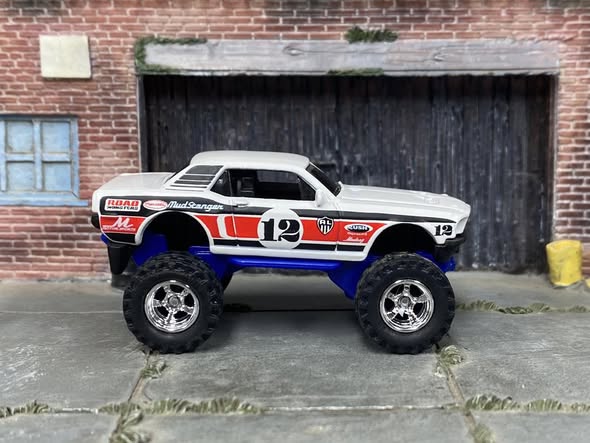
1968 Ford Mustang Custom Matchbox 1:64 Diecast Car deserves a closer look than its title alone can provide. Fit, finish, condition, and the way it will be displayed or used all affect the choice.
Where it fits in the hobby
1968 Ford Mustang Custom Matchbox 1:64 Diecast Car is the exact Muncle Mikes custom shown in this listing’s photographs. Use the complete gallery to review the body finish, graphics, wheel setup, stance, and visible condition before ordering. Collector details Original toy
The stated scale is 1:64, and the subject name includes 1968. That scale should match the surrounding model, layout, or collection.
The Muncle Mikes SKU is GTIN000005805. It is useful when nearby products have similar names.
This is custom work, not a factory variation
A finished custom begins with a donor casting and adds choices such as paint, graphics, wheels, tires, stance, interior work, or hardware. Those changes should be appreciated as the builder’s work rather than confused with an original manufacturer release.
Study the workmanship in the photos
Look at paint coverage, graphic alignment, wheel centering, tire seating, glazing, interior, base closure, and the way the car sits on a flat surface. Custom work is individual, so the photographed car matters more than a generic image of the donor casting.
Decide whether display or rolling performance matters most
A dramatic stance or deep-dish wheel can look excellent while creating less clearance than a track-focused build. When rolling performance matters, check wheel movement and tire rub on the finished car rather than assuming every custom is prepared the same way.
Handle the finish gently
Pick the car up by the base when practical, and protect mirrors, wings, paint edges, and exposed details. Keep the product photos with the collection record so the original custom work remains documented.
Understanding the custom work
Compare the actual photos with the details that matter to you: paint edges, graphics, wheels, glazing, base, package condition, or disclosed custom work. Condition and originality belong to the item shown, not to another example of the same casting.
Look for consistency across the whole build
Wheel stance, tire seating, paint edges, graphics, interior, glazing, and base closure should feel like parts of one design. A strong custom is not simply a list of upgrades; the choices support the shape and character of the donor casting.
Document the donor and the changes
Keep the original casting name and a short description of paint, wheels, graphics, or hardware with the model. That preserves the builder’s work without presenting the finished car as a factory variation.
Study the exact product photographs


Keep the product record separate from later experience
The listing explains what the seller and manufacturer identify at the time of purchase. A later owner can add observed fit, assembly, operating or condition notes, but those observations should remain dated and separate from the original specification. This distinction prevents a successful custom change, a replacement part or normal wear from being mistaken for a factory feature.
For a repeat project, record the tools, materials and companion parts that were actually used. That turns the article into a practical reference without claiming that the same combination is guaranteed for every related product.
What to verify when 1968 Ford Mustang Custom Matchbox 1:64 Diecast Car arrives
Keep the shipping carton, product packaging and order confirmation until the item has been inspected. Compare the title, visible finish, quantity, selected option and included pieces with the saved listing photographs. Check delicate edges, clear parts, printed markings, connectors and moving pieces before the product is used.
Photograph anything that differs before assembly, paint, installation or package removal. Once permanent work begins, it becomes harder to separate a delivery problem from a change made during the project. Store the instructions and unused accessories with 1968 Ford Mustang Custom Matchbox 1:64 Diecast Car so the product can be identified later without relying on memory.
Collector questions worth recording
What identifies this exact release?
The full title, product reference, finish, wheels, graphics, packaging and photographs should agree. A vehicle name alone is not enough.
Should package and model condition be combined?
No. Record card, box or blister condition separately from the visible condition of the model inside.
Does a series name guarantee rarity or value?
No. Identity, originality, condition, demand and genuinely comparable completed sales all matter, and market results can change.
How should the item be stored?
Support it without pressure on mirrors, wings, axles, blisters or painted surfaces, and keep it away from direct sunlight and large temperature swings.
For related projects, browse Custom Matchbox Cars for Sale · Muncle Mikes Originals.
View 1968 Ford Mustang Custom Matchbox 1:64 Diecast Car at Muncle Mikes
Keep the product record separate from later experience
The listing explains what the seller and manufacturer identify at the time of purchase. A later owner can add observed fit, assembly, operating or condition notes, but those observations should remain dated and separate from the original specification. This distinction prevents a successful custom change, a replacement part or normal wear from being mistaken for a factory feature.
For a repeat project, record the tools, materials and companion parts that were actually used. That turns the article into a practical reference without claiming that the same combination is guaranteed for every related product.

