

Matchbox: historia y coleccionismo
Matchbox Casting Revisions: Record Base Markings, Wheels & Body Changes
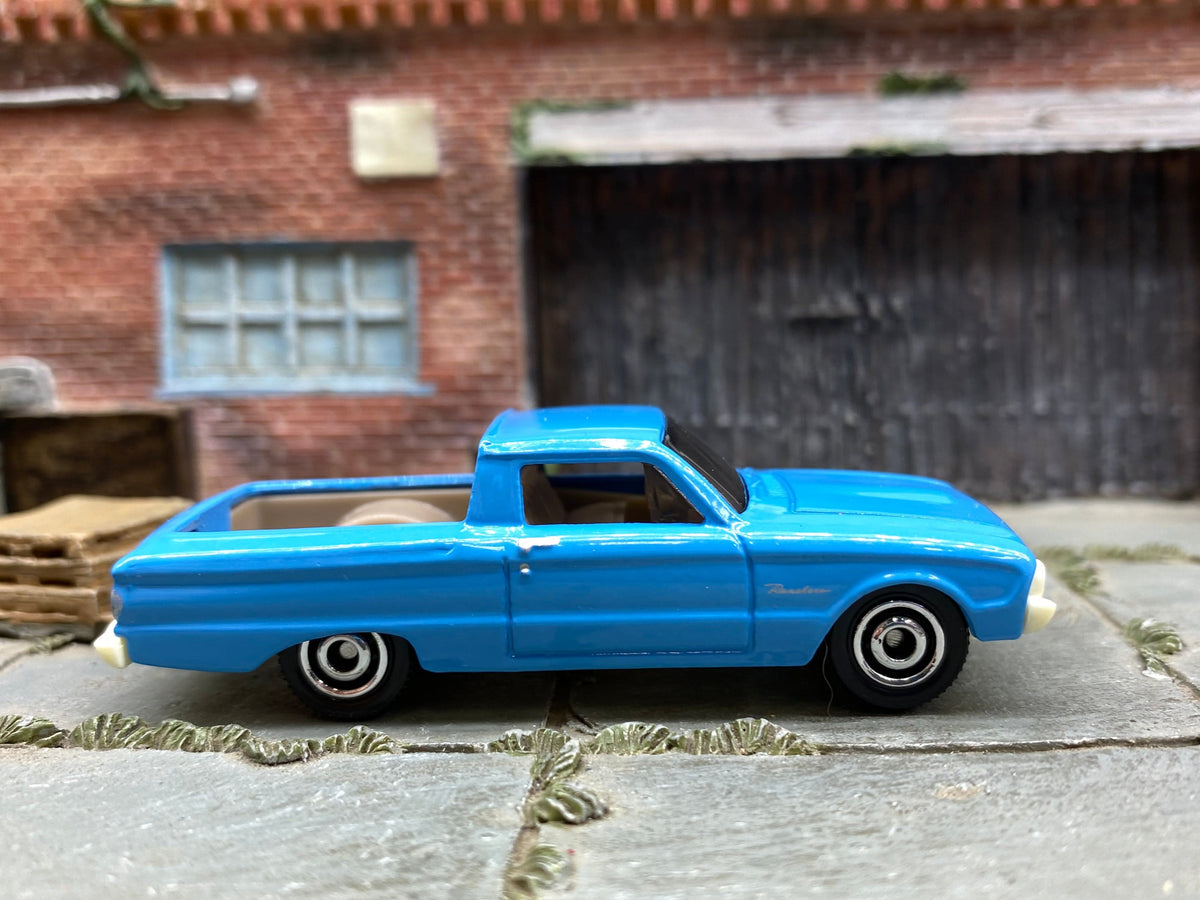
A useful casting-revision record explains exactly how two Matchbox examples differ. Begin with photographs and observations, then investigate the production history. Do not assign an era solely because a base appears metallic or plastic.
Give each example a stable identifier
Label your comparison A and B, or use existing inventory numbers. Record the actual casting names and source of each car. Keep the identifiers in photograph filenames so a later reorganization does not separate the evidence from the model.
Compare the same casting where possible. Two vehicles representing the same real car can still be separate toy designs rather than revisions of one tool.
Copy the base text without interpreting it first
Record country wording, maker marks, numbers and dates in separate fields. Photograph the full inscription rather than quoting only the part that supports an expected year.
A date within a copyright inscription is a different kind of information from a dated retail receipt. Identify what each record establishes before using it to describe the age of a particular example.
Make a body-and-components comparison
Record window openings, grille, bumper arrangement, wheel arches, tow fittings and moving panels. Then compare wheel design, width, axle-end appearance, glazing and interior color.
Use equivalent camera angles and lighting. A dark photograph can hide a seam, and reflections can make two finishes appear more different than they are. Keep measurements in the same units and state their precision.
Separate observation, interpretation and source
For each difference, write three short entries: what is visible, what you think it may indicate and the reference supporting that interpretation. For example, a wider wheel opening is an observation; its release date still needs evidence.
Mark an explanation as unresolved when the source does not establish it. Do not infer a factory cost-saving motive or a new safety rule from a component change alone.
Account for repairs and incomplete cars
Check known repainting, replacement wheels, missing accessories and repairs before calling a combination a factory variation. An incomplete model can still be useful in a collection, but it should be described accurately.
The No.26 GMC tipper chassis-and-cab listing expressly identifies its missing dump bed. That disclosure matters when comparing it with a complete example; an absent component is not automatically an undocumented factory version.
Keep packaging evidence separate
Record the box or card independently, including whether it is original, reproduced or of uncertain association. A supplied package can help research the model, but only a verified match supports a conclusion about that example.
For the historical transition between regular wheels and Superfast, use the Superfast guide. For a newly found car, start with the identification checklist.
Save a record that can be corrected
Keep earlier conclusions when adding new evidence, with dates and reasons for revisions. This creates a traceable collection history rather than overwriting uncertainty with the latest seller's claim.
Make a revision comparison reproducible
Lay A and B on the same plain surface and photograph each from above, the side and underneath. Include a scale beside the car without covering the base. If the examples have different damage, identify which comparison remains possible: a missing bumper prevents a fair bumper-shape comparison but need not hide a readable maker mark.
Use a separate line for each component rather than a single verdict such as older version. Record the body opening, glazing, interior, base and wheels independently. If you later discover a replacement axle, revise that component’s originality field without discarding observations about the surviving body. A useful record stays correct even when its historical interpretation changes.
Photographs for the comparison


