
Hot Wheels
Cheap Hot Wheels for Customizing: What to Buy and What to Avoid
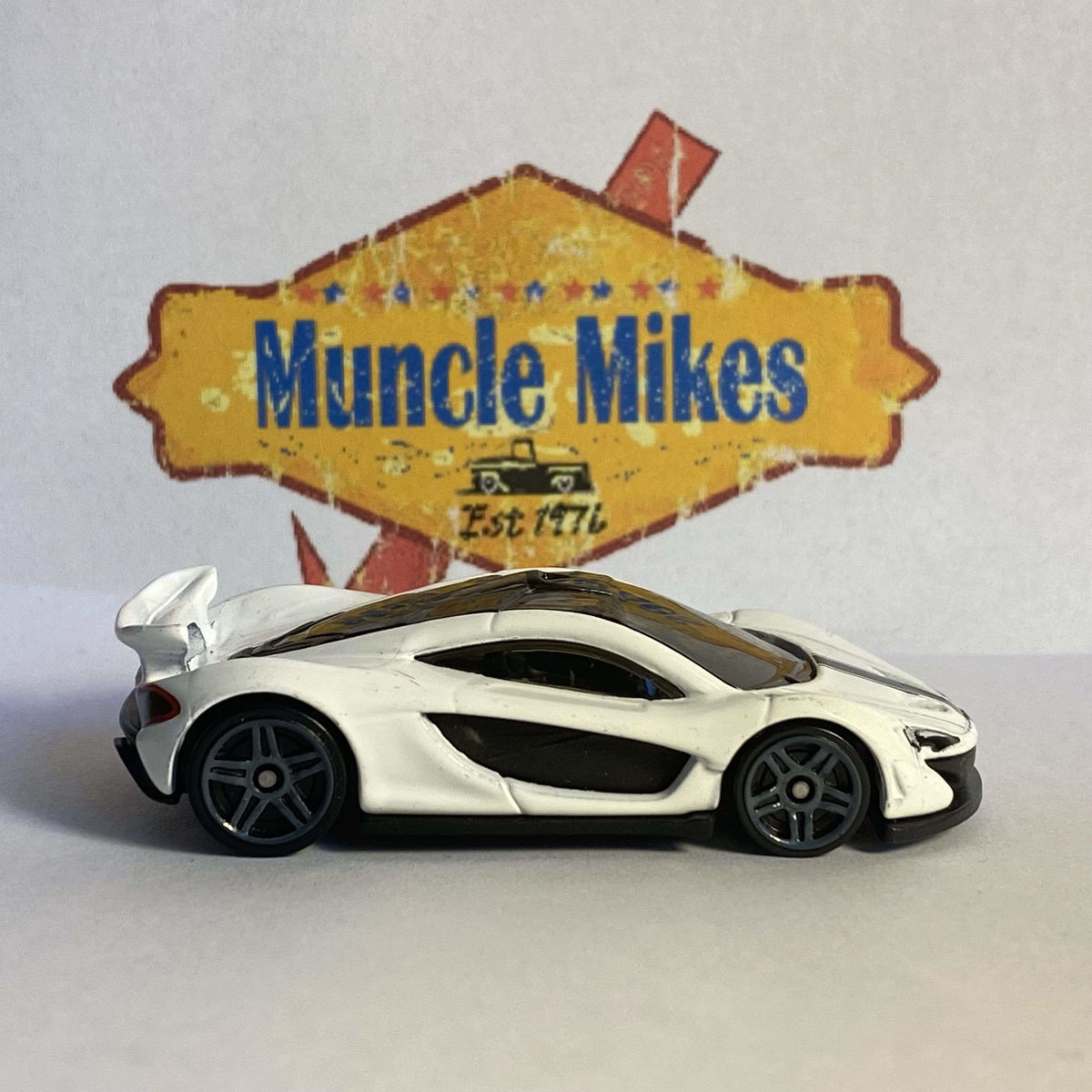
Featured example: Hot Wheels 170/365 White McLaren P1 HW Exotics 4/10.
A cheap donor is useful only when it fits the project. The lowest-priced car is not automatically the best starting point if the wheel openings are wrong, the body is difficult to work with or you are paying for a casting you do not even want to finish.
Buy inexpensive donors with a plan
Choose the intended wheels, stance or paint direction before filling a cart with cheap cars.
Cosmetic flaws can be an advantage
Worn wheels or paint can be acceptable when those are the parts you plan to replace.
Avoid spending collector money on a first practice build
If a rare or especially desirable original car can be preserved, learn the technique on a replaceable donor first.
Check wheel fit before buying parts
A cheap car becomes an expensive lesson when several wheel sets are purchased that do not fit.
Shop relevant Muncle Mikes options
Inventory changes. The linked product or collection page is the current source of truth for availability, contents and price.
Frequently asked questions
What makes a good cheap Hot Wheels donor?
A casting you like, with body and wheel geometry that support the planned modification.
Does donor condition matter?
Only for the parts you plan to keep.
Should I customize rare Hot Wheels?
For a first project, a common replaceable donor is usually the safer learning choice.
Use inexpensive loose cars as practice donors
Current low-cost examples such as the McLaren P1, 1932 Ford Model A and 1942 Willys MB Jeep are listed at $3.49 before shipping and tax at the time of review. That makes them practical candidates for learning basic disassembly or wheel-fitment skills if the casting matches the project.
Before modifying anything older or unusual, use the used and loose buying checklist.
