

Guías de Trenes en Miniatura
DCC CVs Explained: Addresses, Acceleration and Speed Control
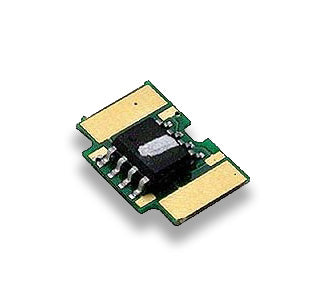
A configuration variable, or CV, is a stored decoder setting. CVs can control addresses, momentum, speed behavior, lighting and many manufacturer-specific functions. The number identifies the storage location; the value tells the decoder how that feature should behave.
Do not copy a value from another locomotive without checking the decoder manual. The NMRA defines standard locations and packet behavior, but manufacturers can implement optional features differently and can use additional indexed pages.
Start with identity and a record
Confirm the decoder model, locomotive and command station. Read the current values when the equipment supports it and write them down before making a change. That record provides a route back if the result is not useful.
Short addresses commonly use a basic address CV, while long addresses use a coordinated set of values and a configuration bit. Let the command station’s address programming workflow calculate those values unless the decoder manual directs manual entry.
Momentum changes how commands feel
Acceleration and deceleration settings delay how quickly the locomotive responds to a new speed command. A small amount can make starts and stops look less abrupt. Too much can make switching frustrating or allow a train to travel farther than expected after the throttle is closed.
NMRA packet specifications identify acceleration and deceleration adjustment functions and the configuration-variable standards define the underlying locations. Decoder manuals remain the source for the usable range and interpretation on a specific model.
Tune speed in a controlled order
First make sure the locomotive runs cleanly on sound track with correct wheel and pickup contact. Programming cannot repair a mechanical bind or dirty rail. Then change one variable, test in both directions and note the result.
Basic three-point speed control and full speed tables are different approaches. Use the simpler method unless the decoder and operating goal justify a detailed curve. Matching locomotives for a consist requires testing under the same load and conditions.
- Record decoder identity and original values.
- Program on the correct track or mode.
- Change one setting at a time.
- Test forward and reverse.
- Keep reset instructions available.
Common CV tasks
| Choice | Best when | Watch for |
|---|---|---|
| Addressing | Give each decoder a unique control identity. | Long addressing may involve several CVs and a configuration bit. |
| Acceleration/deceleration | Add momentum to starts and stops. | High values can hinder switching. |
| Speed shaping | Adjust low, mid and top response. | Mechanical problems must be fixed first. |
Plan the next step
Create a one-page locomotive record with decoder model, address, original CV values and each tested change. Stop when the behavior meets the operating job rather than changing every available setting.
Keep exploring this topic
Questions builders and collectors ask
Are CV numbers identical on every decoder?
Core standards define many common locations, but optional and manufacturer-specific features vary.
Can I program on the main line?
Many systems support operations-mode programming, but capabilities and readback differ. Follow the command-station and decoder manuals.
Why did the locomotive stop responding after an address change?
The command station may still be using the old address, or the long-address configuration may not be enabled correctly.
Should I reset the decoder first?
Only when troubleshooting warrants it and you have the correct manufacturer reset instructions. A reset erases useful settings.
Return to Model Train Guides for more Muncle Mikes guides.

