

Hot Wheels How To
Fake, Repainted or Custom Hot Wheels? An Identification Checklist
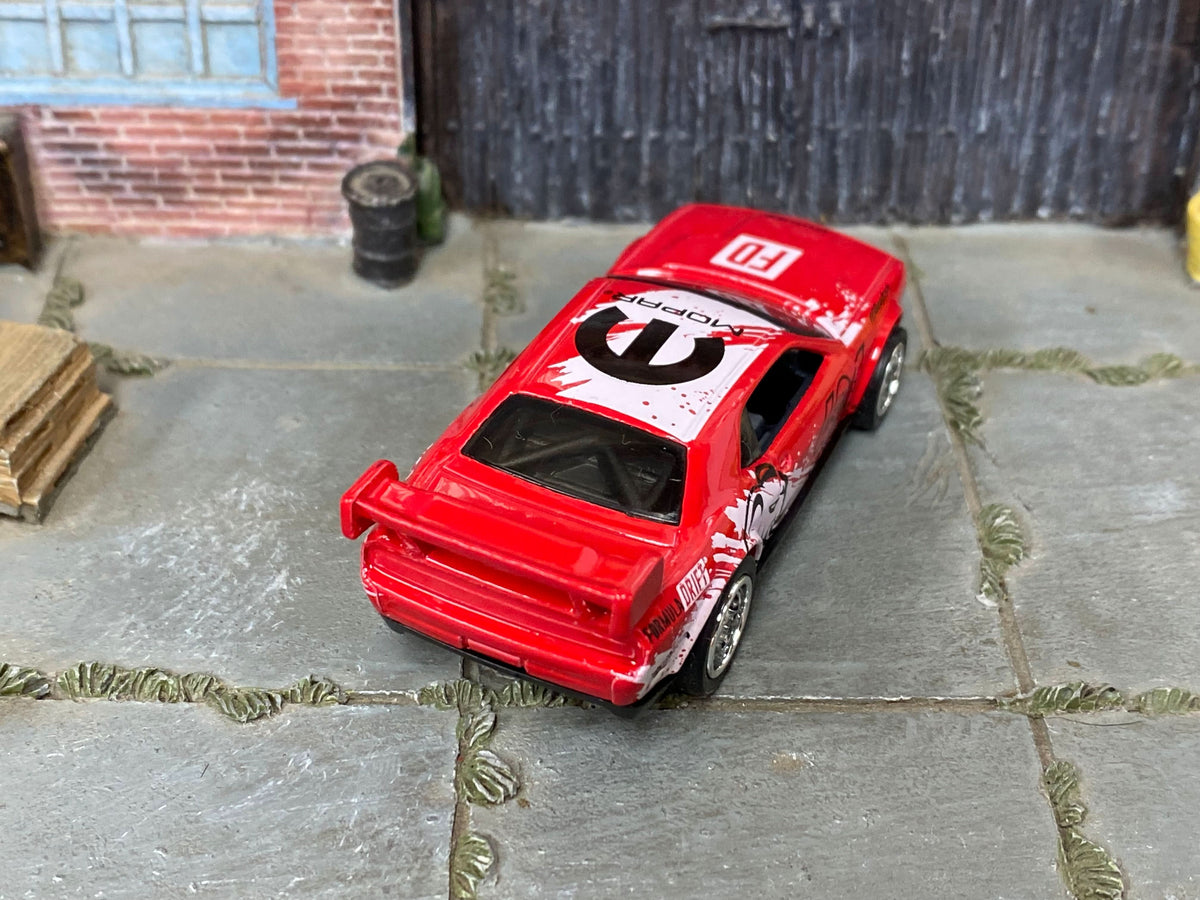
A custom Hot Wheels is not automatically a fake. A clearly disclosed repaint or wheel swap is a different offer from a car represented as an untouched factory release. The first question is what the seller claims; the next is whether the evidence supports it.
Use several observations together. A paint texture, unusual wheel or imperfect blister is a reason to investigate, not an instant diagnosis of counterfeiting.
Use the right description
| Description | What you need to establish |
|---|---|
| Factory release | The model and configuration match the identified release, with condition and any changes disclosed. |
| Custom | Aftermarket changes are part of the offer and described accurately. |
| Restored or repainted | Recreated finish or replaced components are identified rather than passed off as surviving original material. |
| Misidentified | The title or claimed version does not match the supported identification; intent may be unknown. |
Reserve accusations of deliberate fraud for evidence of misrepresentation, not simply a disagreement over a casting name. Ask a specific factual question before deciding how to proceed.
Identify the claimed release first
Record the casting, year or series claimed, body color, graphics, wheels, interior, glazing and package type. Compare with a reliable reference for that exact version rather than a similar model from another year.
Separate the real vehicle's modeled year, the base's copyright marking and the toy's retail release. A mismatch between those three dates is not automatically evidence of a fake.
Inspect changes without damaging the car
Request clear photographs of both sides, the top and the complete underside. Compare paint boundaries, graphic placement, attachment points and wheel configuration. Ask whether the car has been opened, repaired, repainted or fitted with replacement parts.
Altered fasteners can support a history of opening, but do not by themselves reveal why the car was opened. A polished-looking part or a rough paint spot is similarly incomplete evidence. Do not scratch, dissolve or remove finish as a casual authentication test.
The repaint inspection guide focuses on finish observations; the buying checklist focuses on the seller's evidence and purchase process.
Wheels are one part of the identification
Replacement wheels can be genuine manufacturer parts or aftermarket components. Mattel's separate Real Riders wheel packs demonstrate why a wheel's appearance alone cannot establish the originality of the whole car.
A modern Super Treasure Hunt may appear on an ordinary-style mainline card. Do not label a car fake solely because rubber tires and that card format appear together. Use the year-aware Treasure Hunt guide for the complete combination.
Assess the package independently
Compare card identifiers, artwork and the car inside. Request close-ups of any lifted, torn or repaired areas. Record cloudiness or damage as observations rather than declaring a particular resealing method from one photograph.
An original package can contain an altered car, and a genuine loose car can be placed in replacement packaging. Ask what is original and what is supplied separately, including protectors and presentation cases.
A disclosed custom example
The 426 Challenger Drift Car pictured here is offered as a Muncle Mikes custom with chrome mag wheels and rubber tires. The image is not an accusation of counterfeiting; it illustrates a product whose aftermarket identity is part of the listing.
Choose a finished custom for the build you enjoy, or an original collectible for its documented factory configuration. When evidence remains incomplete, keep the identification provisional and avoid paying a premium that depends on an unverified claim.
Compare factory, later-release and custom clues

Factory reference
HW Warp Speeder Treasure Hunt
A documented factory-carded release supplies a comparison point for its own casting, graphics, wheels and package—not a universal authenticity template.

Disclosed repaint
Yellow BADMAN Gasser
A repaint is legitimate custom work when described honestly and not sold as original paint.

Wheel-swapped custom
Mazda REPU custom
Replacement wheels are another modification clue, but they do not by themselves prove the body was repainted.
Record what is known, disclosed and still uncertain
| Label | Use it when |
|---|---|
| Factory configuration supported | The exact release reference agrees with the visible paint, wheels, base and package. |
| Disclosed custom or restoration | The seller identifies later paint, wheels, graphics, repairs or mixed components. |
| Parts mismatch or unresolved | Evidence conflicts or the photographs cannot establish what changed. |
Do not use “fake” as a substitute for “I cannot identify this release.” Describe the conflicting evidence and request better photographs before making a stronger claim.
Name the disagreement before calling the car fake
When a listing does not match a reference, write the exact conflict: a different wheel design, unknown release, changed paint, mismatched card or missing view. That is more actionable than a blanket label. Ask whether the observation reflects a documented alternate release, disclosed later work or an inaccurate description.
| Evidence situation | Useful record | Next action |
|---|---|---|
| Correct casting, disclosed new wheels | Casting identified; aftermarket wheels | Evaluate it as the disclosed custom |
| Color differs but release is unknown | Observed color; release unresolved | Find a release-specific comparison |
| Card and car identifiers disagree | Record both identifiers separately | Request package and vehicle details |
| Fastener appears altered | Possible opening; purpose unknown | Ask about repairs, repainting and reassembly |
The finished Challenger and BADMAN gasser in this article are examples of disclosed custom work, not suspect factory claims. A buyer can deliberately prefer a custom while still requiring accurate contents and condition. Keep your photographs and the seller’s explanation beside the physical-copy record; do not let an uncertain feature become a confirmed factory variation or an accusation of deliberate fraud. If the transaction description is the issue, use the listing and seller checklist.

