

Hot Wheels How To
How to Restore Old Hot Wheels: Preserve, Repair or Rebuild?
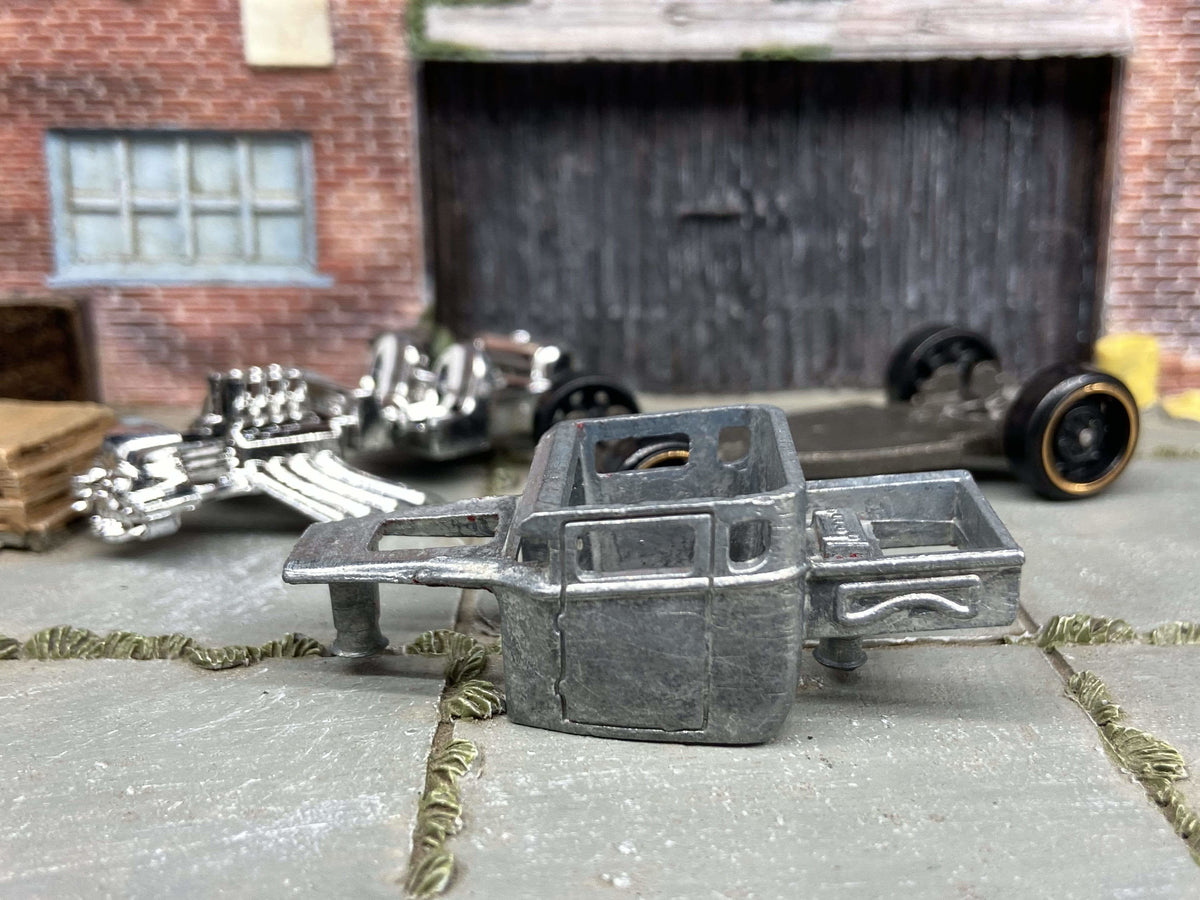
A chipped Hot Wheels car, a missing wheel and a cracked body call for different decisions. Keep sound original paint and parts when those are what you want to collect. Consider a limited repair for a specific fault. Choose a rebuild when you deliberately want new paint or replacement components and accept the changes that make it possible.
Before starting, decide what matters most about this particular car: its surviving factory finish, its childhood wear, its ability to roll or the display model you want to create. A fresh finish can satisfy the last goal without preserving the first.
Preserve, repair or rebuild?
| Your aim | Work that serves it | What changes |
|---|---|---|
| Keep the surviving original | Protect sound paint and parts; remove only loose dust when the surface is stable. | Existing wear remains part of the car. |
| Correct one specific fault | Identify the damaged component and check a suitable repair or replacement before opening the car. | A new part or altered fastening must be disclosed; the rest need not be repainted. |
| Create a fresh display model | Plan disassembly, replacement parts, a new finish and reassembly as one project. | Repainting and replacement components do not become factory-original material. |
Restoration aims to recover a known or intended appearance, often by adding material. A custom can take a different color or design altogether. Neither description tells you which original parts survive, so keep the actual changes clear rather than calling every improved-looking car “original.”
Inspect the car before committing to a project
Photograph the body, base, wheels, windows and existing damage before cleaning or opening anything. Read the base markings and compare the car with reliable information for that release when originality matters. A familiar casting name does not settle every wheel, interior or finish variation.
Support the main body on a clean tray. Look for loose paint, cracks, damaged roof pillars, missing pieces and earlier glue repairs. Move a wheel or opening panel only if it moves freely; resistance is a reason to inspect, not to pull harder. Flaking surfaces, crumbling plastic or loose corrosion deposits need assessment before home repair. Do not brush them away just to get to the next step.
For a stable dusty car, begin with the least intervention: a clean, very soft dry brush on a small sound area, stopping if color or fragments come away. Avoid soaking the assembled model, forcing moisture into its base or testing household solvents on unknown materials. A small successful test cannot establish that every painted, printed or plastic surface will tolerate the same treatment. The old Hot Wheels and Matchbox care guide covers that assessment in more detail.

Look at the Cadillac ambulance’s actual-item photos to see why condition needs several views. Cleaning would not replace its missing paint, and repainting would change the finish that remains.
Keep a limited repair limited
If the car does not roll, first look for where the wheel touches the body or base and for visible debris around the axle. Compare the two sides without forcing either one. That observation helps you locate the problem; it does not establish that the axle is bent or that a new wheel will solve it.
Before buying a replacement, match the body and base version and compare complete tire diameter, tire width, axle length and the space between the inner wheel faces. A similar-looking wheel can still sit too far out or rub inside the arch. The replacement-wheel guide separates original-style repair from a deliberate custom wheel change.
Find out how the component is retained before opening the car. Removing a rivet head changes the factory fastening, even if the body is later reassembled neatly. If retaining those fixings is part of your collecting goal, a display-only result may be preferable to the repair. Keep removed parts labeled with the car and note which replacements you fit.
Paint chips alone do not require a complete teardown. A touch-up adds new paint to the affected area; it does not restore the missing factory coating. Likewise, do not scrape away an old glue joint until you understand what it holds and which surrounding surfaces could be lost with it.
Plan a rebuild in an order that avoids rework
Use a sound donor you have chosen to modify. If the body is cracked or its materials are deteriorating, establish whether repair is realistic before buying paint. For a sentimental or potentially significant old toy, an objects conservator can assess the material problem without assuming that a cosmetic rebuild is the answer.
- Plan access and reassembly together. Identify how the body, base, glazing and interior are retained. Choose a method suitable for that construction before dismantling it; do not open the car first and hope to solve the fastening later.
- Check the parts fit before finishing. On a safely disassembled project, assemble the intended parts without final adhesive. Check that the base seats, windows and interior locate correctly, and wheels have clearance with the body in place.
- Separate the finish work from retained parts. Keep windows, interiors and wheels away from the body’s preparation and coating process. Use products intended for the actual substrate and follow the coating maker’s preparation instructions. Old paint and unknown plastic are not a suitable test surface.
- Let the finish cure before assembly. Follow the chosen products’ drying, recoating and curing instructions. Heavy coats or incorrect intervals can produce wrinkles or cracks; a surface that feels dry is not a universal signal to clamp, glue or handle it.
- Reassemble and check the whole model. Follow the selected fastening or adhesive instructions, keep moving parts free, and check the seated body and wheel clearance again. Stop if a part needs force or the finish marks during handling.
If the work calls for cutting, drilling, sanding or sharp axles, an adult should secure the workpiece, follow tool and material instructions, and use appropriate eye and respiratory protection. Follow the coating label’s ventilation requirements. These precautions do not make an unsuitable treatment safe for an original collectible.
Prepared projects when you want a new finish
A separate bare-metal project lets you keep the old car intact while learning paint and assembly. These two Hot Wheels kits are stripped and prepared for painting. Both use a click-together design; model glue can provide extra hold. Custom wheels are sold separately. Interior, window and original wheel colors can vary. They are project alternatives, not replacement bodies or parts for the vintage ambulance.

Bone Shaker Rat Rod Pickup DIY kit
The stripped pickup is ready for painting, detailing and reassembly. Its listed factory wheel reference is 10 mm at the front and 12 mm at the rear; use that as a starting reference, then check the complete replacement assembly.

1970 Chevelle SS Race Car DIY kit
This prepared race-car body offers a different shape for a new finish. Its listed factory wheel reference is 10 mm at both ends. That measurement alone does not establish tire width, axle fit or clearance.
For other body styles, browse the prepared DIY Hot Wheels kits. The first prepared-kit build guide explains the workflow once you choose a donor. If your goal is a completed display model without taking on the build, compare finished custom Hot Wheels instead.
Keep the result and its history together
Keep the before photos, removed components and a short description of the work with the car. “Original paint, replacement rear wheels” says more than “restored”; if the history was uncertain when you bought it, keep that uncertainty in the description. Save the seller’s photos and description where they help explain the starting condition.
After any finish or adhesive has cured as directed, store the model in a stable, dry place away from direct sunlight and high heat. A case can reduce dust and handling, but do not assume it blocks all damaging light. Support the car without pressure on fragile details and check for changes rather than automatically repeating a treatment.
Questions about restoring old Hot Wheels
Does restoration automatically increase a car’s value?
No increase is guaranteed. A repainted model and an unrestored example are different collecting choices. If value is driving the decision, identify the exact release and have its condition assessed before removing material; a model name or a newly shiny finish is not an appraisal.
Can I still describe a touched-up car as having original paint?
Be specific: say which areas retain the original finish and where touch-ups were added. New paint remains a change even when its color matches closely.
Will polishing remove the damage from an old body?
Polishing removes surface material. It cannot replace missing paint or repair a structural crack, and it can harm thin original finishes. Treat intentional bare-metal finishing as a separate project from preserving an old painted car.
Can I stop after one repair?
Yes. A carefully chosen wheel or component replacement does not commit you to repainting the body. Stop when the agreed goal is met and describe the remaining wear honestly.
For identification and collecting decisions, return to the Hot Wheels and Matchbox collector guides. For the next practical build skill, use the Hobby Learning Center.

