

Best Of
Best Le Mans Diecast Cars for Racing Collectors
Bburago Ferrari 499P in 1:18 scale, shown as a model example; the photograph does not establish dimensions for other scales.
Le Mans models become much more meaningful when they are tied to a specific year, team and car number. Endurance-racing collectors should shop historical identity first and color second.

Race year is the first filter
The same manufacturer can have very different cars and liveries across decades.
Car number helps identify the exact entry
Do not assume two similarly painted race cars represent the same vehicle.
Mix eras deliberately
GT40s, Group C cars, modern prototypes and GT cars can form a timeline if labeled or grouped clearly.

Spark and other specialist brands can fill gaps
Different manufacturers may be necessary to cover a broad Le Mans history.
What should I check on a Le Mans model?
Year, team, car number, driver context, scale and livery.
Can I build a winner-only collection?
Yes; race winners create a clear collecting rule.
Do I need one brand?
No. Endurance-racing coverage often requires multiple model makers.
Current Le Mans models cover tribute cars, winners and modern one-offs
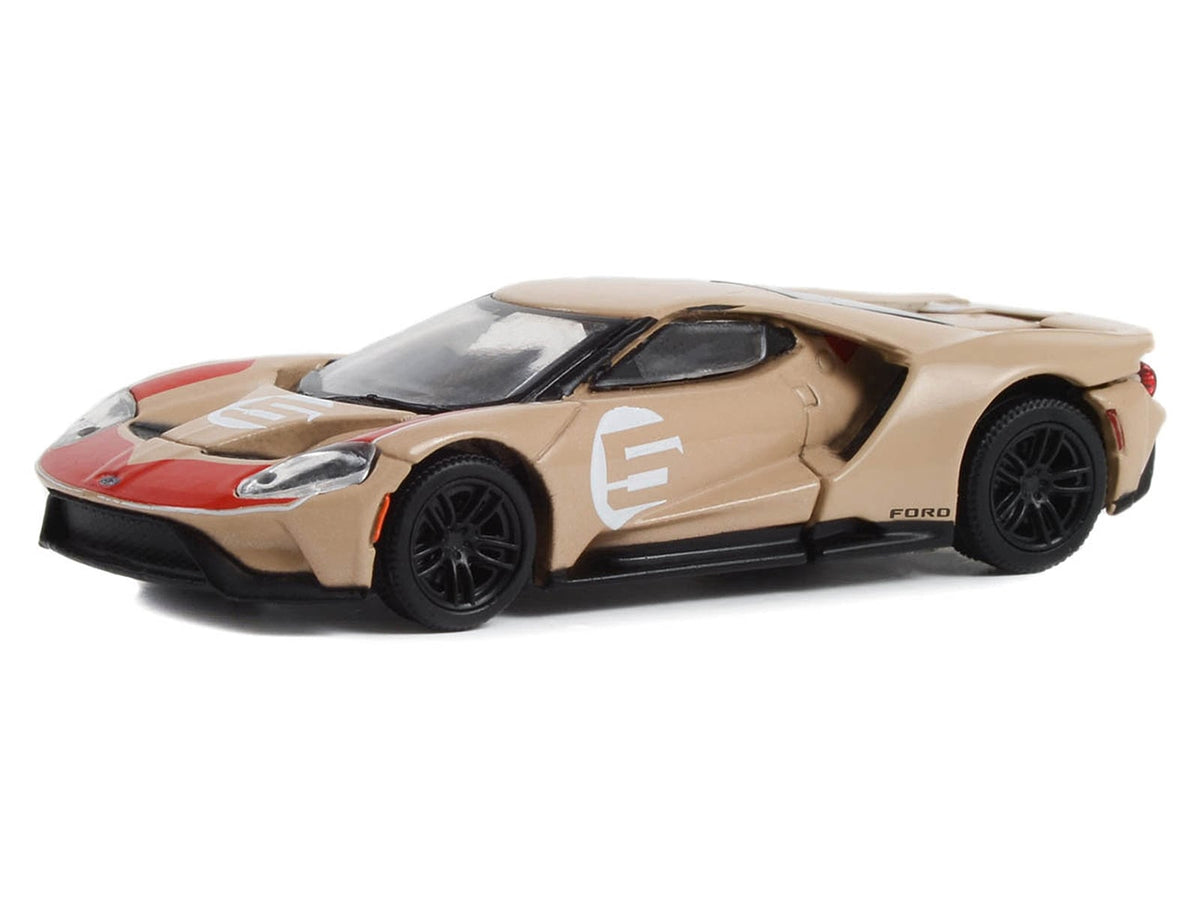
The GreenLight Ford GT Heritage Edition in 1:64 connects directly to Ford's 1966 Le Mans story. The Bburago Ferrari 499P #51 in 1:18 represents the 2023 winner, while the Garage 56 Camaro ZL1 in 1:18 represents one of the race's unusual modern entries.
Race year and car number should be part of the product title you shop for. That prevents a general “Le Mans” shelf from losing the historical context that makes the models interesting.
Use race history as the organizing rule
Once you choose a year or winning manufacturer, compare the Ford GT/GT40 guide, Porsche guide and Ferrari guide to build the endurance-racing shelf deliberately.
Make the final choice from the exact listing
Use the article’s comparison points to narrow the category, then verify the exact subject, scale, finish, condition and included components on the current product page. Product names can look similar even when packaging, accessories or dimensions differ. Save the manufacturer item number when available so you can compare the same release rather than two adjacent versions.
Plan where the model will be displayed and how it connects to the rest of the collection before ordering. The collector guides hub provides related scale, identification and display guidance.

