

Best Of
Which Diecast Scale Makes the Best Gift?
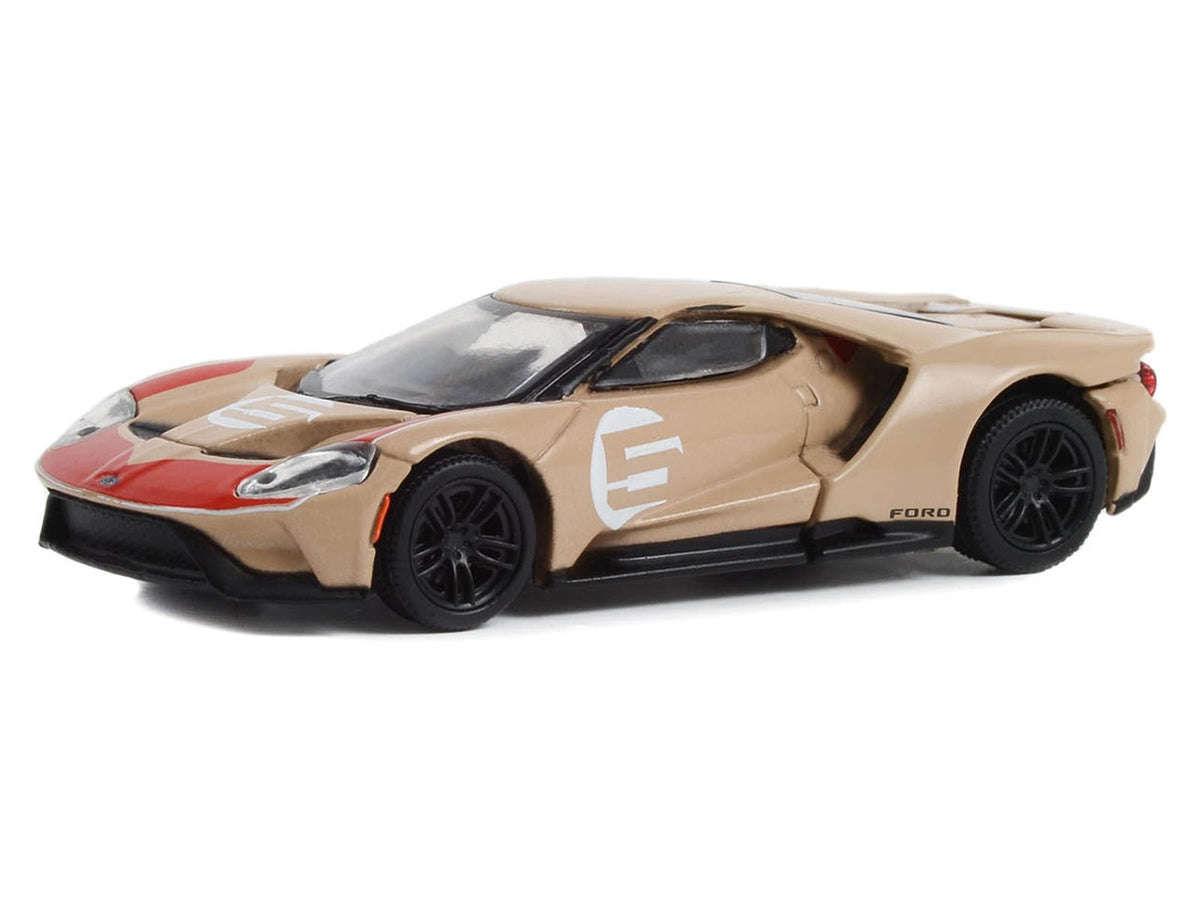
Featured example: Gold-and-red 2022 Ford GT Heritage Edition model by GreenLight, 1:64 scale.
The best diecast gift is usually the recipient's favorite vehicle in the scale they already collect. When you do not know their scale, display space becomes the safest deciding factor.

For an established collector, match the existing scale
A 1:18 model may be impressive, but it can be awkward if the recipient only displays 1:64.
For a casual car fan, choose the vehicle first
A recognizable car they love often matters more than scale.
For small spaces, lean toward 1:64 or 1:43
Compact models are easier to place on a desk or shelf.

For a centerpiece gift, consider 1:24 or 1:18
Larger models create more visual impact when you know the recipient has room.
What scale is safest when I am not sure?
1:64 or 1:43 are easier to fit in most spaces, but vehicle choice still matters.
Should I buy the biggest model I can afford?
Not necessarily. Match the recipient's space and collecting style.
Is packaging important for a gift?
For some collectors yes, so check whether they prefer boxed or loose display models.
Use the recipient's space to choose the scale
For a compact gift, a 1:64 model such as the GreenLight Ford GT Heritage Edition is easy to place. A larger gift such as the Maisto 2017 Camaro ZL1 in 1:24 has more visual presence, while a 1:18 model like the AUTOart Porsche 911 Carrera 2.7 RS is better treated as a centerpiece purchase.
If you do not know the recipient's shelf space, smaller scales are usually the safer gift format.
Measure the display before choosing
Nominal scale is a ratio, not a promise that every model will occupy the same footprint. A long sedan, truck or aircraft remains longer than a compact subject at the same scale, and stands, mirrors or open panels can add usable width and height. Measure the shelf or case, then compare the exact dimensions and photographed configuration on the product page.
Also decide which details matter at normal viewing distance. Larger scales can support more visible interior and opening-part detail, while smaller scales make it easier to build a broad collection in limited space. Use the collector guides hub to compare scales and display approaches before committing to one format.

