

Hot Wheels How To
Hot Wheels Wheel Swap Tips: Sizes, Axles & Troubleshooting
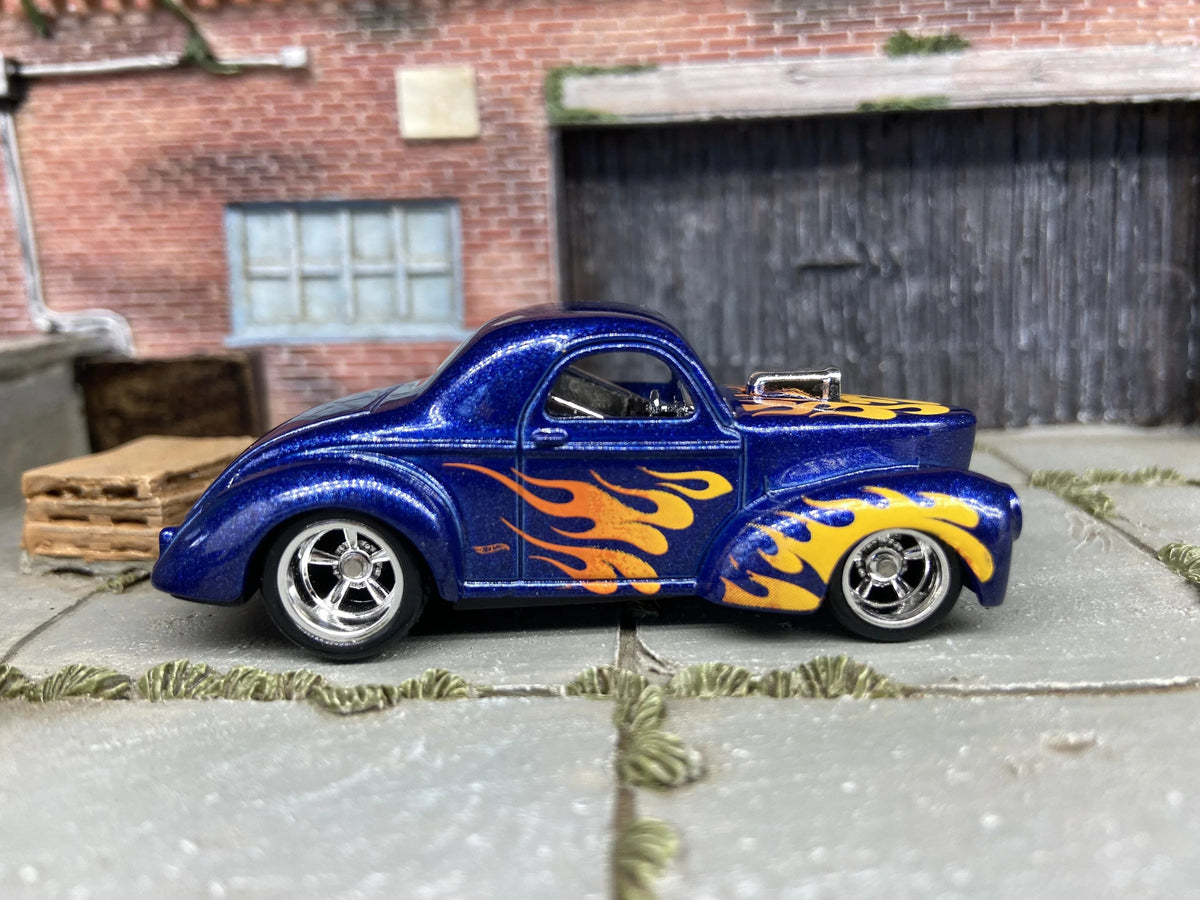
A good wheel swap looks right and rolls cleanly.
The most useful Hot Wheels wheel-swap tip is to test the complete assembly before committing to a finish or fastening method. Choose the tire profile you like, but check the space it has to rotate—not just how the wheel looks beside the body.
This guide focuses on sizing and troubleshooting. You will find a measurement checklist, a problem-to-check table, and buying advice that separates a full wheel set from tire-only parts.
Dimensions are donor-specific. No universal axle length or guaranteed speed improvement is claimed.
The original Muncle Mikes wheel-swap tips video
Watch on YouTube. The written checks supplement the original demonstration; compare the specific construction of your donor.
Five measurements to check before buying wheels
- Complete tire diameter. Compare the outer diameter with the original assembly. Confirm whether a seller's size refers to the wheel, the tire, or both.
- Tire width. Measure sidewall to sidewall. A wider replacement can contact the body or chassis even when its diameter looks correct.
- Inner wheel spacing. Check the available width across the base and the distance between the inner wheel faces. The wheel needs room beside the chassis as well as beneath the fender.
- Axle and hub compatibility. Confirm the axle diameter, usable length and retention method. Do not force a hub onto an axle merely because the set is sold for 1:64 cars.
- Assembled clearance. Seat the body, interior and base as they will be used. Test both axles in this position; an open-body test can miss contact introduced by reassembly.
Record the front and rear measurements separately. A staggered set uses different sizes at the two ends; a matching-size set does not. Neither arrangement is inherently better—use the one the casting and your intended stance can accommodate.
Study a real Muncle Mikes gasser build

Compare how the rear tires fill the arches and how the front wheels sit beside the chassis. Before copying a stance, measure your own donor’s assembled clearances and check each wheel through a full rotation. A side photograph does not establish axle length, tire width or which replacement pack will fit.
For a finished car, use the linked build’s actual listing. For a workshop project, choose a prepared DIY donor and compare wheel and tire sets after measuring.
Keep a front-and-rear fitment record
Measure with the body, interior and base in their intended positions. Keep a side photograph and an underside photograph beside these notes so you can repeat the setup.
| Record for each axle | Front | Rear |
|---|---|---|
| Complete tire outside diameter, in mm | Your measurement | Your measurement |
| Tire width and inner-hub projection, in mm | Your measurement | Your measurement |
| Axle diameter and usable length, in mm | Your measurement | Your measurement |
| Distance between inner wheel faces, in mm | Your measurement | Your measurement |
| Retention method and contact point, if rubbing | Your observation | Your observation |
First spin the wheels with the body open, then repeat with the car assembled. If rubbing appears only after closing the base, inspect the interior seating, axle channel and inner wheel faces. Change one part or alignment at a time and repeat the same test.
Compare real wheel-swap parts before choosing a size
The same casting can look very different with matching-size wheels, larger wheels, or a tire-only change. These current MM examples show why the product type matters as much as the style.

10 mm / 10 mm
Red 5-star wheel set
A same-size front/rear set for builds where 10 mm clearance works at both ends.

12 mm / 12 mm
Black & red 12 mm wheels
A larger-diameter option that needs more wheel-well and chassis clearance.

Tire-only
Goodyear Eagle rear tires
Two rear tires with no wheels—useful only when you already have compatible rims.

Full build
Nova Gasser DIY kit
When the project includes paint and assembly too, choose the donor before shopping the wheel setup.
Why your Hot Wheels wheel swap rubs, wobbles or won't roll
| Symptom | Check first | Before altering the car |
|---|---|---|
| Wheel stops at one position | Uneven tire seating, a damaged wheel, or a bent axle. | Inspect the rotating assembly from the side. Reseat a removable tire only when its design permits it. |
| Tire rubs the wheel arch | Outside diameter, tire width and body position. | Compare a smaller or narrower combination rather than immediately removing body material. |
| Wheel spins until the base closes | Pinched axle channel, misplaced interior, or inner hub contact. | Reopen using the donor's intended method and check alignment. Do not force the base shut. |
| Wheel wobbles or slips off | Hub fit, axle straightness and the retention system. | Use compatible parts. Glue around a loose moving hub is not a substitute for secure mechanical fit. |
| One wheel does not touch the surface | Mixed tire diameters, bent axles, or a base not seated squarely. | Check on a level surface and compare both sides before changing ride height. |
| Car drifts or rolls poorly | Rubbing, alignment, tire seating and the test surface. | Correct one variable at a time, then repeat the same gentle roll test. |
These are diagnostic checks, not a claim that every symptom has one cause. Resist making several changes at once: you will lose the ability to tell which change helped. Keep notes and photos as you work.
Complete wheel set or replacement tires?
Our gold five-spoke staggered set specifies two 10 mm wheels with rubber tires and two 12 mm wheels with rubber tires. It is an example of a coordinated four-wheel purchase, not a promise that it fits every casting without adjustment.
A tire-only product is a different item. Before adding one to your order, match the tire seat on the wheel and confirm the quantity. A pair of rear slicks will not provide the front wheels, and a DIY kit should not be assumed to include custom upgrade axles.
Compare all wheel-and-tire listings by actual contents and measurements. Product pages show current pricing and stock. For a first project, selecting a workable fit is more useful than buying several styles with no compatible axle plan.
Final checks before you call the swap finished
Make sure each wheel is secure, tires sit evenly, the base is properly attached, and every rotating part clears the body. Inspect the car from both sides and underneath. A quick photo can reveal uneven spacing you missed while holding it.
Keep adhesive away from axle channels and wheel bores. Follow the instructions for the chosen fastening method. Cutting or drilling calls for adult handling, suitable eye protection and a secured workpiece; do not hold a tiny casting loosely against a powered tool.
For a shelf model, decide whether appearance or free rolling is the priority and describe it honestly. For track use, test the actual car: heavier wheels or rubber tires are not automatically a performance improvement. Keep your original factory parts identified when practical.
Wheel-swap sizing questions
Does 1:64 mean the wheels are universal?
No. Treat it as a scale category, then compare tire size, hub design, axle arrangement and available space on the exact donor.
Should I always choose 10 mm front and 12 mm rear wheels?
No. That combination describes some listings and donors, not every Hot Wheels model. Measure both ends before choosing a staggered set.
Can I fix rubbing with more glue?
Glue does not create missing clearance. Find the contact point and correct the incompatible size or alignment first.
Must I drill the body open?
It depends on axle access and the installation method. The no-drill wheel-swap guide explains what to evaluate without promising reversibility.
How do I get help choosing a set?
Send the casting name, base photo, and front/rear measurements. Specific dimensions are more useful than “will these fit my Hot Wheels?”
Choose the wheels that fit your build.
For the larger project, read the custom Hot Wheels builder guide. Prefer the completed car? Shop finished customs and inspect their listed details.
The linked product listing supports the example's package contents. Fitment advice is a checking process, not a tested compatibility chart or a promise of racing performance.
Wheel-swap shopping path
When fitment is understood, shop Hot Wheels and Matchbox wheels and rubber tires. For a complete donor project, use Build Your Own Hot Wheels kits. If you would rather buy the finished result, compare custom Hot Wheels with rubber tires. The custom parts guide explains how those purchases differ.

