

Hot Wheels
Hot Wheels Variations: Identification & Value Research
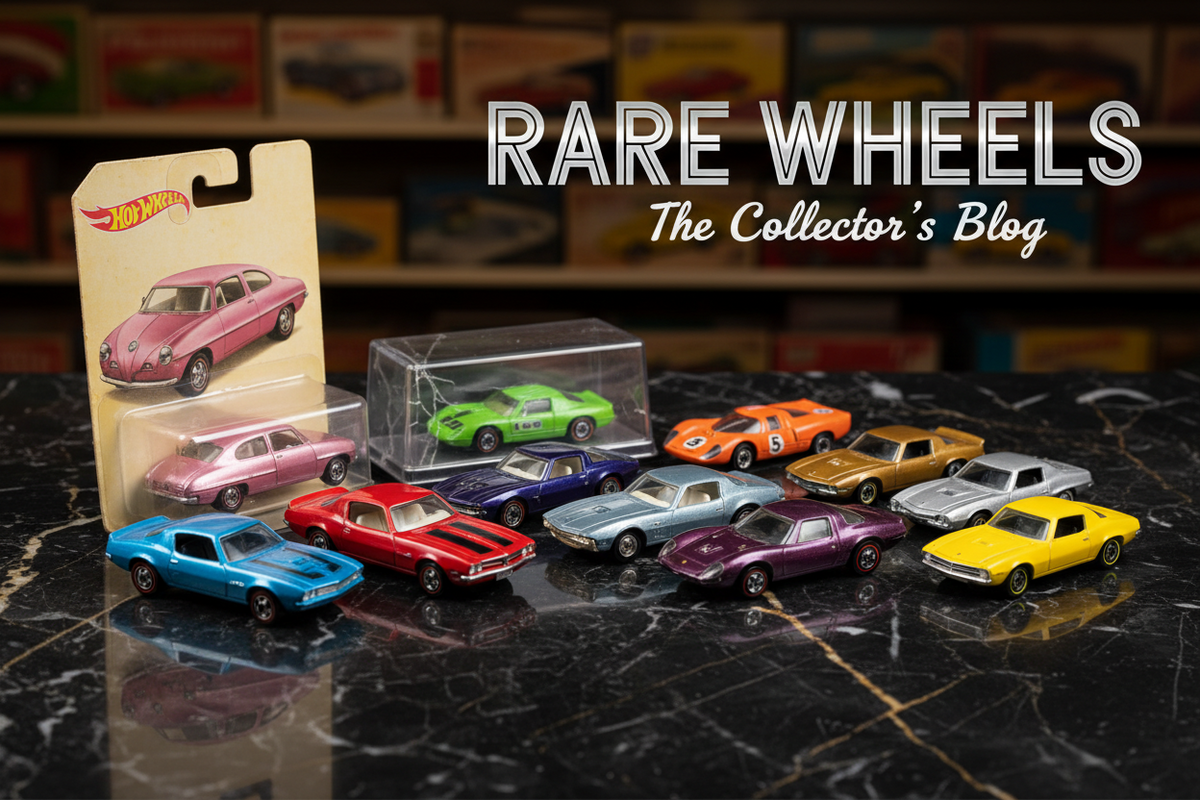
A variation is a documented configuration—not simply a different-looking car.
Two Hot Wheels can share a casting while differing in paint, graphics, wheels, windows, interior, base or packaging. That does not make every difference rare, valuable or factory-made. Start with the exact release, then decide whether the observed difference is a supported factory variation, an error, an aftermarket change or unresolved.
This guide replaces a fixed “ten worth serious money” list with a process that still works when offers and prices change.
Record ten fields before calling it a variation
| Field | What to record |
|---|---|
| 1. Casting | Body identity and supported tooling distinction |
| 2. Release | Year, series and collector or product number where available |
| 3. Body finish | Color, finish and observable factory application |
| 4. Graphics | Placement, colors and missing or shifted elements |
| 5. Wheels | Front and rear design, size, finish and tire type |
| 6. Windows | Color and transparency |
| 7. Interior | Color and visible configuration |
| 8. Base | Material, color, text and country marking |
| 9. Packaging | Card, codes, blister and market labeling |
| 10. Item history | Condition, repairs, wheel swaps, repainting and provenance |
Photograph both sides, roof and base in neutral light. For a carded car, add the complete front, back, blister and attachment area. Do not open a sealed item merely to answer a question that clear photographs can resolve.
Use a release with several identifiers
The carded 1998 3-Window ’34 below is identified by more than its orange paint. The current product record names the 1998 Treasure Hunt series, position 4 of 12, collector number 752, yellow flames and exposed chrome engine. Those combined details narrow the exact offer.

Separate a variation from condition or modification
Paint chips, faded graphics, yellowed plastic, clouded glazing and bent axles describe condition. Replacement wheels, reproduction decals and repainting describe modification. Neither automatically becomes a factory variation. Ask what was changed and record “unknown” when the history cannot be supported.
The loose pink ’58 Corvette is identified as a 1995-line release and sold without its original package. Its exact photographs support condition review, but the represented full-size vehicle year—1958—is not the toy release year.

Apply year-specific chase evidence
Treasure Hunt packaging and identification changed over time. The 1999 Hot Seat below is documented as series position 10 of 12 and collector number 938. Check those dated details, the clear body and the actual package rather than applying a modern logo rule backward.

Research value only after identification
- Search completed transactions for the same release and supported variation.
- Match loose or carded status, originality and condition.
- Record sale date, currency, lot contents, shipping and buyer premium.
- Exclude active asking prices and hidden accepted offers whose final amount is unknown.
- Keep a range and note thin evidence instead of inventing precision.
A rare production story does not guarantee demand, liquidity or future appreciation. One exceptional transaction does not set the value of every car sharing the casting.
Document first; rank later—or not at all.
A defensible variation record states what differs, why it is believed factory-made, how the individual item has been preserved and which comparable sales actually match. That evidence is more useful than a permanent “top ten” promise.
Test the proposed variation against ordinary explanations
Describe the difference before assigning a category. A wheel that differs from one reference photo could belong to another documented release, have been replaced or remain unresolved. Missing graphics may reflect wear or a manufacturing anomaly. Photographs and provenance should support the proposed explanation.
| Observed difference | Check before making a factory claim |
|---|---|
| Wheels or tires | Other releases of the casting and disclosed wheel/axle changes |
| Body color | Finish wear, repaint disclosure and a release-specific color reference |
| Missing or changed graphic | Wear pattern, surface condition and evidence for the claimed version |
| Package mismatch | Vehicle and card identifiers independently; packaging history |
| Tooling feature | A documented tooling comparison rather than color alone |
Keep competing explanations in the notes when the photographs cannot settle them. A documented release is public catalog identity; scratches, clouding and replaced parts belong to the particular copy. The Stockar example’s transparent-body wear is condition, not a second factory variation. A factory-error claim also needs evidence that the anomaly arose during production; an unusual appearance or a high asking price does not establish that history. Only compare sold evidence after the proposed identity is supported.

