

Maisto
Maisto: Choose a Scale, Format and Display Style
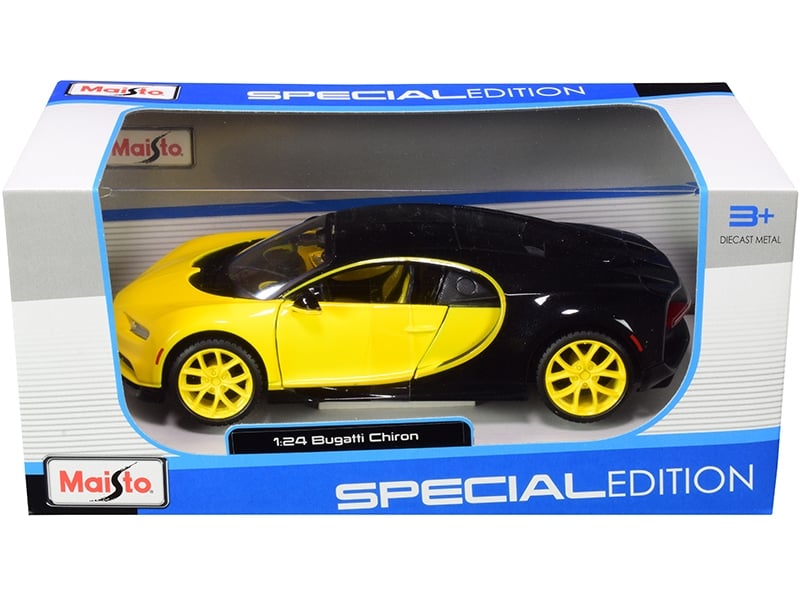
Collectors and builders get better results with maisto when they compare the complete system, finished footprint and required supplies before checkout.
Collector terms can look interchangeable until two listings show different scales, manufacturers, packages or release codes. The useful comparison starts with the exact vehicle and exact release, not with a broad color or brand label. The useful comparison is therefore not simply brand against brand. It is the exact item against the space, tools, system and result the buyer already has in mind.
What this maisto guide is designed to solve
This page owns one practical decision: understand the Maisto brand across finished diecast and assembly formats. It stays separate from neighboring pages about another brand, scale, product family or stage of the hobby. The central rule is to compare the exact release rather than the broad brand or vehicle name. Start with scale, exact release identity, casting details, packaging and display footprint; those details establish identity and compatibility before price, color or popularity enters the comparison.
Identify the exact release before comparing it
Record the complete product name, manufacturer or line, reference number when available, stated scale or size, and everything included in the package. Read the title, box photographs, specifications and instructions together. Two listings can share the same broad phrase while describing different releases, systems or required supplies, so a missing specification should be marked “not confirmed,” not guessed.
A concrete catalog reference helps turn the checklist into a real decision. Review Maisto Bugatti Chiron yellow and black 1:24 diecast model, then compare its stated scale, contents and dimensions with the exact requirements of this guide. The example is evidence for the method, not proof that every product using the same keyword is interchangeable.
Translate scale into real display space
Scale labels and category names are starting points, not complete measurements. Record the dimensions that matter after assembly or setup, including length, width, height, curve diameter, wingspan, coupled length or working clearance as appropriate. Mark the footprint on paper or a tabletop and add room for safe handling. This exposes conflicts that product photography can hide.
Read packaging, features and edition details
Compatibility must be proven at the component level. Compare connectors, electrical requirements, material chemistry, mounting points, part numbers, wheelbase, couplers, motor recommendations or assembly method—whichever applies. Also separate what is included from what is merely shown in promotional photography.
A decision table for maisto
| Decision factor | What to verify | What to record |
|---|---|---|
| Exact identity | Record the vehicle, model year or generation, manufacturer, series and item number. | Record the exact value for the maisto item before comparing alternatives. |
| Scale and dimensions | Use the stated ratio as a starting point, then check actual model and package measurements. | Record the exact value for the maisto item before comparing alternatives. |
| Release details | Compare color, livery, wheel design, opening features, base markings and included accessories. | Record the exact value for the maisto item before comparing alternatives. |
| Display format | Decide whether the collection will be loose, carded, boxed, in a case or arranged in a diorama. | Record the exact value for the maisto item before comparing alternatives. |
Complete the table for the exact candidate. The compact record makes two listings genuinely comparable and gives the collection or project a useful history.
Build a purchase plan that can succeed
Inspect every product image, read the complete title, and confirm whether the listing is one model, a multipack, a set, a kit or a scene. A shared vehicle name does not make two releases identical.
Divide the plan into required now, useful after the first successful session, and optional later. This prevents accessory drift and reveals when a “complete” package still depends on a controller, adhesive, thinner, display case, launch equipment or replacement wear parts. Browse the diecast model guides or review the current maisto search results only after the checklist is complete.
Common mistakes to avoid
- Treating scale as a guarantee that every model has the same length or wheelbase.
- Buying by color while ignoring the item number, series or model generation.
- Measuring only the loose car when the package or accessory determines the real footprint.
- Assuming opening parts, rubber tires or detailed interiors are standard across a brand.
Do not let a shared scale, brand name or attractive image substitute for documented fit. When releases look nearly identical, the item number, contents and dimensions matter more than the broad category label.
The best next step
Write one sentence that defines the purchase: “I need maisto that fits explain Maisto product formats and help collectors choose by scale, assembly format, features and display space.” Add the non-negotiable scale, system, space and included-content requirements. When the item arrives, photograph the packaging and reference number, inventory the contents, and test or dry-fit the basic system before making irreversible changes.
Frequently asked questions
Does the scale label tell me the exact size?
No. Real vehicles have different proportions, and model makers can interpret scale differently. Check the actual dimensions when fit matters.
How do I avoid buying a duplicate?
Keep a record of the manufacturer, item number, series, vehicle, color, wheels and package. Photos alone are not a reliable inventory system.
Should I collect loose or packaged models?
Choose the format you enjoy and can store safely. Packaged collecting emphasizes release and card condition; loose collecting emphasizes the model itself.
What matters most for display planning?
Use the complete footprint: model length and width, open panels, mirrors, base, package, stand, figures and any scenery.
Final checklist
Confirm exact identity, intended use, real dimensions, compatibility, included contents and required extras. Keep the notes with the item or project. With those six checks complete, maisto becomes a controlled hobby decision rather than a guess based on a broad search phrase.

