

Matchbox
DIY Matchbox Kit – 1935 Ford Model A Pick Up: Build & Fitment Guide
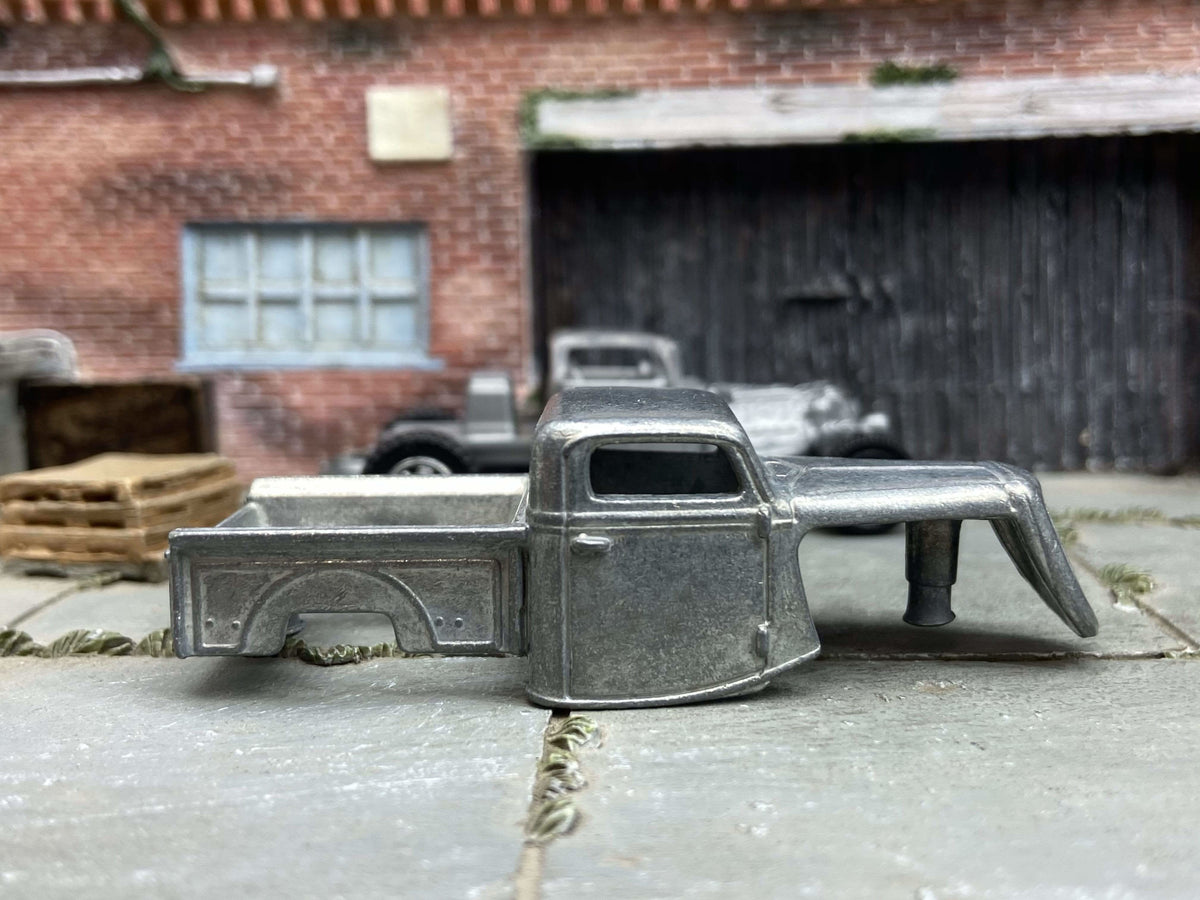
For collectors and builders, DIY Matchbox Kit – 1935 Ford Model A Pick Up is about the individual configuration rather than the category alone. Small differences in wheels, graphics, dimensions, or package style can completely change whether it suits a collection or build.
What this product is for
Start your own custom build with a genuine Matchbox casting that has been stripped and prepared for painting. This is a build project, not a finished custom car. Kit details
The year 1935 is part of the represented subject. It should not automatically be treated as the miniature or product’s manufacturing year.
The Muncle Mikes SKU is MUN2008413. It is useful when nearby products have similar names.
Choose the build direction before taking the car apart
A factory-inspired restoration, race build, street custom, show car, or weathered project calls for different colors, graphics, wheels, and stance. Planning the complete look first prevents individually attractive parts from fighting each other in the finished model.
Measure wheel fit on the actual casting
Outside tire diameter, wheel width, hub depth, usable axle length, chassis clearance, and body clearance all matter. Measure front and rear separately. A familiar 1:64 label does not make every wheel and axle combination interchangeable.
Dry-fit before paint and permanent axle work
Test the body, base, interior, glazing, and wheels together. The car should close fully, sit level, and allow the wheels to rotate without rubbing. Correct the source of a fit problem rather than forcing the body shut.
Keep finish buildup away from contact points
Primer, color, and clear coat can change the fit around windows, wheel arches, posts, and body-to-base edges. Use thin coats and allow them to cure. Protect finished surfaces during reassembly and record the parts that worked for the completed build.
Planning the build before disassembly
Measure the real parts before permanent work. Wheel diameter, width, axle length, hub depth, and body clearance can vary even when products share a familiar scale label. A complete dry fit with the body, base, interior, and glazing in place is the safest test.
Protect the starting point
Photograph the donor and keep the original wheels, interior, glazing, and base together until the build is complete. Those parts provide a reference when a new wheel setup or paint layer changes the way the car closes.
Finish the chassis before the final body fit
Check axle alignment, wheel movement, side-to-side play, and base security before the painted body is handled again. Solving chassis problems first reduces the chance of scratching the final finish.
Study the exact product photographs


Keep the product record separate from later experience
The listing explains what the seller and manufacturer identify at the time of purchase. A later owner can add observed fit, assembly, operating or condition notes, but those observations should remain dated and separate from the original specification. This distinction prevents a successful custom change, a replacement part or normal wear from being mistaken for a factory feature.
For a repeat project, record the tools, materials and companion parts that were actually used. That turns the article into a practical reference without claiming that the same combination is guaranteed for every related product.
Before opening, installing or modifying the item
Compare DIY Matchbox Kit – 1935 Ford Model A Pick Up with the saved listing while every component and label is still together. Confirm the exact product reference, quantity, finish and selected option. Look for shipping damage, loose pieces or a mismatch in the areas most important to the project.
Keep small accessories and instructions in a labeled container until the product has been tested in its intended setting. A reversible first test is safer than cutting, gluing, painting, wiring or discarding packaging before fit and function are understood.
Questions builders should answer first
Does a familiar scale or wheel diameter guarantee fit?
No. Width, axle length, hub depth, body clearance and the way the base closes still need to be checked on the actual casting.
Are paint, decals, tools and adhesive included?
Only items expressly named in the current product contents should be treated as included. Project supplies shown for context may be separate.
What should be tested before permanent assembly?
Dry-fit the body, base, interior, glazing, wheels and any added hardware. Confirm that the car sits level and the wheels rotate without rubbing.
How should the completed project be documented?
Keep the donor identity, product reference, wheel or paint choices and one finished photograph together so the custom is not mistaken for a factory variation.
For related projects, browse Build Your Own Matchbox: DIY Kits · Muncle Mikes Originals.
View DIY Matchbox Kit – 1935 Ford Model A Pick Up at Muncle Mikes
Keep the product record separate from later experience
The listing explains what the seller and manufacturer identify at the time of purchase. A later owner can add observed fit, assembly, operating or condition notes, but those observations should remain dated and separate from the original specification. This distinction prevents a successful custom change, a replacement part or normal wear from being mistaken for a factory feature.
For a repeat project, record the tools, materials and companion parts that were actually used. That turns the article into a practical reference without claiming that the same combination is guaranteed for every related product.

