

Matchbox
Finished Custom Matchbox or DIY Kit: Choose the Right Purchase
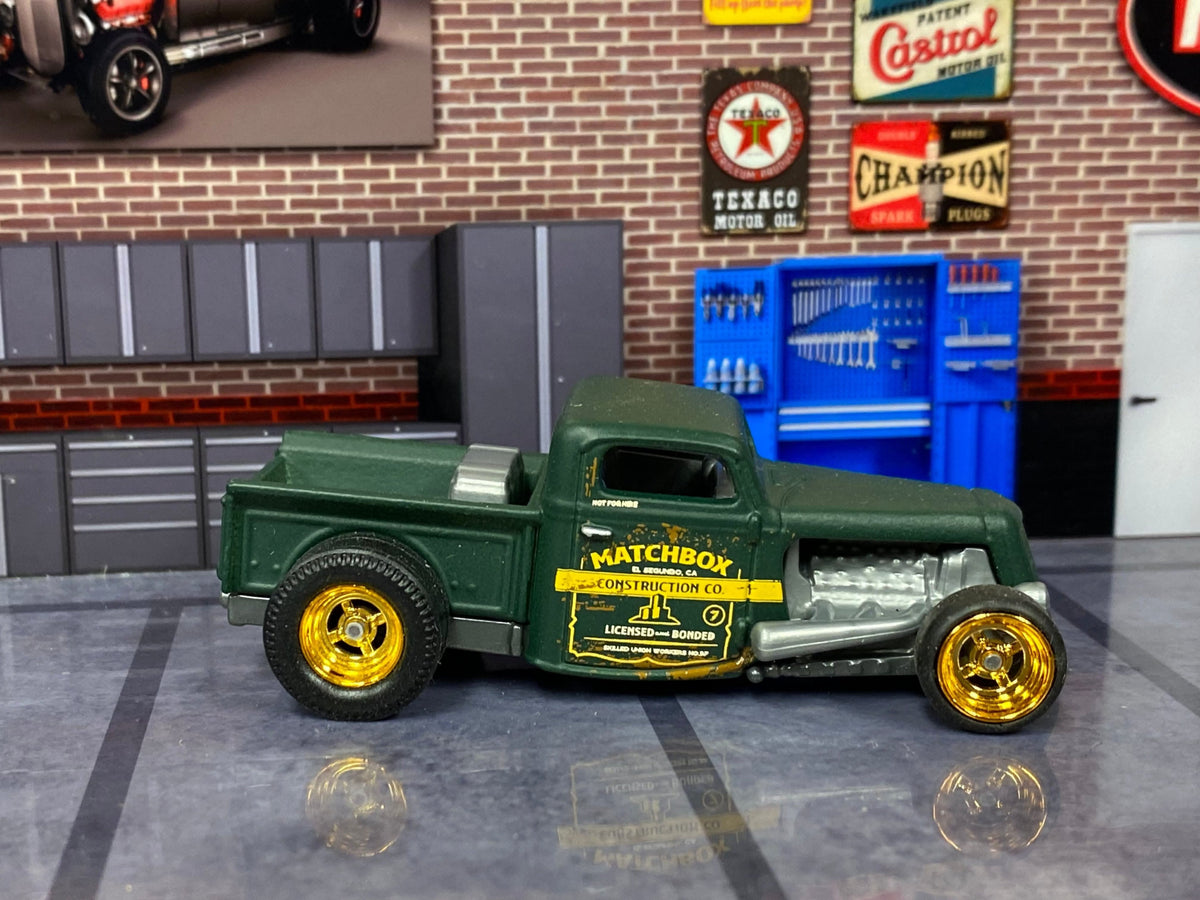
A finished custom Matchbox and a prepared DIY kit can both lead to an enjoyable shelf piece, but they are different purchases. Choose the finished car when you want the listed wheel setup already fitted. Choose the kit when you want to plan and complete the build yourself. The word custom does not make the two formats interchangeable.
Compare the work you receive
| Question | Completed custom | Prepared DIY kit |
|---|---|---|
| Is the build finished? | The offered wheel-swapped vehicle is assembled | Painting and build work remain |
| What appearance should I expect? | Inspect the actual finished-car gallery | Plan your finish; read component variation notes |
| Are upgrade wheels installed? | Check the specific custom's description | Do not assume upgrade wheels are supplied |
| Are tools and paint included? | Not needed to enjoy the listed completed car | Confirm separately; do not infer a full supply bundle |
| Who chooses the final setup? | You choose among the offered finished builds | You plan compatible parts and assembly |
A finished example: the satin green Ford pickup
The MM satin green 1935 Ford Pickup Hot Rod custom is a completed truck with gold four-spoke wheels and staggered rubber slick-style tires. Its listing describes distressed yellow Matchbox Construction Co. graphics and wider rear tires. The purchase is the pictured completed collectible, with display scenery and retail packaging excluded.
Use the gallery to decide whether that exact appearance fits your collection. The truck's slick-style tires describe a visual and component choice, not a promise of superior track performance. If you want another tire or color combination, choose a separate offer or plan a modification knowingly.
A DIY example: the prepared Ford pickup kit
The active 1935 Ford Model A Pick Up kit is described as stripped and ready to paint. Its factory wheel reference is 10 mm front and 12 mm rear, and its wheel style, interior color and window color may differ from the photos. That variation note matters if your proposed finish depends on a specific interior or glazing color.

Write down what the current listing includes and what your own plan still needs. Upgrade tires, axles, paint, decals, adhesives and tools should not be assumed to arrive simply because the product is called a kit. Confirm contents first, then choose compatible supplies.
Compare the full effort
A kit's price is only the beginning of a project decision. Consider the parts you already own, the supplies still required, the space and time for finishing, and your willingness to test fit. A finished custom avoids those build steps while limiting the purchase to the listed completed setup.
For a gift, choose based on whether the recipient wants a ready display piece or an unfinished project. Do not hand over a kit as though it were a finished toy, or promise an exact result without the necessary parts and skill.
Keep custom status clear
A wheel-swapped Matchbox is a modified collectible, not automatically a factory premium release. Record the original toy brand, customizer and changed components. If you build your own, save before-and-after photos and measurements. The 1935 Ford kit plan provides the specific checks for this prepared DIY project, while the actual product pages remain the source for present contents and availability.

