

Model Rocket Guides
Family Model Rocket Launch Day Checklist & Plan
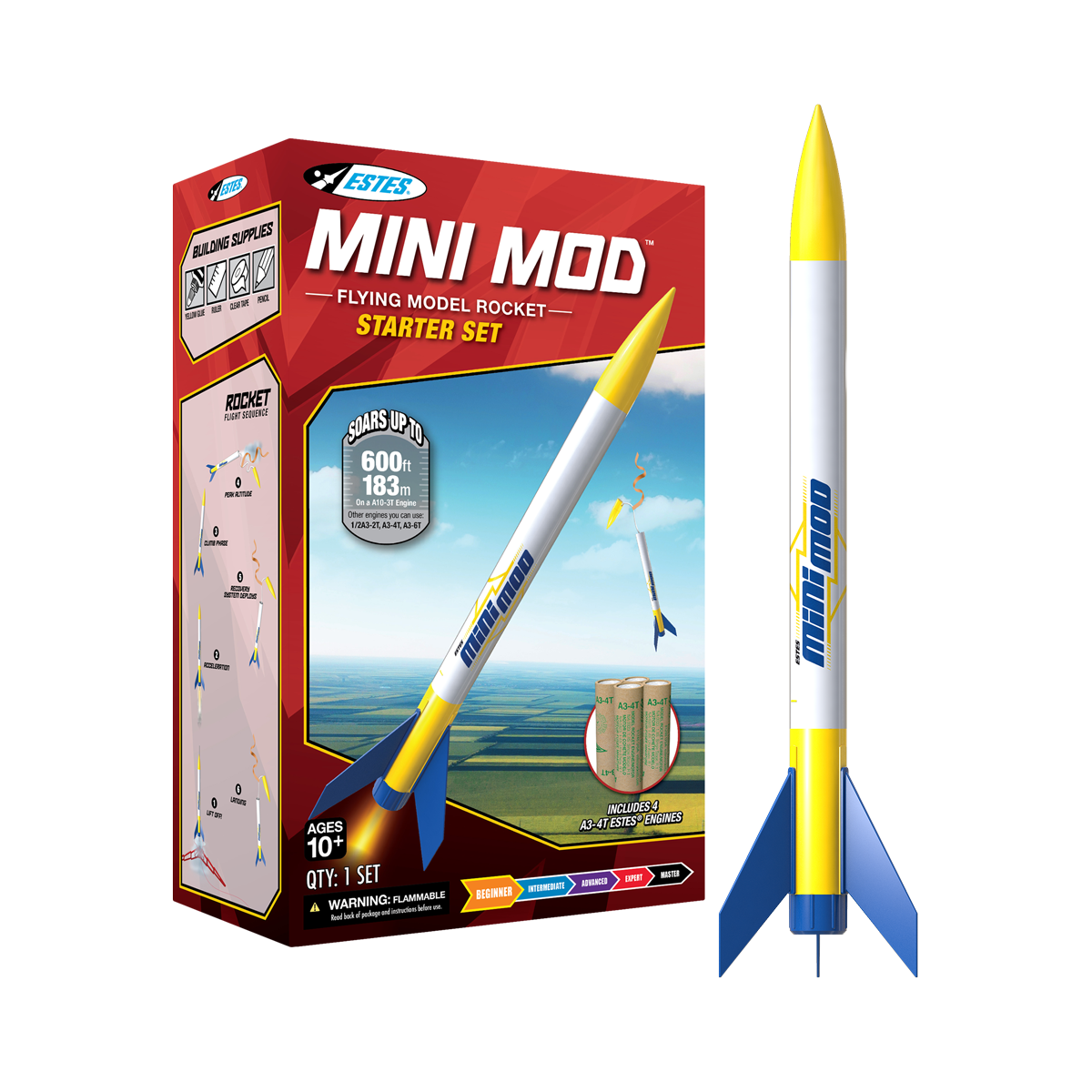
Updated October 18, 2026. A family model rocket day goes more smoothly when the build, supplies, site, and roles are planned in advance. Start with the exact rocket’s instructions, confirm the field is suitable for its motor, and assign an adult to manage launch safety.
One week before launch
- Choose a model and read its current instructions before buying.
- Confirm the motor codes and recovery system approved for that exact rocket.
- Check what the kit includes and what must be purchased separately: pad, controller, batteries, motors, starters, plugs, wadding, and tools.
- Finish construction early enough for glue, paint, or other finishes to cure fully.
- Get permission to use the field and check local rules, range schedules, and weather forecasts.
Pack a complete launch box
| Category | Pack or verify |
|---|---|
| Rocket | Completed model, current instructions, and flight log. |
| Motors and ignition | Only exact approved motor codes, compatible starters and plugs, plus the correct controller. |
| Recovery | Approved parachute or streamer and the required recovery wadding or heat protection. |
| Launch system | Compatible pad and launch guide; controller and fresh batteries. |
| People and weather | Water, sun protection, suitable clothing, and any range-required safety items. |
| Records | Pencil, flight log, and a way to note motor code, weather, and recovery. |
Choose the site and launch window
Use a field with permission and enough clear space for the exact motor’s impulse class, as specified by the current NAR Model Rocket Safety Code and range rules. Check wind, dry vegetation, trees, power lines, aircraft activity, and recovery hazards. Delay if conditions are doubtful; do not launch toward people, vehicles, or property.
Assign simple family roles
- Adult range lead: checks the pad, controller, safety interlock, and that the area is clear.
- Flyer: announces the countdown and operates the controller only when permitted by the supervising adult.
- Spotter: tracks the rocket and calls out the recovery direction.
- Everyone else: stays behind the designated spectator line and waits for the all-clear before recovery.
Make the first flight a careful one
Use only an approved motor from the exact model’s current list. Follow the instructions for recovery preparation and launcher setup. After the rocket is recovered, inspect it and record the flight before deciding whether another launch is appropriate.
If the motor does not ignite
Keep everyone away from the pad. Follow the current safety code: disconnect or remove the launch controller’s safety interlock, wait at least 60 seconds after the last launch attempt, and then have the supervising adult check the rocket and motor. Never approach immediately after a misfire.
Frequently asked questions
Should we buy a rocket kit or a complete launch set?
If you do not own compatible launch equipment, compare complete launch sets and check the exact contents. A kit or set may still require separate motors, batteries, starters, or recovery supplies.
Can we launch in a park?
Only with permission and when the location meets current safety-code and range requirements for the rocket and motor. Check local rules and site hazards first.
What if the weather changes?
Postpone when wind, precipitation, visibility, fire danger, or other conditions make the field unsafe. A backup date is better than a rushed launch.
What should we do after a successful flight?
Wait until the rocket is safe to retrieve, inspect the structure and recovery components, record the flight, and prepare again only if the rocket and conditions remain suitable.
Plan the next step
Use the Model Rocket Finder, read what a complete model rocket launch requires, and keep the NAR Model Rocket Safety Code available.
Recheck the current instructions, field rules, forecast, motor code, and equipment on launch day. Adult supervision and the manufacturer’s exact directions apply throughout preparation and flight.

