

Model Train Guides
Your New Model Train: Inspect It Before the First Run
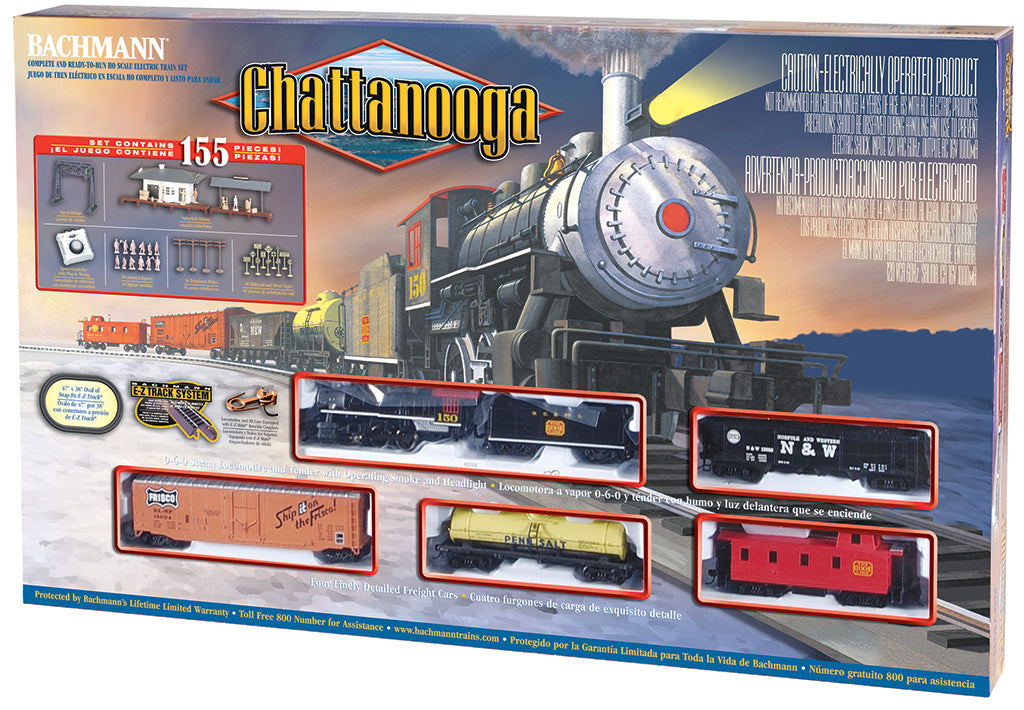
A new model train deserves a careful look before you apply power. Check that you received the right item, release it from the packaging without straining its details, and prepare the track and controls described in its instructions. A calm first run makes it easier to notice a problem and describe it accurately.
The aim is to learn how the model arrived and how it behaves in its intended setup. You do not need to dismantle it, adjust the mechanism or start adding accessories to complete that first check.
Open the box where small parts cannot disappear
Use a clear, well-lit surface with room for the box, insert and loose packets. Keep the outer shipping material until you have checked the contents. Before lifting the model, look for ties, screws, retaining clips or an insert that opens in sections. Follow the unpacking instructions rather than pulling harder when something resists.
Support the model at the locations shown by the manufacturer. Handrails, couplers, pantographs, steam piping and locomotive rods are details to protect, not convenient handles. If a locomotive and tender have a connection between them, check how they should be lifted and joined before separating or moving them.
Photograph any obvious damage while the arrangement is still clear. Include a wider view that shows where the part belongs as well as a close view of the concern. A useful photograph explains what you found; it does not need elaborate staging.
Compare the contents before assembling extras
Match the manufacturer's item number on the box to your order. Then check the model, separate parts, instructions and operating equipment against the supplied contents list. Keep accessory packets with their labels until you know what each part does.
A loose detail can be an intentionally separate fitting, while a similar-looking fragment may be damaged. Compare it with the instruction drawing before attaching it. If the location or purpose remains unclear, leave it safely in its packet and ask about the exact item. Gluing first makes a simple question harder to resolve.
| What you find | Useful first action | What to postpone |
|---|---|---|
| A sealed packet of detail parts | Find the fitting instructions and identify the pieces | Installing parts without knowing their intended position |
| A visibly bent or broken detail | Photograph it and keep the packaging | Straightening, gluing or disassembling the area |
| An unfamiliar cable or tender connection | Check the model's assembly diagram | Forcing a connector or trying a similar cable |
| A missing item from the contents list | Check the remaining packaging and identify the missing part | Buying a substitute before resolving what should have arrived |
Prepare the intended first setup
Use a stable, accessible track arrangement with the required gauge and curves. For a complete set, begin with the supplied plan and specified operating equipment. For a separate locomotive, confirm that your existing power and control system is suitable before placing it on the track.
Check track joints carefully. Rails should meet correctly, and the route should be free of loose packaging, tools and other obstructions. Turn the power off while placing or repositioning the train. Make sure every wheel is on the rails, including wheels under the tender and small leading or trailing trucks.
Read any instructions covering first-use lubrication, smoke, sound, charging or removable batteries. Requirements vary by model. Do not add oil or smoke fluid because another locomotive needed it, and do not borrow a power supply solely because the plug fits.
A set with several kinds of contents
With a set like this, separate the first running check from scenery assembly. Establish that the supplied operating setup works before arranging buildings or adding details near the track. You will have better access to the wheels, connections and joints if something needs attention.
Watch a simple first run
Follow the manufacturer's startup procedure, including any required tender connection, address selection or pairing. Where the instructions allow, begin with the locomotive and any required tender before adding the rest of the train. Increase speed gradually and watch it travel through the accessible route.
Check whether it starts, stops and responds to direction changes as described. Once that basic operation is satisfactory, add the cars and watch the couplers and wheels through the curves. This sequence helps distinguish a locomotive issue from a car or track problem without changing several things at once.
Stop if you notice binding, an unexpected burning smell, unusual heat or repeated derailments. Switch off before inspecting. A new model that repeatedly struggles is not an invitation to keep increasing power or force its wheels by hand.
Keep a brief factual note if you need help: which model, which controller, where it stopped and what you saw or heard. “Stops at the same track joint in both directions” is more useful than “runs badly.” Keep the receipt and original packaging with the model while an arrival concern is being resolved.
First-run questions
Should I oil every new locomotive before running it?
No universal routine applies. Some models specify preparation before first use; others have different maintenance instructions. Use the directions and lubricant specified for your exact locomotive.
Is the first inspection the same as running in?
No. Inspection checks the received condition and basic operation. Running in is a manufacturer-directed operating procedure that may specify a duration, speed or direction. Follow it after the arrival checks, without inventing a standard time for every model.
What if the locomotive does not move?
Stop and check the intended supply, track connection, wheel placement and startup procedure. For a digital or remote-controlled model, include the specified address or pairing step. If those checks do not resolve it, ask for help before opening the mechanism.
Contact Muncle Mikes about your model or order with the item number and a clear description if you find an arrival problem. Keep the box useful with the model train packing and storage guide, or return to the model train buying guide when planning your next addition.

