

Plastic Model Guides
PineCar P313 Turbo Dry Transfer Decal Sheet: Printing & Application Guide
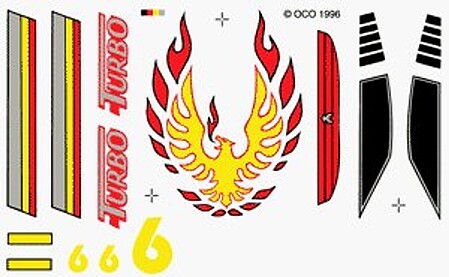
PineCar P313 Turbo Dry Transfer Decal Sheet is made for model builders who want crisp markings and small printed details without trying to paint every symbol by hand. Surface preparation, careful placement, and drying time matter more than speed.
A closer look
PineCar P313 Turbo Dry Transfer Decal Sheet is a pinewood derby decals & finishing from PineCar with item number PINP313 .
The identifying item number is PINP313. It is useful when nearby products have similar names.
Prepare a smooth surface
Waterslide decals settle best over a clean gloss or satin finish. Paint should be fully cured, and dust or fingerprints should be removed before the first marking is soaked. A rough flat surface can trap air beneath the carrier film and leave a pale edge around the artwork.
Apply one marking at a time
Cut close to the printed design, dip the piece briefly in clean water, and let it rest on the backing until the film begins to move. Slide it onto the model with a damp brush, adjust the position gently, and roll away extra water with a cotton swab. Pulling the swab sideways can move or tear a small marking.
Work carefully around curves and panel lines
A setting solution can improve adhesion, while a stronger softening solution can help the film conform to recessed lines or curved armor. Test the paint and solution combination first. Once a softener is applied, leave the decal alone until it has dried, even if the film briefly looks wrinkled.
Protect the finished markings
Allow the decals to dry completely before clear coating. Begin with light coats so the carrier film, ink, paint, and clear finish can settle together without reacting. The final sheen can be flat, satin, or gloss to suit the model, but compatibility matters more than the brand name on the bottle.
Getting the best result from this decal set
Work in small sections, keep the backing sheet dry except for the marking being used, and test the paint–decal–clear-coat combination before committing to the finished model. Small markings are easier to control when the model is supported at a comfortable angle.
There is no need to use every marking. A restrained, consistent placement plan usually looks more convincing than filling every open panel simply because another decal is available.
Plan the markings before the first one is soaked
Study the sheet and decide which warning labels, numbers, or unit markings belong together. Completing one area of the model at a time helps keep left and right sides balanced and reduces accidental repeats.
Give the finish time to settle
After the final decal is positioned, leave the model undisturbed until the water and solution have fully evaporated. Clear coating too soon can trap moisture beneath the film or disturb a marking that has not finished bonding to the surface.
Study the exact product photographs


Use one final reversible check
Before the item is permanently altered, place it in the intended project, display or operating setup without adhesive or destructive work. Confirm access, clearance, visual scale and the ability to remove or maintain it later. When electrical or powered use applies, begin with the lowest-risk controlled test allowed by the instructions.
Write down any unresolved point rather than improvising an answer. A short pause for the correct dimension, material or interface is usually less expensive than repairing a product that was forced into the wrong role.
What to verify when PineCar P313 Turbo Dry Transfer Decal Sheet arrives
Keep the shipping carton, product packaging and order confirmation until the item has been inspected. Compare the title, visible finish, quantity, selected option and included pieces with the saved listing photographs. Check delicate edges, clear parts, printed markings, connectors and moving pieces before the product is used.
Photograph anything that differs before assembly, paint, installation or package removal. Once permanent work begins, it becomes harder to separate a delivery problem from a change made during the project. Store the instructions and unused accessories with PineCar P313 Turbo Dry Transfer Decal Sheet so the product can be identified later without relying on memory.
Build-planning questions
Is the product ready to use without additional supplies?
Not necessarily. Paint, primer, cement, cutting tools, decal solution or mounting materials may be separate unless the contents say otherwise.
What should be dry-fitted?
Test the main assemblies, clear parts, mounting points and any accessory footprint before paint or adhesive makes the fit harder to correct.
Does the scale label answer every size question?
No. Compare actual dimensions and the intended subject, because products in the same nominal scale can represent very different real-world sizes.
How should finishing products be chosen?
Use the material and manufacturer instructions, then test the complete primer, color, decal and clear-coat system on a spare piece.
For related projects, browse Model Trains & Train Sets · PineCar Derby Kits, Parts & Racing Decals.
View PineCar P313 Turbo Dry Transfer Decal Sheet at Muncle Mikes
Use one final reversible check
Before the item is permanently altered, place it in the intended project, display or operating setup without adhesive or destructive work. Confirm access, clearance, visual scale and the ability to remove or maintain it later. When electrical or powered use applies, begin with the lowest-risk controlled test allowed by the instructions.
Write down any unresolved point rather than improvising an answer. A short pause for the correct dimension, material or interface is usually less expensive than repairing a product that was forced into the wrong role.

