

Plastic Model Guides
AMT 1970½ Chevrolet Camaro Z28 Full Bumper 1:25 Model Kit #1155: Build, Paint & Assembly Guide
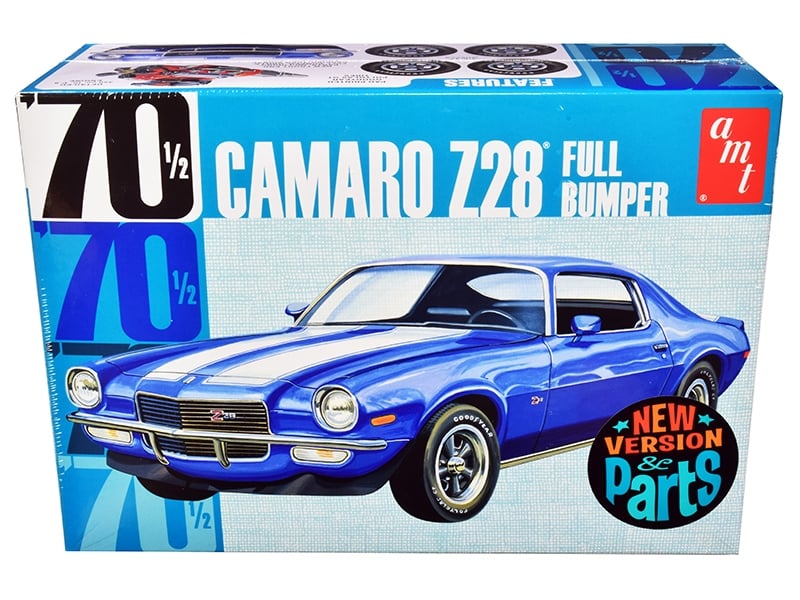
AMT 1970½ Chevrolet Camaro Z28 Full Bumper 1:25 Model Kit #1155 belongs in a planned build rather than an improvised one. Knowing what is supplied, what still needs to be added, and which surfaces must remain clean makes the work easier from the first step.
A closer look
1970½ Chevrolet Camaro Z28 "Full Bumper". This AMT model kit is offered in 1:25 scale (item AMT1155).
The stated scale is 1:25, and the subject name includes 1970. That scale should match the surrounding model, layout, or collection.
The Muncle Mikes item number is F977-AMT1155. It is useful when nearby products have similar names.
Know what kind of kit you are building
Scale, subject, tooling, and kit format shape the entire project. A snap-fit kit, a glue kit, and a detail accessory may share similar box art while requiring very different tools and preparation. Read the instructions once before removing parts so the assembly and paint sequence make sense.
Inspect and dry-fit the major parts
Check runners, clear parts, tires, decals, and instructions before work begins. Test the body, chassis, interior, wings, or other large assemblies without glue. Dry fitting reveals warped parts, paint-clearance issues, and seams that are easier to correct before detail work is added.
Plan paint and assembly together
Some areas become difficult to reach after the model is closed. Decide which subassemblies need separate paint, where masking will be required, and which contact surfaces must remain clean for adhesive. Thin, fully cured coats preserve fine detail and improve final fit.
Finish with decals and careful final assembly
Apply decals over a smooth surface and allow them to dry before clear coating. During final assembly, protect clear parts and painted edges from excess adhesive. If the model resists closing, find the contact point instead of forcing the parts together.
Planning this build
Read the instructions once before cutting parts from the runners. Group the work into cleanup, test fitting, subassembly, paint, decals, and final assembly. Making those decisions early prevents closed assemblies from hiding areas that still need detail work.
Choose tools for the kit rather than the category
Side cutters, a sharp hobby knife, sanding tools, tweezers, masking tape, and a suitable adhesive cover many builds, but the instruction sheet should guide the final list. Clear parts, photo-etched details, vinyl tires, and plated pieces may each need different handling.
Protect the final fit while painting
Keep paint away from locating pins, snap tabs, hinge points, and tight body-to-chassis contact areas. If a painted assembly no longer closes cleanly, remove the buildup at the contact point instead of forcing the joint.
Study the exact product photographs

Keep the product record separate from later experience
The listing explains what the seller and manufacturer identify at the time of purchase. A later owner can add observed fit, assembly, operating or condition notes, but those observations should remain dated and separate from the original specification. This distinction prevents a successful custom change, a replacement part or normal wear from being mistaken for a factory feature.
For a repeat project, record the tools, materials and companion parts that were actually used. That turns the article into a practical reference without claiming that the same combination is guaranteed for every related product.
What to verify when AMT 1970½ Chevrolet Camaro Z28 Full Bumper 1:25 Model Kit #1155 arrives
Keep the shipping carton, product packaging and order confirmation until the item has been inspected. Compare the title, visible finish, quantity, selected option and included pieces with the saved listing photographs. Check delicate edges, clear parts, printed markings, connectors and moving pieces before the product is used.
Photograph anything that differs before assembly, paint, installation or package removal. Once permanent work begins, it becomes harder to separate a delivery problem from a change made during the project. Store the instructions and unused accessories with AMT 1970½ Chevrolet Camaro Z28 Full Bumper 1:25 Model Kit #1155 so the product can be identified later without relying on memory.
Build-planning questions
Is the product ready to use without additional supplies?
Not necessarily. Paint, primer, cement, cutting tools, decal solution or mounting materials may be separate unless the contents say otherwise.
What should be dry-fitted?
Test the main assemblies, clear parts, mounting points and any accessory footprint before paint or adhesive makes the fit harder to correct.
Does the scale label answer every size question?
No. Compare actual dimensions and the intended subject, because products in the same nominal scale can represent very different real-world sizes.
How should finishing products be chosen?
Use the material and manufacturer instructions, then test the complete primer, color, decal and clear-coat system on a spare piece.
For related projects, browse AMT Model Kits & Accessories · AMT Manufacturer Catalog.
View AMT 1970½ Chevrolet Camaro Z28 Full Bumper 1:25 Model Kit #1155 at Muncle Mikes
Keep the product record separate from later experience
The listing explains what the seller and manufacturer identify at the time of purchase. A later owner can add observed fit, assembly, operating or condition notes, but those observations should remain dated and separate from the original specification. This distinction prevents a successful custom change, a replacement part or normal wear from being mistaken for a factory feature.
For a repeat project, record the tools, materials and companion parts that were actually used. That turns the article into a practical reference without claiming that the same combination is guaranteed for every related product.

