

Hot Wheels How To
How to Start a Hot Wheels Collection Without Overpaying
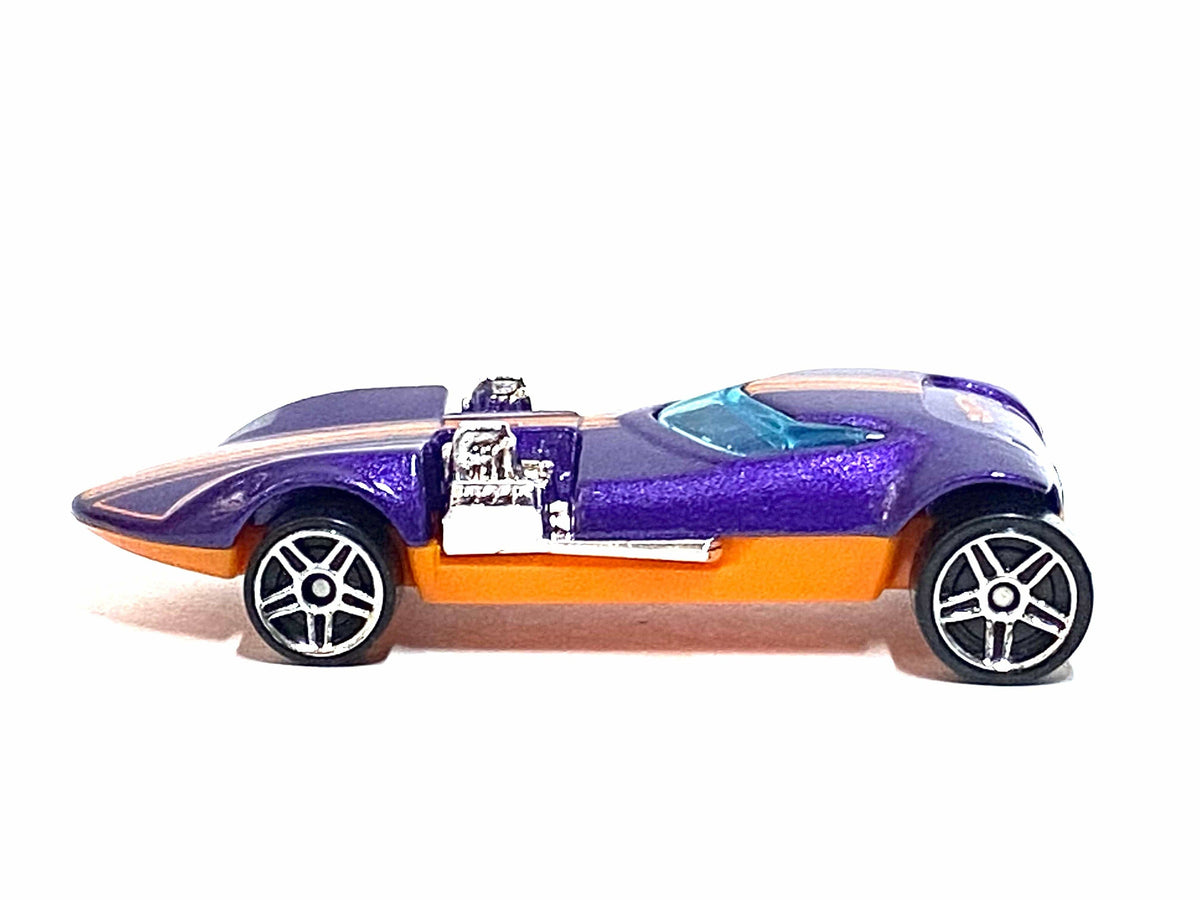
Direct answer: A useful Hot Wheels value or buying decision starts with the exact release, condition, and recent completed sales. Asking prices show what sellers hope to receive; sold listings provide stronger comparison evidence. Identify the model first, compare like-for-like examples, and account for fees, shipping, and condition before setting a budget or sale price.
What to check before you begin
Confirm the casting, release, color, wheels, base, and packaging from clear photographs. Record damage, repainting, missing parts, card condition, and provenance where known. Use several recent sold examples that match the same variant and condition. Avoid treating a rare-looking feature or a high listing price as proof of value.
Start from the exact question in this guide: How to Start a Hot Wheels Collection Without Overpaying. Use the current car and parts in front of you as the reference. Photos can document details, but compare them with measurements or reliable release information when the decision depends on fit, originality, or value. Keep confirmed details separate from estimates.

A practical step-by-step process
- Identify the exact model and release using the base, packaging, and trusted references.
- Photograph all sides, base, wheels, and packaging; disclose repainting, damage, or missing pieces.
- Compare multiple completed sales for the same variation and similar condition.
- Subtract marketplace fees, payment costs, shipping, and packing materials from a sale estimate.
- Set a maximum budget before bidding or a realistic asking price before listing, then revisit it when new sales evidence appears.
Keep the result accurate and useful
Record the model, condition, measurements, and changes in a short note that you can return to later. If you are buying or modifying a car, save the listing and clear photos before work starts. If a detail remains uncertain, say so rather than turning it into a definite claim. That makes the guide useful to collectors with different castings, parts, and experience levels.
For related projects, explore gift finder and DIY Hot Wheels kits. Check the exact fit, contents, or condition on each listing because product details vary by item.
Frequently asked questions
Are asking prices a reliable value guide?
They show asking expectations. Completed sales for the same variation and condition are stronger evidence.
What changes the value most?
Exact variation, condition, originality, packaging, and completeness can all matter. Document them clearly.
Should I include fees and shipping?
Yes. Estimate net proceeds after marketplace and payment fees, shipping, and packing.

