
Hot Wheels
Build Your Dream Garage in Miniature: A Focused Hot Wheels Display
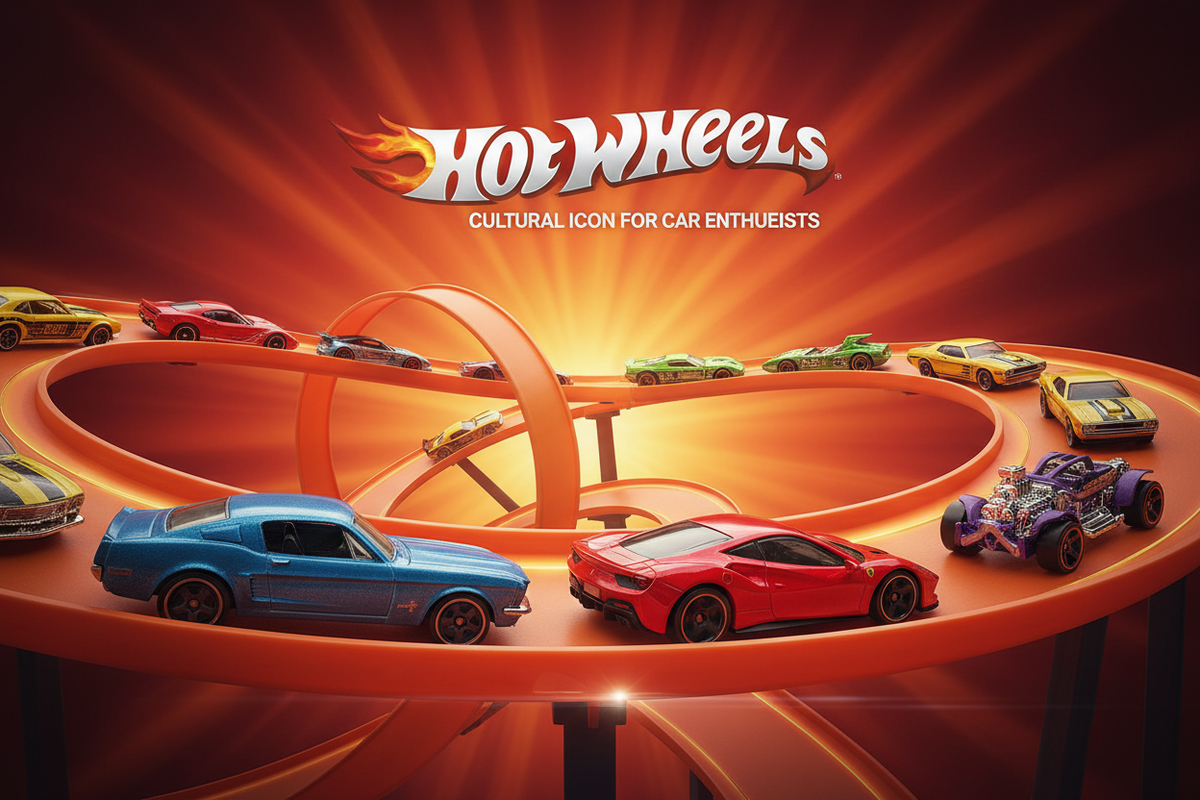
A miniature dream garage works best when each car has a reason to be there. Start with three positions: a personal favorite, a vehicle you admire and a design chosen purely for fun. This is a suggested display plan, not a rule that a collection must contain three cars or one particular brand.
Give the first position a personal connection
Choose a model related to a vehicle you owned, a car you remember or a design you keep returning to. Confirm the body style and edition rather than buying the first listing with a familiar name.
A miniature can represent the connection without being an exact duplicate. Label that distinction honestly instead of claiming the color, trim or model year matches when it does not.
Choose an aspirational car by its actual model
The orange Hot Wheels McLaren 720S offers one specifically identified loose-car option. The gray Maisto Mercedes-Benz EQS is a different vehicle in a listed 1:27 format.
They are not equivalent in size or purchase format. Choose the object that suits your shelf, not only the full-size car you admire.
Leave room for an imaginative choice
The purple-and-orange Twin Mill can provide a contrasting fantasy silhouette. A display does not need to consist entirely of road-going replicas to express an interest in car design.
Keep its actual edition visible in your inventory. A modern version of a classic design should not be labeled as the earliest release simply because the shape has a long history.
Plan the view before choosing the case
Decide whether the cars will be viewed from the side, at an angle or from above. Compare the actual models' length, width and height, including bases and projecting details. Leave room to retrieve one without touching another.
A mixed-scale display can be intentional, but do not present it as a precise scale street scene. The diorama measurement guide helps compare models with buildings and figures.
Decide which condition suits the display
A playworn favorite, an unopened collectible and a finished custom offer different kinds of enjoyment. Examine actual photographs and note repairs, missing parts and packaging rather than using brand reputation as a condition report.
For a custom look, compare finished builds with a deliberate DIY project. A donor alone does not include every separate tool or upgrade you may need.
Expand only when the new car adds something
Keep a short display list with a reason for each position. Rotate themes instead of buying a larger cabinet whenever an unrelated model appears. A coherent group of cars you enjoy can be satisfying without chasing every variation or an unsupported investment claim.
