

Hot Wheels
Customizing Hot Wheels: Choose a Donor, Plan the Wheels & Finish the Build
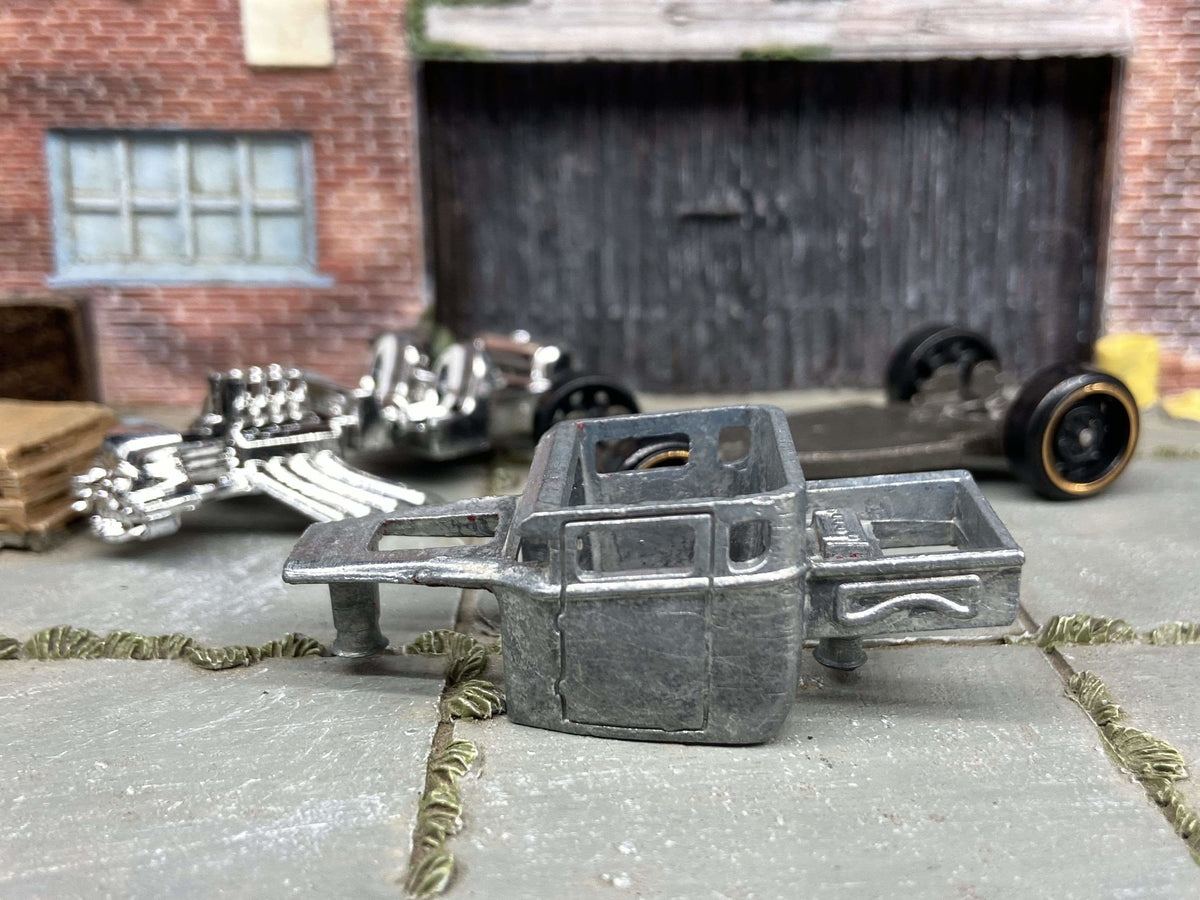
A satisfying Hot Wheels custom begins with a clear donor-and-parts plan. Choose the body you want, decide what will change and check the actual components before beginning. This is an adult hobby project, not a recommendation to modify a toy for a toddler.
Choose a donor for the intended result
The pictured Bone Shaker donor is described as stripped and ready to paint. The listing notes 10 mm stock front wheels and 12 mm rear wheels as reference dimensions, with interior colors varying.
Read the current kit contents. Do not assume wheels, tires, axles, tools or paint are included because they appear in an example of a completed build.
Separate appearance from fit
Decide on the desired wheel profile and stance, then compare diameter, width and clearance with the actual body and base. A larger-looking wheel face does not necessarily mean a larger outside tire diameter.
The gold five-spoke set lists two 10 mm and two 12 mm wheels with rubber tires. That makes it a component to compare, not a universal fit guarantee for every Bone Shaker or other casting.
Test the assembly before finishing
Check how the chosen parts sit when the interior, body and base are together. A wheel that spins freely on an open base may contact the completed body. Record the problem before removing material or changing another part.
Use the wheel-fit troubleshooting guide to separate rubbing, axle length and tire seating. A different spoke design does not automatically correct a geometry problem.
Use the finishing product's own instructions
Choose preparation and coating materials suited to the actual components, and test the system on a suitable sample. Follow the specified protective equipment, ventilation and curing directions; there is no universal safe paint recipe for every product.
Keep sharp parts and powered tools under adult control, with the workpiece secured. Do not drill while holding the miniature in your fingers or treat eye protection as optional.
Inspect the completed build
Check that parts are secure, wheels clear the body and any intended movement operates without force. Photograph the finished car and record the components and work performed.
A custom is not an untouched factory premium, prototype or Super Treasure Hunt. Label it as aftermarket work even when its appearance resembles a documented release.
Choose between building and buying finished
Browse DIY kits and wheel parts for a hands-on project. Browse finished custom Hot Wheels when you prefer the completed wheel-swap look. Compare the full project cost and actual contents rather than only the donor's price.
Make the dry fit a recorded stage
Write a build sequence before applying color: inspect the stripped donor, measure the proposed wheel assembly, assemble without permanent adhesive, check clearance, then finish the components under their material instructions. Keep the original parts together until the new arrangement works. A reference wheel diameter is only one measurement; it cannot establish axle inclusion, wheel width or clearance under the completed body.
Photograph the test assembly from below and from the side. Mark any rubbing location on your notes rather than repeatedly spinning against it. If changing one component fixes the contact, repeat the check with every component installed. For a subscription project, the DIY Customizer Club excludes wheels, tires and axles; plan those parts separately instead of assuming the club supplies them.


