

Hot Wheels
Inside Hot Wheels Design: People, Collaboration & Project Records
The Hot Wheels design story is easier to understand through named people and documented projects than a generic description of a futuristic studio. Look at who contributed, what the project required and which records are available to the public.
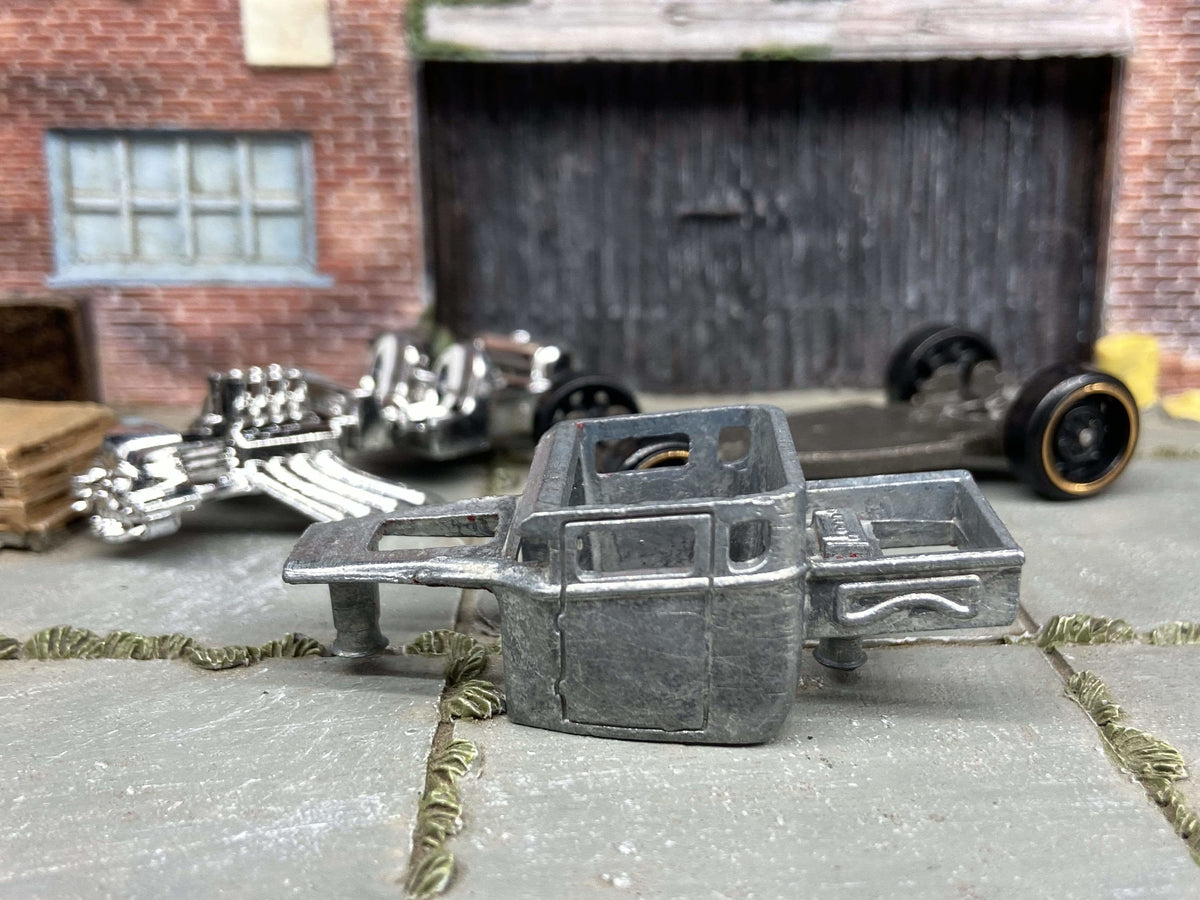
The header is a prepared Bone Shaker donor from this store, not a factory photograph.
A career connection behind the models
In NHRA's 2026 interview, Larry Wood recalls seeing Hot Wheels and orange track at Howard Rees's home in 1969. Rees helped arrange the interview that brought Wood into the work. It is a specific first-person account, not a universal hiring route for designers today.
Career histories help explain influences and relationships. They should not be turned into claims that one person designed every famous casting or that current teams have the same responsibilities as earlier teams.
A collaboration with a real-vehicle maker
DeLorean's 2022 Alpha5 announcement describes a four-month collaboration with the Hot Wheels design team and lists digital and physical development stages. That is evidence for a particular joint project, not a standard timetable for every miniature.
For a collector, the useful questions are which real design was represented, which miniature edition resulted and what the manufacturer actually specified.
Read design credits by role
Keep the original vehicle designer, toy casting designer, graphic contributor and later custom builder distinct when a source identifies them. An anniversary decoration or a reworked version may involve different contributions from the first casting.
Use the designer reference guide as a starting point, then preserve the credit source in your collection record.
Separate a public story from studio access
A behind-the-scenes article or event photograph is not an invitation to enter a workplace. Confirm any public event, application or tour through the organizer's current official information before making plans.
This guide does not advertise an open workshop, internship or visitor program. A published career story should not be mistaken for a current opportunity or entry requirement.
Apply the research to your collection
Choose a design you enjoy, identify its actual release and compare its components and condition. A rendering, development sample and finished retail model belong in different records.
The design-stage guide explains those distinctions. For a personal interpretation, use DIY kits and compatible wheel parts, labeling the resulting work as an aftermarket custom rather than a studio prototype.
Organize a project record by contribution
Make a small map of the documented project: real vehicle, miniature shape, graphic treatment and finished edition. Enter only the people and roles actually named by a source. Leave an uncredited stage blank rather than filling it with the most familiar designer. A four-month example documents that project, not a universal production timetable.
Keep firsthand career stories distinct from current hiring or visitor information. If a public interview inspires you, use it to choose a design to study; do not treat it as permission to access a workplace. For your own build, record the casting’s identity and your modifications separately. The project donor pictured here belongs to that adult aftermarket workflow, not an authenticated studio inventory.
Photographs for the comparison


