

Hot Wheels
Influential Hot Wheels Castings: Three Ways to Build a History Display
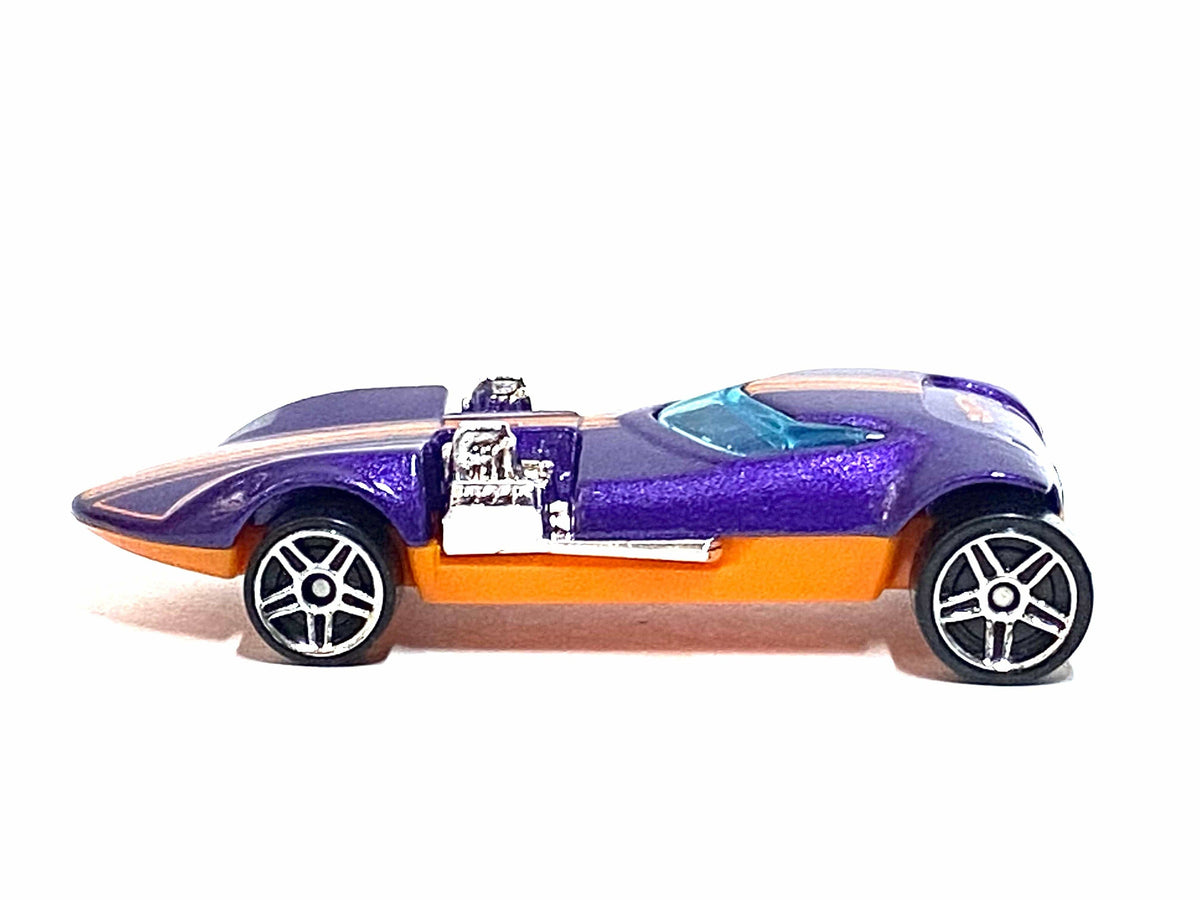
A history display works best when each car represents a specific idea. The Custom Camaro, Twin Mill and Bone Shaker offer three different starting points: an early custom-car interpretation, an original fantasy shape and a later hot-rod design with a full-size counterpart.
This is a suggested collecting route, not a production-count ranking or a promise that every version is valuable.
Custom Camaro: connect the beginning with a later tribute
Mattel's 2022 anniversary release describes Custom Camaro as one of the Original 16 from 1968 and notes its 2018 retooling. The same description distinguishes the club's 2002 membership Camaro from the later tribute.
A display can compare these kinds of releases, but they should not be entered as the same vintage item. Match the actual tooling, edition and package instead of treating every Camaro name as interchangeable.
Twin Mill: a miniature idea becomes full-size
The official Xbox account credits Ira Gilford's Twin Mill design and records the full-size car's 2001 SEMA debut. The toy and full-size build are distinct stages of the same design story.
The modern purple-and-orange Twin Mill pictured here offers one way to enjoy the shape without implying it is an original 1969 example. Choose the release that fits your collecting purpose.
Bone Shaker: a recognizable hot-rod interpretation
NHRA’s firsthand Larry Wood interview and Xbox’s published Bone Shaker account credit him with the design. Those records support a designer-focused display without assigning every early classic to Wood.
For an adult custom-building direction, the Bone Shaker wheel-swap guide concerns the standard car, not the separate Monster Truck chassis.
Give each display position a clear label
Record the design being represented, the actual edition on display and whether the model is factory-original, restored or customized. A modern example can illustrate an older design without impersonating an early release.
Include a short source note in your inventory. Keep a casting's first appearance separate from the purchase date or the model year of the full-size vehicle.
Choose condition and format deliberately
For a loose display, inspect body, wheels and fragile parts. For a carded collection, assess the package independently. Compare values only after matching edition and condition; an iconic shape alone does not establish a resale price.
Browse loose cars, carded collectibles and disclosed customs according to the story you want your display to tell.
Give a history display an evidence label
Use a short display card: design milestone, displayed edition and why it represents that milestone. A modern Twin Mill can demonstrate the fantasy silhouette; it need not imitate an early release. A stripped Bone Shaker can show an adult customizing starting point; it should not be labeled a development sample or Wood’s personal prototype.
Keep chronology on the label rather than relying on shelf order alone. Include the source of a historical date in the inventory, and mark retools or tributes separately. This lets you rotate a modern example into the display without rewriting its history. A three-design display can explain contrasting ideas more clearly than an unverified list ranked by influence or future value.
Photographs for the comparison


