

News
Toy Cars for Toddlers: Age Labels and Durability Checks
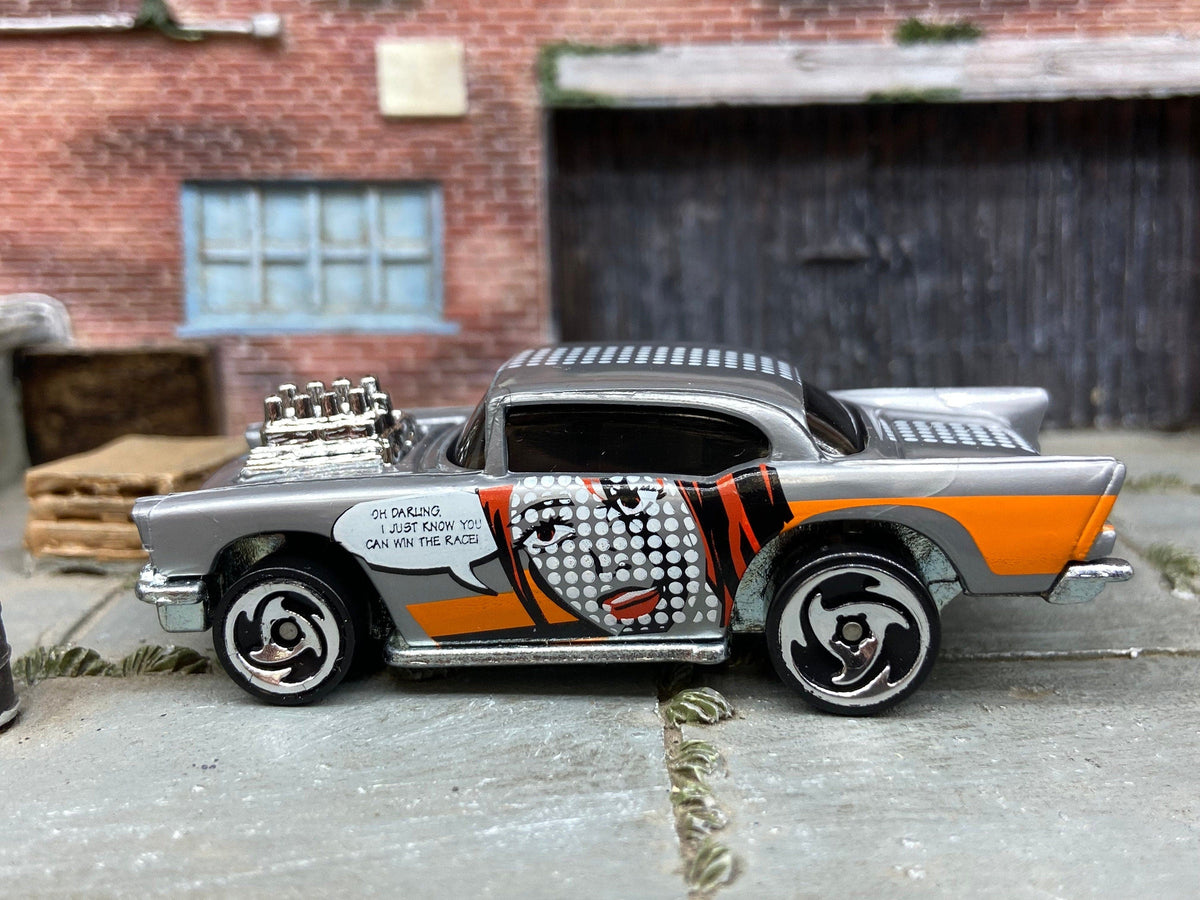
For a child under three, begin with a vehicle whose manufacturer's stated age range includes that child's age. Then check the complete parts, present condition and care instructions. A toy marked 3+ or an adult collectible does not become an under-three toy because its body feels sturdy.
The opening photograph shows a loose Hot Wheels 1957 Chevy with silver-and-orange decoration. No package age information is visible. It is a useful reminder to identify the exact product before judging suitability from its appearance.
Match the exact age range
The U.S. Consumer Product Safety Commission advises following package age guidance and other safety information, choosing toys that match the child's interests and abilities, and keeping toys with small parts away from children under three. Read the whole package and instructions, including the guidance for any accessories.
A manufacturer example shows what a specific age range looks like: Mattel's support page identifies the Fisher-Price Little People Wheelies Vehicle Assortment, GMJ18, for ages 18 months to five years. These are push-along vehicles with built-in driver figures; each vehicle and the separate playset are sold separately. The range begins at 18 months, so it does not cover a younger child. Use the exact product number and supplied instructions when comparing a particular vehicle.
A brand name covers many products. An age range for one Wheelies assortment does not apply to every Fisher-Price toy, just as the Hot Wheels name does not make every car suitable for the same child.
What a useful durability check covers
Durability is about how a product holds up to its intended use. A heavy body, large wheels or a wooden construction cannot establish that on their own. Before buying, make these four checks:
- Identify the complete product. Record the maker, model number, age range and included parts. Ask about removable loads, figures, wheels and other accessories, rather than judging only the main vehicle.
- Inspect its current condition. Look for damaged wheels or axles, loose components, cracks and sharp exposed damage. If it has batteries, check that its required compartment cover and fasteners are intact.
- Consider the intended action. Compare the grip and controls with what the child can comfortably use. A simple push-along car and a vehicle with a launcher or removable load ask different things of the child.
- Find the care instructions. Confirm the cleaning method and what the manufacturer says to do about damaged or missing parts. Keep that information with the product number and purchase record.
CPSC explains that products intended for children under three are banned when small parts create a choking, aspiration or ingestion hazard. Pieces that break away during use-and-abuse testing can count. A home size comparison or an improvised pull-and-twist test cannot certify a toy. Avoid treating chewing, throwing or repeated impacts as a household durability challenge.
Clean and inspect the specific model
Follow the maker's cleaning method. A washable description does not automatically mean dishwasher-safe, and instructions for a simple vehicle should not be transferred to one with sound, lights or a battery compartment. Use the recommended method, inspect afterward and allow the toy to dry as directed.
Stop using a vehicle with loose wheels, broken parts, sharp exposed damage or a compromised battery cover. Ask the manufacturer about the appropriate next step. Adding glue, a coating or a solvent treatment to disguise damage does not establish that the toy is ready to return to toddler play.
Check secondhand cars and the shared play area
For a used vehicle, establish the exact name and model number, obtain the original age and care guidance, and check current CPSC recalls. Confirm that all required parts and covers are present. If the identity or instructions cannot be established, choose a product whose intended use you can verify. A seller's “vintage,” “rare” or “good condition” label does not answer those questions.
Use the surface and environment permitted by the manufacturer. For floor-level play, clear walking routes and keep the activity away from stairs. Keep older children's small cars, removable accessories, replacement wheels and model-building tools in separate storage. Recheck a shared room after those items have been used there.
For an older child, the realistic toy-car guide compares familiar vehicle details, age labels and play activities. MM's finished custom cars are separate hobby offers: modified paint, wheels or other parts require their own evaluation and do not inherit a toddler-use claim.
Three catalog photos that show why product type matters
These are category references, not recommendations for children under three. Their actual packages and formats help explain why a truck shape, small car or metal construction cannot answer the age question.
GreenLight Iron Eagle: an adult collector model

This 1:64 GreenLight 49150E is currently sold out at MM and remains here as a reference. Its photographed Kings of Crunch package says Adult Collectible. Inspect the Iron Eagle collector package to see the intended category rather than treating its rubber tires as evidence of toddler suitability.
Metal Earth MMS216: a kit to build

The maker identifies MMS216 as a three-sheet kit of Moderate difficulty for ages 14+. Its package also shows the 14+ mark. Review the MMS216 kit and package to distinguish an assembly project from a vehicle intended for a toddler to push along. Completing the model does not change its stated age guidance.
Hot Wheels HW Warp Speeder: a small carded car

MM lists this pink-and-white HW Warp Speeder as a carded Treasure Hunt. Before considering a small car for an older child, read the full age label and warnings on its actual package. Inspect the Warp Speeder card and blister; a collector series name or attractive color does not establish an under-three use.
Questions before buying
Is a metal or wooden vehicle always more durable?
Material alone cannot establish durability or age suitability. Compare the complete construction, moving parts, intended use and care instructions for the exact model. A large main body can still be accompanied by small accessories.
Can adult supervision replace the age label?
Follow the manufacturer's age guidance as written. An adult watching does not turn a 3+ toy, an adult collectible or a hobby kit into a product intended for children under three.
What should I ask when buying a gift?
Ask the caregiver for the child's age, the kind of vehicle play they enjoy, any younger children sharing the space and practical cleaning or storage needs. Choose an identifiable product with clear instructions rather than an unverified mixed lot.
The toy-car standards checklist develops the product-record and brand-claim questions. For identifying and organizing an older child's or adult's collection, return to the collector guides. Keep those collection choices separate from selecting the toddler's age-appropriate play vehicle.
Author: Mike Graves.

