

News
Ride-On Car Battery Drains Fast? Check Charging, Use & Service Needs
Short runtime is a symptom, not a battery specification.
Start with the exact ride-on model, installed battery, approved charger and use history. A larger advertised capacity or matching voltage does not automatically establish a safe replacement. The goal is to give support a useful record without changing the original electrical system.
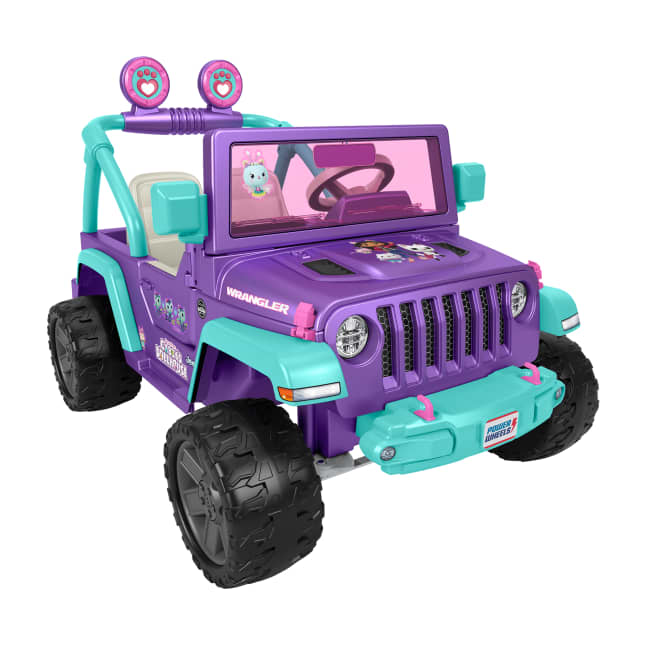
The featured manufacturer image shows Power Wheels Gabby's Dollhouse Jeep Wrangler, item HPX71, as a representative ride-on—not an MM stock offer or a claim that this model has a runtime defect. MM's model-car example below is not a ride-on battery, charger or replacement recommendation.
Stop first if there are signs of damage
Stop use and obtain manufacturer guidance for a damaged, leaking, swollen or unusually hot battery, damaged wiring or burning odor. Keep the child away from the equipment. Do not continue driving to see whether a suspicious condition worsens, bridge contacts or bypass a fuse or thermal protector.
Leave internal electrical investigation to the appropriate service provider. A consumer checklist is not a repair manual and should not become an improvised voltage, motor or wiring upgrade.
Identify all three parts of the power system
Photograph the vehicle model label, battery label and charger label as accessible under the product instructions. Keep the model number with the manual. Record any known replacement part or previous modification; a used vehicle may not still contain its originally supplied components.
Use the manufacturer's instructions matching that vehicle and battery chemistry. Two batteries with the same nominal voltage can differ in connector, protection, chemistry and approved charging arrangements. Physical fit is only one compatibility question, not approval.
| Question | Record |
|---|---|
| Vehicle | Model number, age/load instructions and known alterations |
| Battery and charger | Exact labels and whether approved for this model |
| Charging | Initial or later recharge; observed completion under matching instructions |
| Use | Actual driving minutes, breaks, surface and permitted rider load |
| Behavior | Gradual slowdown or abrupt stopping; visible concerns already noticed |
| Storage | Last use and charging history, including periods left discharged |
Compare charging with the matching manual
Separate first-use charging, later recharging and storage maintenance. Record what actually happened instead of simply saying the charger was plugged in overnight. Check the manufacturer's completion indication and approved procedure; do not assume every charger uses the same indicator or elapsed time.
Mattel's Power Wheels support FAQ distinguishes initial and subsequent charging and warns about leaving a used battery discharged. That older FAQ is not a universal timetable for other ride-on systems. Follow the current instructions for the exact model, not a charging duration copied from a different product.
Measure driving time, not the length of an outing
An hour outside can contain only a few minutes of driving. In your log, distinguish powered driving from stops and record the surface, slopes and load within the vehicle's approved limits. Note whether the operating conditions changed from the earlier comparison.
Use observations from normal approved use. Do not overload the toy or repeatedly discharge it until it quits just to generate a test. A short-run complaint needs context, but does not justify a stress test outside its instructions.
Tell support whether the change was gradual or sudden
A gradual reduction over many uses, a problem after storage and an abrupt cutout during one outing are different histories. Report the pattern without assigning a cause you have not established. Battery condition, charging and vehicle service may need separate assessment.
For Power Wheels, Mattel directs owners to authorized service resources and notes that some parts require authorized installation. For other brands, use their matching support channel. Ask which replacement is approved, what the repair includes and how its warranty applies before buying a component.
A lighted collectible uses a different kind of power

This example explains why the words “car” and “battery” do not define compatibility. If you are actually seeking remote-control driving, read the separate toy RC versus hobby RC guide. If you want an unpowered collectible instead, browse loose diecast cars. Those are different purchases, not fixes for the ride-on.
Approve a repair, not an untested promise of more runtime
Keep the diagnosis and part approval attached to the exact model. A generic seller's longer-runtime claim is not evidence that a battery, connector or charger belongs in your child's vehicle. Retain the original records and the service recommendation so future charging and storage follow the repaired system's instructions.
A useful next step is supported by the usage record.
Identify the system, compare approved charging and use, and take the observed pattern to appropriate support. Do not raise voltage or defeat protection to compensate for a problem that has not been diagnosed.

