

News
Toy Car Smells Like Chemicals? What to Check Before Play
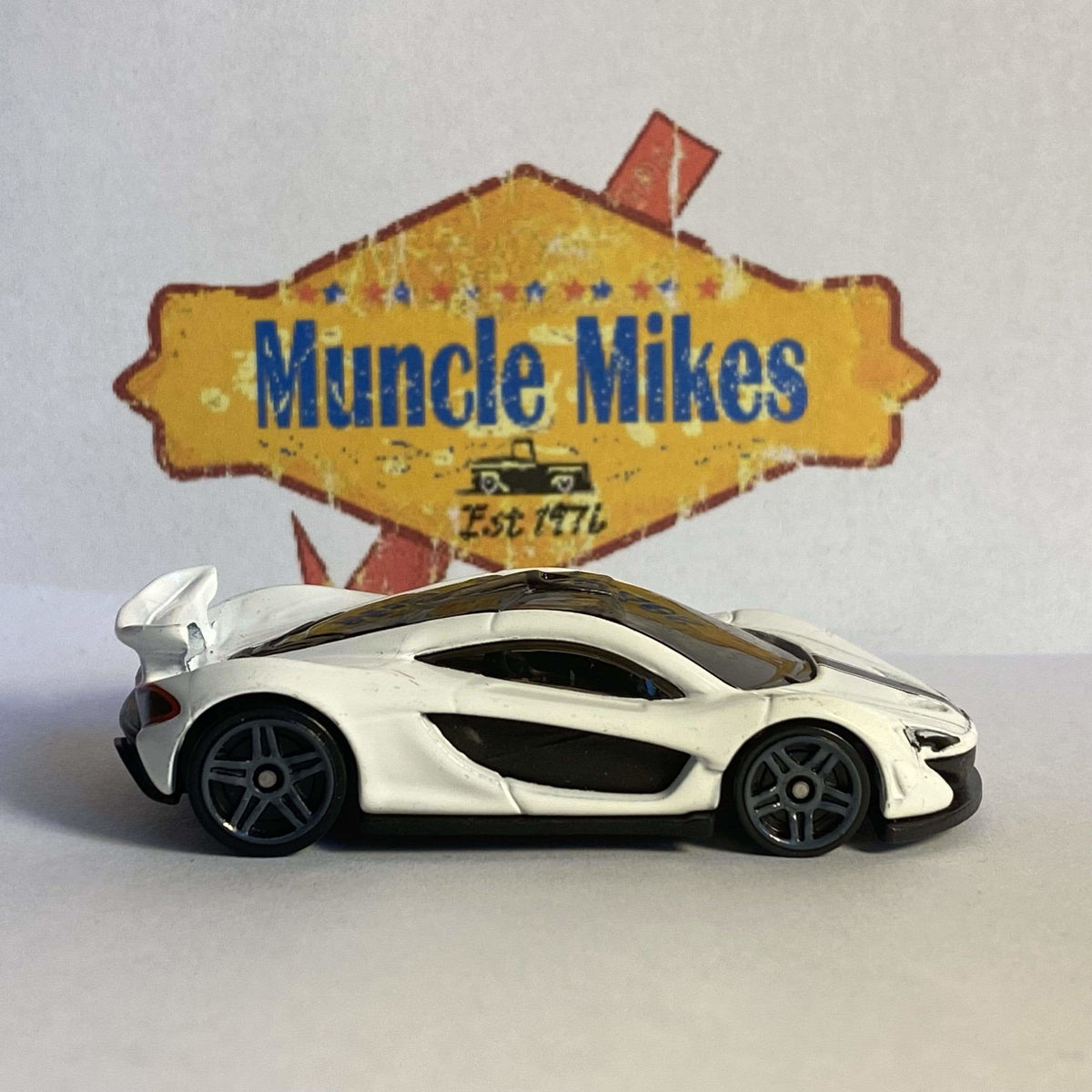
A strong or unexpected smell needs a product-specific answer.
Remove a concerning toy car from play while you investigate. Its odor does not identify a chemical, measure exposure or establish whether it is safe. “New plastic smell” is not a safety certificate, and a smell fading after a day or two is not a clearance test.
This guide helps you document the item and choose the right source of help. It cannot diagnose symptoms or assess an exposure. The featured white McLaren P1 is a representative loose diecast example. No odor or safety defect is claimed for this pictured car.
If someone may have been exposed, deal with that first
For suspected inhalation exposure, move to fresh air and contact Poison Control for case-specific guidance. In the United States, call 1-800-222-1222. Call 911 immediately for trouble breathing, collapse, a seizure or inability to awaken the person. Outside the United States, use your local poison service or emergency number.
Do not delay urgent help while identifying a casting or looking for a recall. Keep the product and packaging information available for the expert, but do not bring an odor-producing item close to someone's face to demonstrate the smell.
Record what happened without repeating the exposure
Write down when you first noticed the odor: opening the shipping box, removing retail packaging, taking the car from storage, using a powered function or charging a battery. Those contexts point to different support questions; none proves a particular substance was involved.
| Field | Useful detail |
|---|---|
| Identity | Manufacturer, toy model, product number, batch markings and purchase source |
| Timing | First noticed when; whether it occurred during operation or charging |
| Visible condition | Damage, leakage, loose finish or packaging residue already observed |
| Exposure | Who was nearby, what happened and symptoms; give this to a poison expert |
| Evidence | Packaging labels, actual-item photos and receipt without reopening or operating to reproduce the issue |
Keep the product out of use until its disposition is clear
Keep children and pets away from the item. Contact the seller or manufacturer with its identifiers and describe the observation neutrally. Ask whether it should be returned, examined, stored in a particular way or handled under a product notice. Follow any applicable recall instructions for that exact model.
If a powered toy has burning odor, visible battery damage or unusual heat, stop use and charging and obtain manufacturer guidance. Do not handle leaking material or attempt a wiring repair to identify the cause. Emergency services are the appropriate route for an immediate fire or other urgent danger.
Do not disguise the smell or turn care into a test
Heating, microwaving, solvent application and scented sprays are not ways to certify a toy. Do not mix cleaners or try a product on a child to see whether irritation returns. A surface treatment suitable for bare metal may be unsuitable for a complete car with paint, printed decoration, glazing and plastic parts.
Ordinary cleaning belongs after the concern is resolved, using the actual care instructions. The older-diecast cleaning guide is a collection-care resource, not an exposure remedy or chemical test.
Appearance documents identity, not ingredients


Age labels and collection categories still matter
Follow the actual package's age guidance and warnings, and keep small parts away from children under three. A vintage collector car or modified collectible is not automatically a suitable young child's plaything because its shape resembles a familiar toy.
For purchases, examine the description, actual photos and supplied packaging in loose Hot Wheels and finished customs. Neither a store category nor a reassuring product photo supplies a safety assessment for a different item.
The useful outcome is a clear decision, not a guessed chemical.
Prioritize exposure guidance when needed, retain the product record, and obtain a model-specific answer about return or continued use. Do not substitute an airing deadline or home experiment for that answer.

