

Plastic Model Guides
Gundam Kits: Choose a Build by Grade, Detail and Time
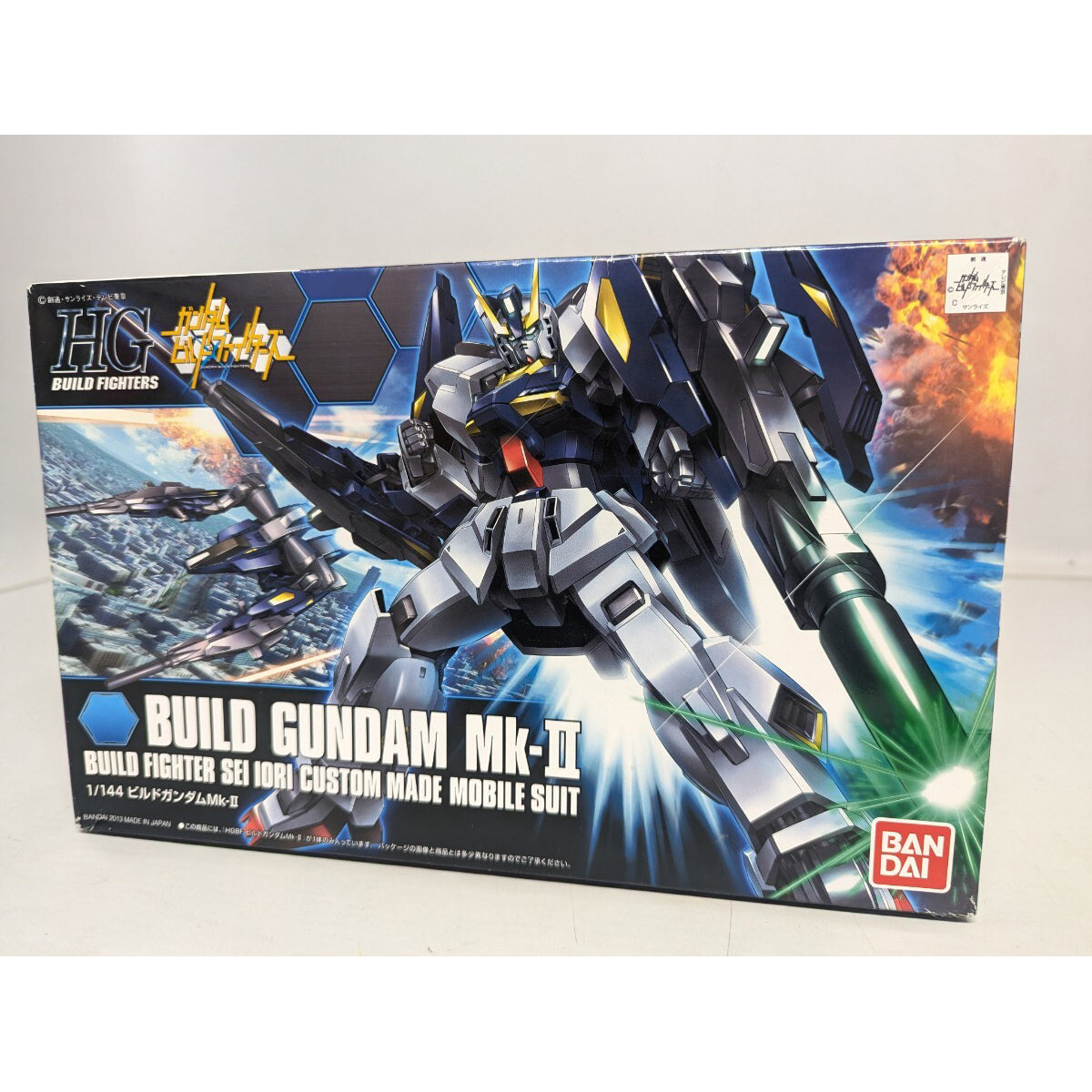
The best Gundam kit is not automatically the largest box or the most complex grade. It is the project that matches the build you want to complete. A clean weekend build, a highly articulated display model and a long painting project can all be good choices, but they ask for different time, tools and patience.
Use grade and scale as starting information, then read the exact kit listing. Parts count, color separation, decals, included weapons, stand requirements and articulation vary within every broad category.
Choose the project before the grade
Begin with one sentence: “I want a kit that I can finish cleanly,” “I want a detailed shelf centerpiece,” or “I want a model to paint and weather.” That goal keeps a famous grade label from making the decision for you.
- Quick clean build: favor straightforward construction, clear instructions and a manageable number of small parts.
- Posing project: compare joint design, weapon weight, hands and whether a display base is included or sold separately.
- Detail project: look for surface detail, internal structure, markings and room for panel lining or paint.
- Customization base: confirm compatibility before buying option parts, hands or a stand.
What grade tells you—and what it does not
Grade names organize broad product approaches, but they do not function as a perfect difficulty ladder. Entry Grade and High Grade often suit builders who want a direct path to a finished model. Real Grade can combine compact size with dense part separation. Master Grade usually provides a larger build and more room for mechanical detail. The exact release still matters more than a general rule.
For a first comparison of Entry Grade, HG, RG and MG, read Choose Your First Gundam Model Kit by Grade and Scale. This page focuses on planning the build after you understand those labels.
Plan the build in sessions
Do not judge the project only by total time. Divide it into repeatable sessions: inventory the runners, assemble one section, clean visible marks, test the pose and add optional finishing. A kit that feels too large for one sitting can become comfortable when the work has clear stopping points.
Keep the runner letter and part number visible until the part is installed. Clip with room to spare, then trim carefully rather than cutting flush against a finished surface on the first pass. If you plan to paint, test fit major assemblies and decide which joints or contact surfaces need to remain free of paint.
Read the box contents carefully
A Gundam-branded box may contain a full mobile-suit kit, an accessory set, hands, weapons or another option-parts product. The exact title and item number matter. Our Gunpla kits and option-parts guide shows how to separate a complete model from an accessory purchase.
Photographs may use a separately sold Action Base or display several compatible combinations. Confirm whether the support, effect parts and alternate equipment are in the contents list.
Match finishing work to your goal
A satisfying Gundam kit does not require every possible technique. You can stop after a careful straight build. Panel lining can make molded detail easier to read. Decals can add markings. Paint can change the finish or create a custom scheme. Weathering can suggest use and scale. Add one technique because it supports your goal, not because every build must include it.
When using paint, primer, cement or cleaners, follow the product label and safety instructions. Test combinations on spare runner material, work with appropriate ventilation and keep coatings away from flames and heat.
Gundam kit comparison checklist
| Check | Why it matters |
|---|---|
| Exact item number | Separates similar mobile suits, revisions and accessory sets |
| Grade and scale | Frames size and construction approach without replacing item-level details |
| Included equipment | Confirms weapons, hands, effects, stickers, decals and stand |
| Display footprint | Accounts for wings, shields, long weapons and dynamic poses |
| Finishing plan | Determines whether you need only basic cutters or additional paint and detailing supplies |
| Available sessions | Helps choose a project you can finish without rushing |
Build for completion, not comparison
A smaller or simpler kit completed cleanly often brings more satisfaction than a complicated box left untouched. Choose the Gundam kit whose next step is clear: open the instructions, identify the first runner and build one section at a time.
Before assembly, review how to read a Gunpla instruction sheet. For the broader hobby, continue with What Is Gunpla?

