

Plastic Model Guides
Model Kits Guide: Types, Scales, Skill Levels and Supplies
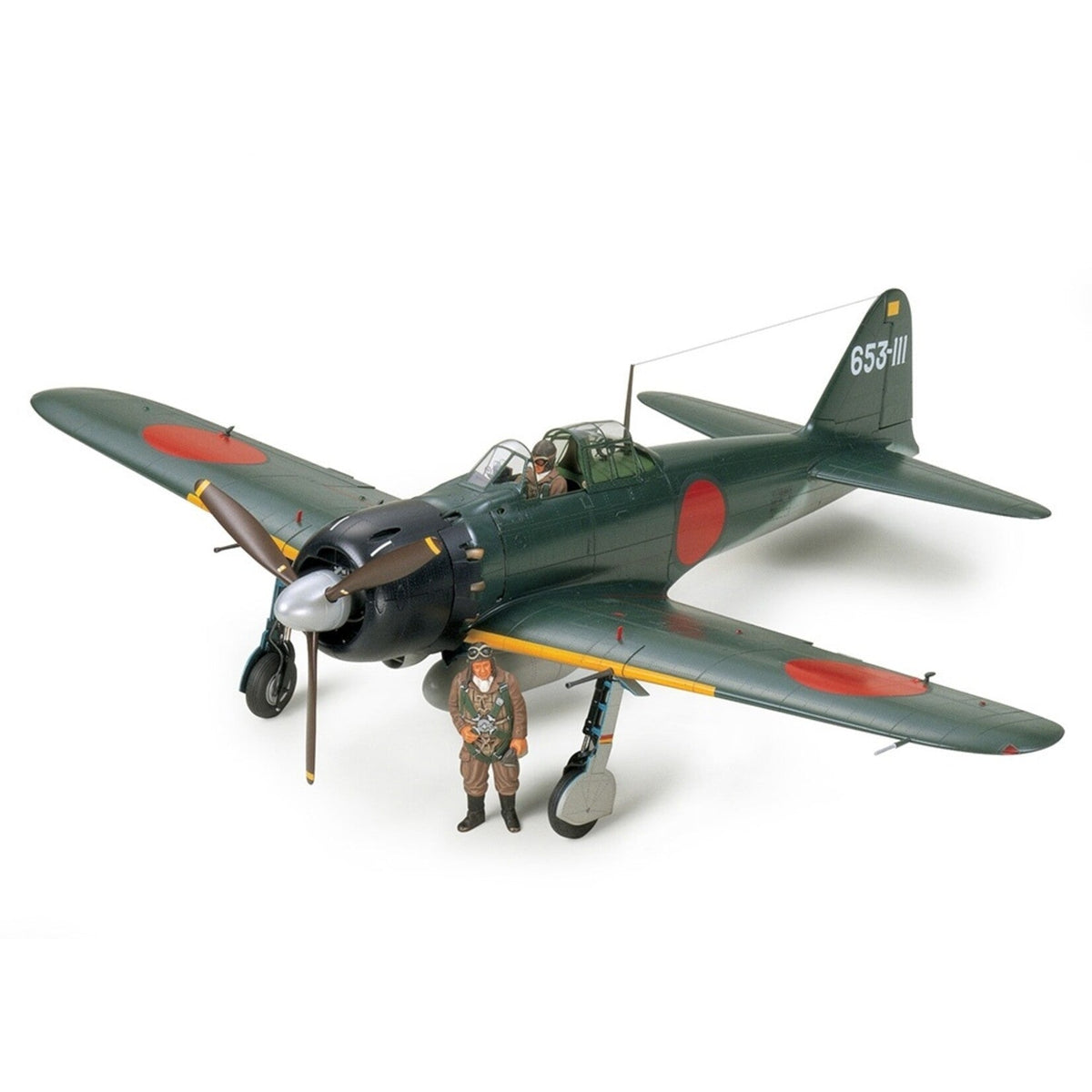
Model kits are not one hobby format. They include injection-molded plastic, snap-fit projects, steel tab-and-slot models, resin subjects, wood structures, multimedia kits, figures, cars, aircraft, ships, armor, trains, spacecraft, and licensed characters. The right category depends on how you want to assemble, finish, research, and display the subject.
This guide maps the category so each project can be compared by material, scale, skill demands, tools, and finish. Buyers ready to choose one first project should use the model kit beginner guide. The live Plastic Model Kits collection provides a broad public shopping destination.
Plastic model kits
Injection-molded plastic kits usually present parts on sprues and use cement, snap engineering, or both. They offer broad subject choice and support techniques such as seam work, priming, airbrushing, decals, washes, and weathering. Polystyrene kits are common, but not every part in every kit uses the same material, so adhesive and paint compatibility should be checked.
Plastic kits range from small starter aircraft to highly detailed cars and large ships. Brands and product lines differ in tooling age, engineering, instructions, and included features. Evaluate the exact kit rather than treating one manufacturer’s entire catalog as identical.
Snap-fit and press-fit kits
Snap kits reduce or eliminate adhesive by locking parts together. They can be excellent for beginners, younger builders with supervision, or anyone who wants a clean assembly-focused project. “Snap” does not always mean trivial; advanced snap kits can have many parts, tight tolerances, internal frames, and complex color separation.
Even when glue is optional, cutters, sanding tools, careful part removal, and touch-up may improve the result. Dry-fit gently because some locking joints are difficult to separate without damage.
Metal model kits
Metal Earth and similar kits use thin cut sheets, tabs, slots, folds, and curves. They require fine cutters and pliers rather than plastic cement and sprue work. The Metal Earth guide explains why shaping and tab control determine success.
Other metal kits may use cast, etched, or screw-assembled parts, so do not assume every metal project follows the same method. Read the material and assembly instructions.
Resin and multimedia kits
Resin kits can offer unusual subjects, low-volume production, and sharp detail, but they may require removing casting blocks, correcting warpage, filling bubbles, and using cyanoacrylate or epoxy rather than ordinary plastic cement. Resin dust requires careful control; wet sanding and appropriate protective practices may be necessary.
Multimedia kits combine plastic, resin, photo-etched metal, wire, rubber, wood, fabric, or turned parts. Each material has its own adhesive, preparation, and paint needs. These projects reward experience and planning more than raw part count.
Choose a subject category
- Aircraft: scale, wingspan, clear parts, landing gear, camouflage, and decal alignment. Use the aircraft model kits guide for a dedicated first-build path.
- Cars and trucks: body finish, chrome, glass, interior, stance, tires, and panel fit.
- Armor: tracks, running gear, surface texture, stowage, camouflage, and weathering.
- Ships: hull alignment, railings, rigging, deck detail, waterline or full-hull display.
- Figures: anatomy, seam cleanup, skin tones, fabric, eyes, and base presentation.
- Science fiction: surface detail, lighting potential, fictional references, and color interpretation.
- Structures: square walls, texture, windows, interiors, terrain integration, and scale context.
The subject determines the techniques. A mirror-gloss car body and a weathered tank use different paint preparation even if both are plastic. Choose the project whose core finish you want to learn.
Understand scale across categories
The same scale behaves differently by subject. A 1:72 fighter may be compact, while a 1:72 transport aircraft can be large. A 1:350 ship can still occupy substantial shelf length. A 1:24 car is manageable, while a 1:24 aircraft would be enormous.
Use finished dimensions, not scale alone. For aircraft, check length and wingspan; for ships, hull length and mast height; for vehicles, length and width; for figures, pose and base. Plan a display case before beginning a large project.
Skill level is multidimensional
Construction complexity includes part count, fit, alignment, fragility, clear parts, moving features, seams, and access. Finishing complexity includes color count, masking, decals, gloss, metallics, weathering, and clear coats. Research complexity includes prototype accuracy, era, markings, and configuration.
A kit can be easy to assemble but difficult to paint. Another can have complex construction but a single-color finish. Read reviews and instructions when available, but remember that older reviews may describe another tooling or edition with a similar name. Match item number and box art.
Build a supply plan by material
Create a kit-specific list: cutters, knife, abrasives, adhesive, filler, primer, colors, brushes or airbrush supplies, masking, decal tools, clear finish, and display base. Avoid buying every specialty tool before learning the project’s actual demands.
Paint selection also depends on method. The Vallejo paint guide separates brush-oriented and airbrush-oriented ranges, while the acrylic, enamel and lacquer guide compares broad chemistry categories.
Research without letting the project stall
Use references to answer specific questions: color, configuration, markings, weathering, or a visible feature. Choose a documented subject when accuracy matters, then stop research at a defined point. Endless reference gathering can prevent assembly.
A practical approach is to build the kit accurately to the chosen reference and record any uncertain interpretation. Hobby modeling should distinguish verified facts from artistic choices without demanding museum-level documentation for every enjoyable build.
Organize a collection of model kits
Unbuilt kits need dry, stable storage away from heat and crushing. Decals can age; clear parts scratch; boxes collapse under weight. Store heavy kits low, keep decals and instructions flat, and inventory item number, scale, subject, condition, and missing parts.
A collection plan can be by era, manufacturer, vehicle family, scale, theme, or technique. The Plastic Model Kit Clubs & Subscriptions collection represents another acquisition path, but a recurring product should still fit available time, space, and subject interest.
Frequently asked questions
Which model kit material is easiest?
There is no universal answer. A well-designed snap plastic kit is often approachable; a simple steel kit may require more precise bending; resin often needs specialized preparation. Compare the exact project.
Are more parts a sign of higher quality?
No. Part count reflects engineering choices and detail breakdown. Fit, accuracy, instructions, molding, and finish matter more.
Can different paint brands be used on one model?
Often yes, but layer compatibility, cure time, thinner chemistry, and clear coats must be tested. Use a scrap part or spoon before applying an unfamiliar combination to the model.
Muncle Mikes tip: Choose model kits by the experience you want—assembly, paint, history, display, or engineering—not by box size alone.

