

Plastic Model Guides
Vallejo Paint: Choose the Range, Primer and Thinner
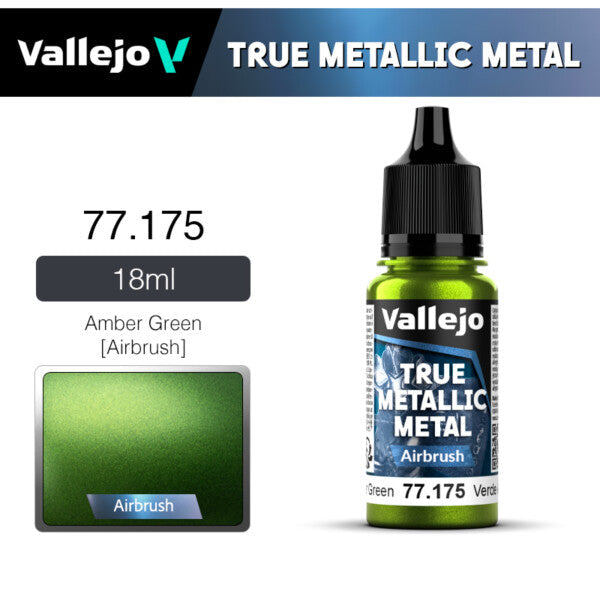
Choose Vallejo paint by its range, application method and exact color code. Model Color, Model Air and True Metallic Metal serve different painting jobs. A similar color name does not make two bottles interchangeable, and the Vallejo name alone does not tell you which thinner, primer or application settings to use.
Start with the Vallejo paint collection. Decide whether you will brush details, airbrush a broad surface or create a metallic finish before choosing the bottle.
Compare the range with the job
| Range | Useful starting point | What to check |
|---|---|---|
| Model Color | Brush painting and controlled detail work. | Follow the specific formula's guidance if you want to dilute it for an airbrush. |
| Model Air | Colors formulated for airbrushing. | Read the current bottle and range instructions for mixing, additives and application. |
| True Metallic Metal | A metallic finish with different products for the painting stages. | Match the complete code and the stated Light, Base, Shade or Airbrush version. |
A range name is more useful than guessing from bottle size. Packaging can change, so confirm the labeled volume on the exact listing when quantity matters. Keep the color code in your project notes so a later purchase matches the intended product.
A specific example: Amber Green Airbrush 77.175
Vallejo True Metallic Metal Amber Green, 18 ml

Vallejo 77.175 Amber Green Airbrush supplies one 18 ml bottle of metallic green acrylic paint. Choose it when you want that metallic color with an airbrush formulation. The picture shows the bottle and a color example; a model or painting tools are not included.
Vallejo's True Metallic Metal chart distinguishes 77.175 Airbrush from 77.135 Base. Confirm the full reference when following a tutorial or replacing a bottle. A color swatch on a screen is useful for orientation, but the surface preparation, application and lighting affect how the finished model looks.
Check the Amber Green bottle and current availability, or compare other colors in the Vallejo catalog.
Choose the surface preparation before the color
Inspect the kit material and remove the contamination described in its preparation instructions. A primer is part of a paint system: select one intended for that surface and compatible with the following coats. Follow its drying and curing instructions before masking or adding another product.
A metallic finish can make surface texture and uneven preparation more visible. Test the intended primer and color together on spare matching material before committing a visible panel. Do not assume every metallic paint needs a gloss-black base; use the directions for the exact range and finish.
Thinner, flow improver and cleaner are different choices
Thinner adjusts a paint for its supported application. Flow improver changes flow and drying behavior within the maker's guidance. Cleaner is for removing paint from tools. Treat each product according to its label rather than pouring in whichever clear liquid is nearby.
For Model Air, Vallejo publishes guidance for direct application and for adjustments with compatible additives. Follow the instructions for the bottle and formulation you have, then test with your nozzle and setup. Avoid a fixed mixing ratio for every Vallejo range. Excessive dilution can change coverage and control even when the additive itself is compatible.
Before changing paint systems, clean the equipment using products supported by both the paint and airbrush instructions. Follow the labels for ventilation and protective equipment; water-based paint still creates airborne mist when sprayed.
Build a useful sample before painting the model
Label a test with the paint code, primer, additive and application method. Apply controlled coats following the product directions, then assess the dried finish. If the result needs adjustment, change one variable at a time. Keep the sample so you can compare the next session with the result you intended.
If the project will receive decals, masking or varnish, include those stages in the test after the specified waits. A paint that looks good by itself has not yet demonstrated that the complete planned sequence works. The first airbrush test guide explains how to make that trial repeatable.
Questions before choosing a bottle
Can I use Model Color in an airbrush?
Vallejo provides airbrush-dilution guidance for Model Color. Follow the instructions for that formula instead of treating it as Model Air straight from the bottle.
Can I brush paint with Model Air?
Vallejo's basic-use guide includes brush application for small details. Its low viscosity still differs from a paint chosen primarily for brush work, so test coverage and control first.
Do matching color names mean matching products?
No. Amber Green 77.175 Airbrush and 77.135 Base demonstrate why the range and full reference matter. Use the exact code specified by your painting plan.
Return to Vallejo paints with your range and color code selected. For a broader project, continue through the Muncle Mikes Learning Center.

