

Hot Wheels
Follow Modern Hot Wheels Designers Through Their Projects
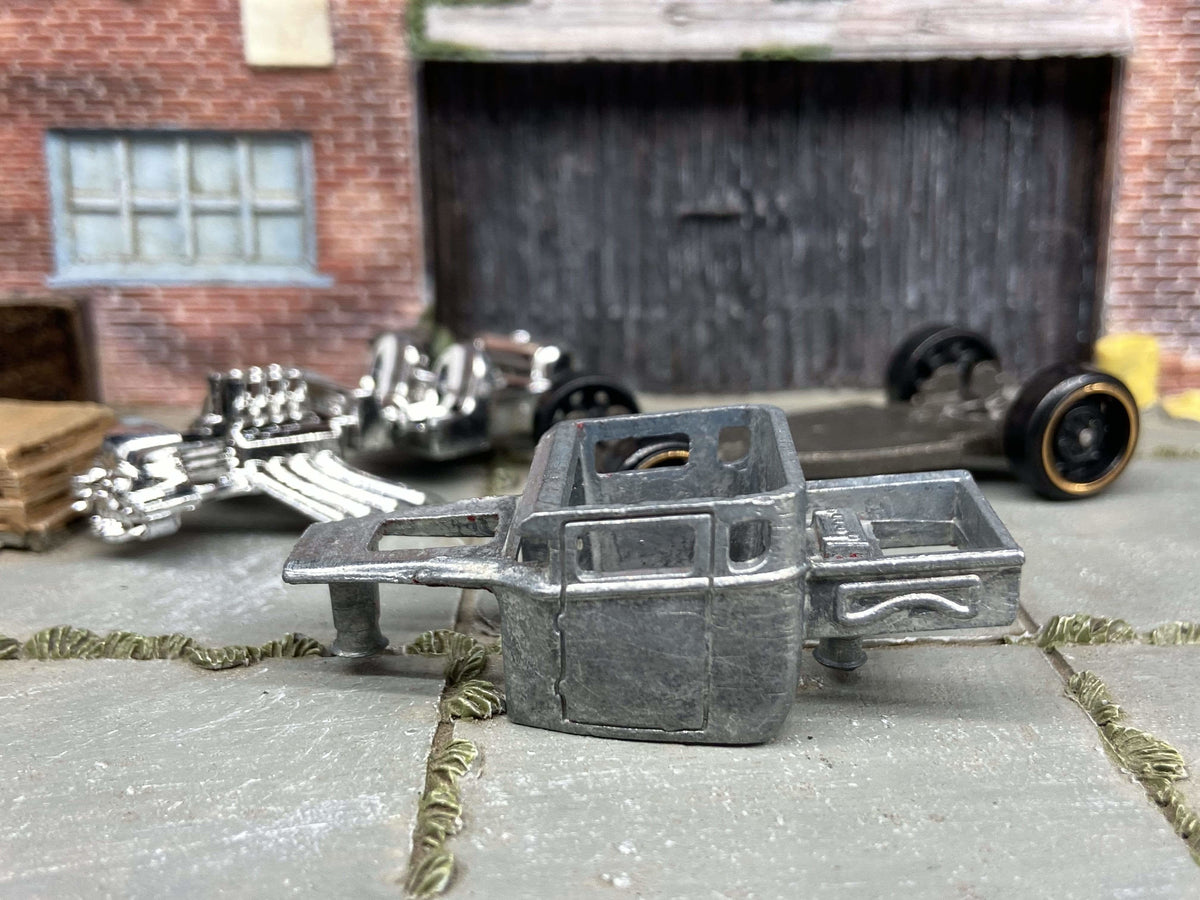
A collection built around modern Hot Wheels designers starts with a car you want to look at closely. Decide what attracts you: the shape of the miniature, its color and graphics, or a particular creator’s documented contribution. That choice tells you which details to compare and whether another edition adds something useful to your collection.
The project examples below connect Manson Cheung, Brendon Vetuskey and Steve Vandervate with work described by Mattel. They also show why the sculpting, vehicle-design and decoration credits deserve separate attention. The Bone Shaker kit in the opening photograph is a separate aftermarket project for trying your own ideas; it is not presented as their collaboration.
Manson Cheung: start with the shape that interests you
Mattel’s February 2024 Creator Stories profile describes Manson Cheung as a Hot Wheels sculptor and collector. It connects his enthusiasm for the Back to the Future DeLorean with a Hot Wheels version appearing in 2010. That dated account offers a specific starting point for exploring his work.
For a collection focused on shape, compare side and elevated views. Look at the roofline, cabin proportions and transition from the hood to the windshield. A new color may make those features easier to see, but it does not automatically represent a new body design. Keep the edition you are considering separate from the project named in a profile.
Vetuskey and Vandervate: look at the treatment of a particular release
Mattel’s behind-the-design page for the Custom El Dorado names designer Brendon Vetuskey and graphic designer Steve Vandervate. It describes a two-tone combination of Spectraflame Pink and a white roof. The example connects two different roles with a particular presentation of a classic casting.
If the finish is what draws you in, compare where the colors meet, which body details remain visible and how the wheels work with the overall appearance. An appealing recolor can be a worthwhile addition for that reason. Attribute the contribution described for that release; the same credit does not establish who created every earlier version or illustrated its package. The guide to collecting Hot Wheels card art takes a closer look at package design and artist credits.
Choose what the next car should add
| Your focus | Compare before buying | A useful reason to add another car |
|---|---|---|
| The sculpted form | Body proportions and details from similar viewing angles; visible damage to the areas you want to study. | A different body design or a clearer example of the shape, rather than a color change you do not particularly want. |
| Color and decoration | The exact finish, stripe placement, wheels and condition of the offered edition. | A treatment that changes how the same body looks in your display. |
| A named contributor’s work | The person’s documented role, the identified release and the actual item’s matching details. | A supported example of that contribution. A familiar model name or a signature alone is not enough to establish the credit. |
You can combine these approaches. For example, one car may show a body shape clearly, while a second earns its place through a finish you particularly enjoy. Decide that before shopping so you can compare two offers on what matters to you, including any worn graphics, marked windows or missing packaging.
A DeLorean example for comparing shape and decoration
Hot Wheels DMC DeLorean — dark blue and black, loose
This MM example has an angular roofline, a black hood panel, light-colored side stripes and white wheels. The elevated photograph lets you see how the decoration follows the body. The gallery also shows visible marks on the glazing, so include that surface condition in your decision.

The offer is a loose car without its original card or packaging. The listing does not identify this edition as the 2010 project discussed above. If you want it for a collection of Cheung’s documented work, establish the exact release and contribution before treating it as a match.
For other examples, browse loose Hot Wheels by the actual model, finish and condition. Open each listing to check current availability. A car that suits a visual theme can be a good choice without filling a specific designer-credit entry.
Try a color idea on your own project
Studying a finished release and creating your own decoration are different ways to enjoy design. If you want to experiment, choose a prepared kit whose body gives your idea room to work. On this Bone Shaker Rat Rod Pickup, the cab, open bed and exposed engine create distinct areas to consider. Sketch a simple color arrangement before committing to paint.
Bone Shaker Rat Rod Pickup DIY kit
MM’s kit supplies a stripped casting for painting, detailing and reassembly. It uses a click-together design; model glue is optional for extra hold. Custom wheels are sold separately, and interior, window and original wheel colors may vary. Check the listing’s components before planning the finished look.


Compare other body shapes in the prepared Hot Wheels DIY kit selection. The first-build guide explains the fitting, painting and reassembly sequence. When showing your finished custom, name the original model and describe the paint, details or parts you changed so others can distinguish your contribution.
Questions when collecting a designer’s work
Does a name associated with a casting apply to every later release?
Check what the source actually credits. A later edition can involve a different contribution to decoration or presentation. Keep the person, role and identified project together; do not extend one credit to every recolor, retool or package.
Do I need every color of a model to build a useful collection?
No. If you mainly enjoy the body shape, one example you like may be enough. If your interest is decoration, another finish can add a worthwhile comparison. Choose the versions that support your theme and inspect their actual condition before buying.
Does a signed car establish who designed it?
Treat the autograph and the design credit as separate claims. Confirm who signed the object and separately check what work that person is documented to have done. Keep the signature’s circumstances with the item without changing its design history.
Can I use the kit photographs to choose replacement wheels?
Use them to consider appearance, then check the chosen parts’ dimensions against the actual kit. Wheel diameter, width, axle fit and body clearance affect the result. The pictured style and a shared Hot Wheels label do not guarantee a replacement will fit.
Return to Collector Guides for more help identifying releases and organizing the models you choose.

