

Hot Wheels
Adult Hot Wheels Collecting: Start With a Focus, Not Market Hype
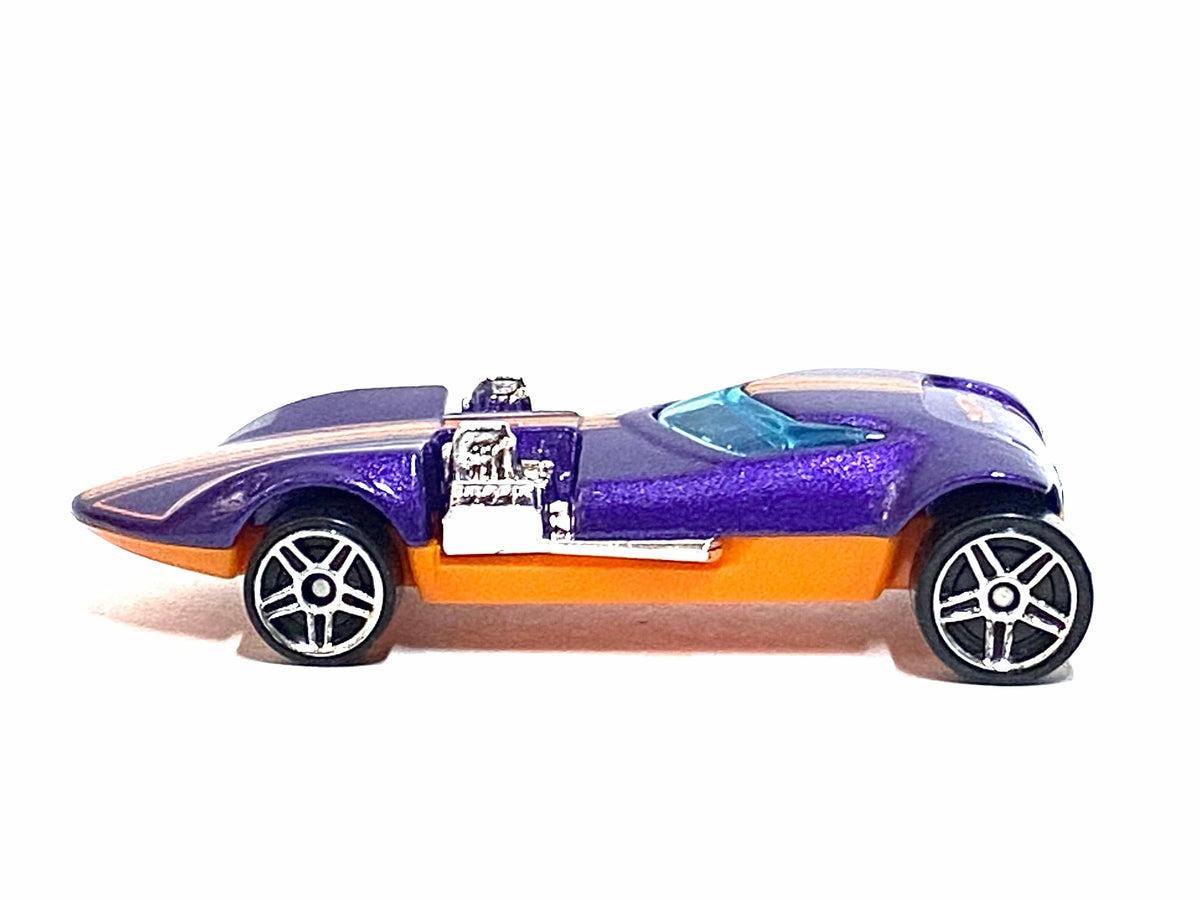
An adult Hot Wheels collection can start with one car you genuinely enjoy. Choose a favorite vehicle, design or memory, then decide which versions belong in the collection. You do not need a rare chase or a resale plan to make the hobby worthwhile.
What the adult-toy data actually establishes
Circana reported that U.S. toy spending for recipients aged 18 and older rose 12% in the first quarter of 2025 compared with the same quarter in 2024, making adults the fastest-growing age group in that measurement. This covers toys broadly; it does not establish the growth rate of Hot Wheels collectors alone.
Use market information as context, not a reason to buy a model you do not want or to expect a particular future price.
Choose a collecting rule you can explain
Possible starting points include one casting in selected colors, the miniature of a car you owned, a small group of work trucks or a display of fantasy designs. Set a boundary before browsing so every appealing new release does not become a compulsory purchase.
Write a short wanted list with the actual model and format. Separate an exact edition from a general wish such as a red sports car.
Choose loose, carded or customized
Loose cars suit a display where the vehicle is the focus. Carded collectibles add package artwork and its condition to the purchase. Finished customs offer disclosed aftermarket changes.
The pictured purple-and-orange Twin Mill is one individually listed modern example, not a promised vintage original or track winner.
Build a record while the details are available
Save the listing, receipt and clear photographs. Record the casting, edition, condition, packaging and known modifications. A purchase price belongs in its own field, separate from any later value assessment.
Check duplicates before ordering. Two cars with the same body can be different releases, while two differently worded seller titles can describe the same edition.
Make the budget include the whole hobby
Count delivery, display space and any project supplies alongside the cars. A DIY kit is not the full cost of a custom build when compatible wheels or tools are separate.
Choose a comfortable stopping point for each buying session. An unfinished checklist can remain unfinished; completeness is not a deadline imposed by someone else's collection photograph.
Keep enjoyment separate from valuation
For a significant collectible purchase, compare the same edition and condition using the completed-sale research guide. A market trend or a famous casting name is not a guarantee of profit. Buy the actual example that fits the collection you want to build.
Set a first-month collecting boundary
Choose a comfortable total budget and one theme before browsing. For a casting theme, specify whether a changed color counts as a wanted variation. For a memory-based theme, write the connection you want the miniature to represent. That decision can make an ordinary loose car a better fit than a much-discussed special edition.
After the first few purchases, review what you actually enjoyed: examining the cars, keeping the cards, photographing details or building customs. Adjust the rule from that experience rather than from the largest collection you saw online. Put unresolved identities on a research list, not an urgent buying list. A useful collection boundary makes room for learning without promising completion or appreciation.
Photographs for the comparison


