

Hot Wheels
Meeting Hot Wheels Designers: Questions, Signatures & Collection Records
A conversation with a Hot Wheels designer can add context to a car you already enjoy. Choose a model with a meaningful connection and ask about the work behind it. The experience need not depend on a signature's resale value.
Why the connection matters to fans
In NHRA's 2026 interview, Larry Wood describes his surprise at autograph requests and says he especially enjoys hearing that his work inspired people to become artists or hot rodders. That is his account of the connection with fans, not a survey ranking every designer's popularity. Read Wood's interview.
For a collection, the interesting story can be the design decision or memory attached to a car rather than simply the number of signatures on its package.
Choose a specific question
Ask what feature was important to preserve, which part changed during development or how the miniature related to a full-size reference. A focused question makes better use of a brief encounter than asking for an entire career history.
Confirm the person's actual role before attributing a casting to them. Original vehicle design, toy design, graphics and later revisions may involve different contributors.
Check the event's current rules
Use the organizer's official information for attendance, signing limits and permitted items. A past appearance does not guarantee that the person will attend another event or sign every object presented.
Prepare the chosen item without altering or opening a collectible unnecessarily. Respect the time and preferences of the designer and other attendees.
Record what was signed
Note the date, event, person and exact object. A signature on a protector is different from one on the original card, and neither should be described as a signature on the car itself.
Keep permitted photographs, tickets or other event records with the item. Obtain consent before recording a conversation, and separate your own notes from statements the designer actually made.
Keep design credit and value separate
A signature does not prove that the signer created the first version of that casting. It also does not establish a fixed price increase. An item can have strong personal meaning even when no comparable sale exists.
For a purchase represented as signed, inspect the supporting history and exactly what the seller promises. Use the completed-sale guide for a value comparison, not an assumed autograph multiplier.
Build around the design you enjoy
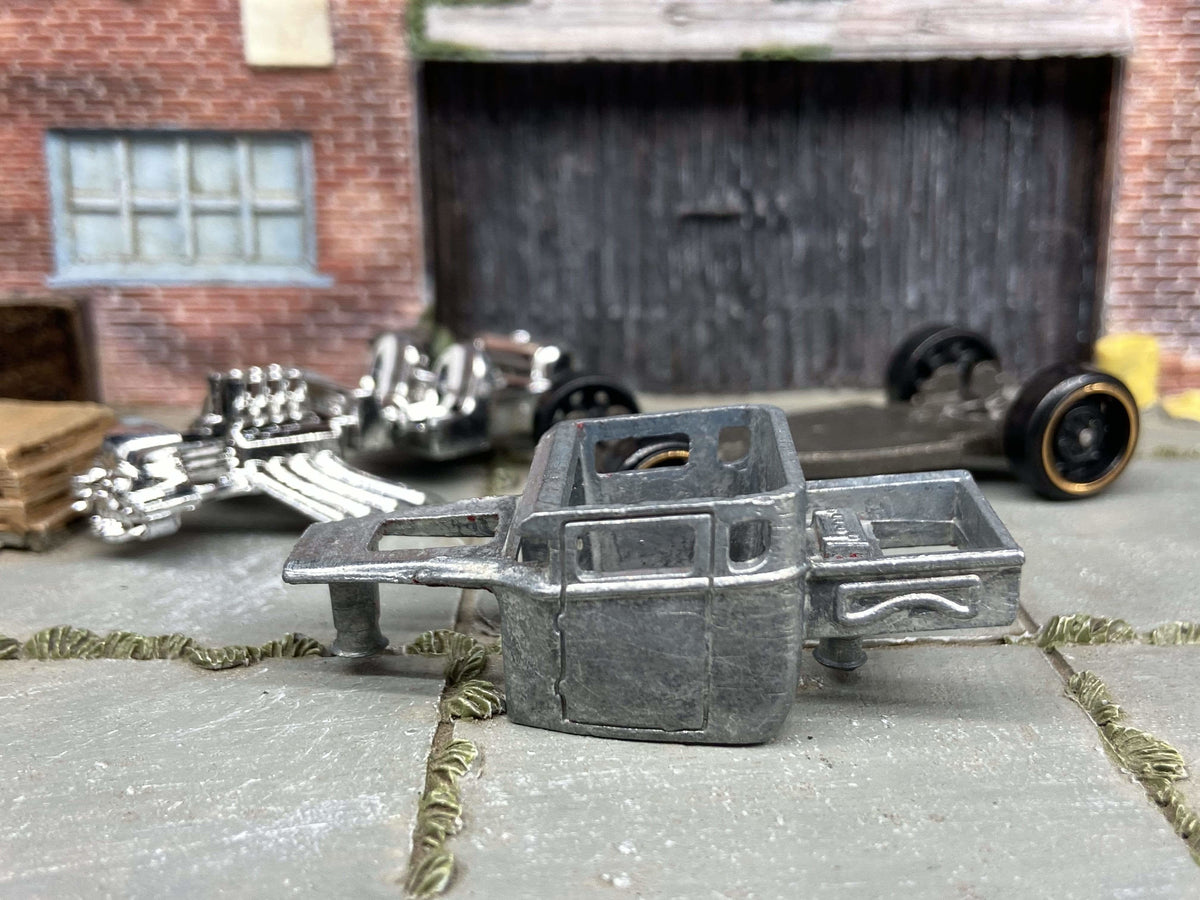
Explore the designer reference guide and choose an actual release from loose cars or carded collectibles. The Bone Shaker donor in the header is an aftermarket project offer, not a signed or designer-owned artifact.
Use actual cars as prompts for documented designer research

Design legacy
Twin Mill — purple & orange
A later Twin Mill release that keeps a signature Hot Wheels design name in circulation.

Modern chase collectible
2024 Mercedes 560 SEC AMG STH
A modern Super Treasure Hunt showing a very different collecting format from earlier decades.
Prepare one focused question and one backup
A designer line moves better when each collector arrives ready. Research the exact casting or project from reliable credits, then ask about a decision the designer can reasonably discuss: an inspiration, proportion, engineering compromise, decoration choice or path from sketch to production. Avoid opening with a long personal history or demanding confidential information about unreleased work.
Keep a backup question in case the first is outside the guest’s role. “What visual cue did you most want to preserve?” is more specific than “What is your favorite car?” A short question also leaves room to hear the answer and lets the next attendee have a fair turn.
| Before the event | At the table | Afterward |
|---|---|---|
| Read event rules, signing limits, approved objects and photography policy. | Ask consent before recording, photographing or placing an item on the table. | Write the date, venue, signer, item and context while memory is fresh. |
| Choose a clean, stable signing surface and a tested archival-safe pen appropriate to it. | State where you would like the signature, then accept the signer’s preference. | Allow ink to cure; store the object so the signature does not rub or transfer. |
| Protect the item in transit and bring a backup object that also follows the rules. | Do not block the line for authentication, value opinions or extra unapproved signatures. | Keep event material or a photo only when permitted; do not fabricate provenance. |
Treat consent and event rules as part of the collection record
A ticket does not automatically authorize audio, video, close photography or publication. Ask the organizer about the general policy and the person before recording. If consent is not given, take written notes later from memory and label them as your recollection rather than a quotation.
Some guests or events restrict inscriptions, paint markers, oversized items, multiple signatures or commercial submissions. Follow those limits even when another attendee appears to receive an exception. A respectful interaction is more important than completing a planned display exactly as imagined.
NHRA’s July 3, 2026 interview with Larry Wood documents how design history can be preserved through a careful conversation: it covers his 1969 Mattel start, work connected to the Snake and Mongoose vehicles, early designs such as Tri-Baby, and the distinction between design, engineering and brand history. Use that as a research model, not as permission to repeat unattributed stories or corner a guest for an interview.
Create provenance without inventing authentication
- Photograph the item before signing.
- Record the event’s official name, city and calendar date.
- Write the signer’s full name and documented relationship to the object.
- Describe the ink color, location and any inscription.
- Retain permitted ticket, program or receipt evidence with the record.
- Photograph the completed signature after it is dry.
- Note any gaps: no photo, secondhand acquisition or uncertain attribution.
A personal photo and event note support your ownership story; they do not automatically create third-party authentication or a guaranteed price. A signature can add personal meaning while condition, authenticity, demand and comparable sales remain separate market questions.
Do not confuse the casting, release and designer credit
A long-running name such as Twin Mill can have many later colorways. The current purple-and-orange loose Twin Mill below is useful for discussing design legacy, but the listing alone does not prove who designed that specific release or every production decision behind it. Likewise, a 2024 Super Treasure Hunt Mercedes is a modern licensed release; this article does not assign it to an individual designer without an official project credit.
Label the exact object first, then add only supported design credit. If you cannot verify the person’s role, ask an open question or leave the credit field blank.
Value caution: never promise that meeting a designer or obtaining a signature will increase resale value. Preserve the story honestly and let future market evidence stand on its own.
Return to the Hot Wheels hub, read the designer research guide, or browse individually photographed loose cars.

