

News
Hot Wheels Casting Quality: Ten Checks Beyond the Hype
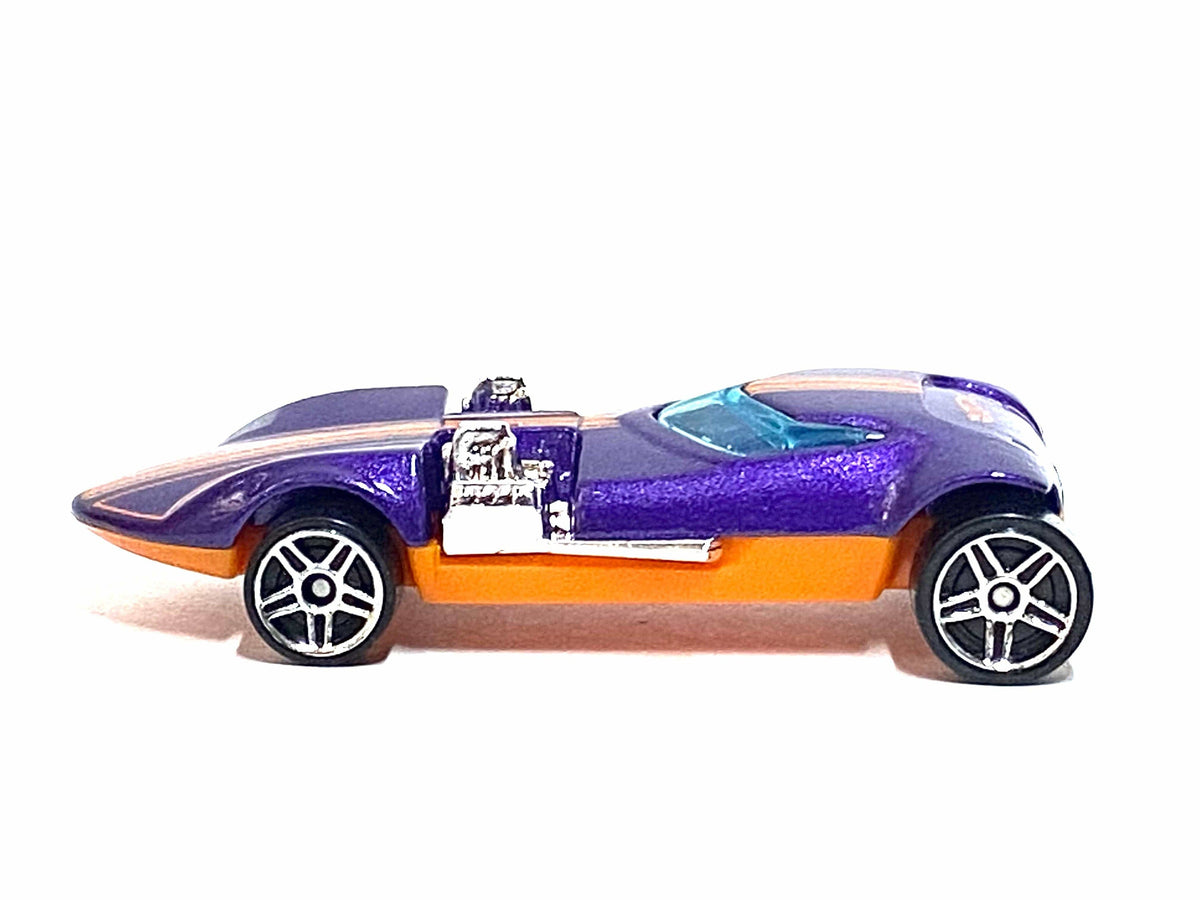
Replace “overrated” with observations you can document.
Calling a popular casting good or bad without a method tells a buyer very little. Evaluate the exact release and physical example. Body design, factory assembly, later damage and suitability for your purpose are separate questions.
Ten checks for the car in front of you
| Check | Useful observation |
|---|---|
| 1. Identity | Confirm casting, release, series and visible markings. |
| 2. Intended design | Separate a licensed replica from a fantasy or deliberately stylized car. |
| 3. Molded detail | Inspect lines, openings and features that matter to your display goal. |
| 4. Surface | Record rough areas, chips, scratches and wear without guessing their cause. |
| 5. Decoration | Compare the actual print and finish with the identified release. |
| 6. Glazing and interior | Check alignment, damage and missing parts. |
| 7. Wheel seating | Observe wobble, uneven spacing, tire contact and free rotation. |
| 8. Assembly | Inspect base fit, posts, axles and disclosed repairs. |
| 9. Working features | Operate only features documented for that exact product. |
| 10. Fitness for purpose | Test the actual shelf, case, track or custom plan. |
Keep preference, condition and assembly separate
An exposed engine, exaggerated wheel opening or unusual roofline may be intentional styling rather than a fault. A licensed street car and a fantasy racer should not be judged against the same reference. If accuracy matters, identify the full-size vehicle and exact version before comparing proportions.
A bent axle on one used car does not prove the body mold is flawed. Paint wear does not establish a factory defect unless the item's history and a broader sample support that conclusion. Photograph what you see and use limited language: “this wheel rubs” is stronger evidence than “this casting always rolls badly.”


Test rolling quality under controlled conditions
Use a stable, clean lane and a repeatable gate. Watch whether the car drifts, wobbles, rubs or stops. Repeat the run and compare another car without changing the course. Speed, straightness and wheel spin are different observations; one lucky pass should not decide all three.
Track performance also depends on joints, slope, lane walls and release. If a car performs differently after the lane changes, investigate the course before assigning a casting-wide flaw. Keep stock and modified cars in separate test classes when wheel, axle or weight changes are allowed.
Write a useful condition note
Record the exact car, viewing angles, lighting and test setup. Describe visible facts before interpretation. If the item is for sale, disclose modifications and show the base, wheels, front, rear and both sides. Do not use a precise quality score unless you also publish the scoring method.
For a donor project, measure axle length, wheel diameter, tire width and body clearance before purchasing parts. A new wheel style cannot correct an unidentified surface problem, and a custom should not be represented as an untouched factory variation.
Evidence beats positive or negative hype.
Inspect one identified release with a repeatable checklist. The result should help a buyer understand this car—not manufacture a universal ranking.

