

News
Why Toy Cars Cost More in 2026: Evidence & Buying Choices
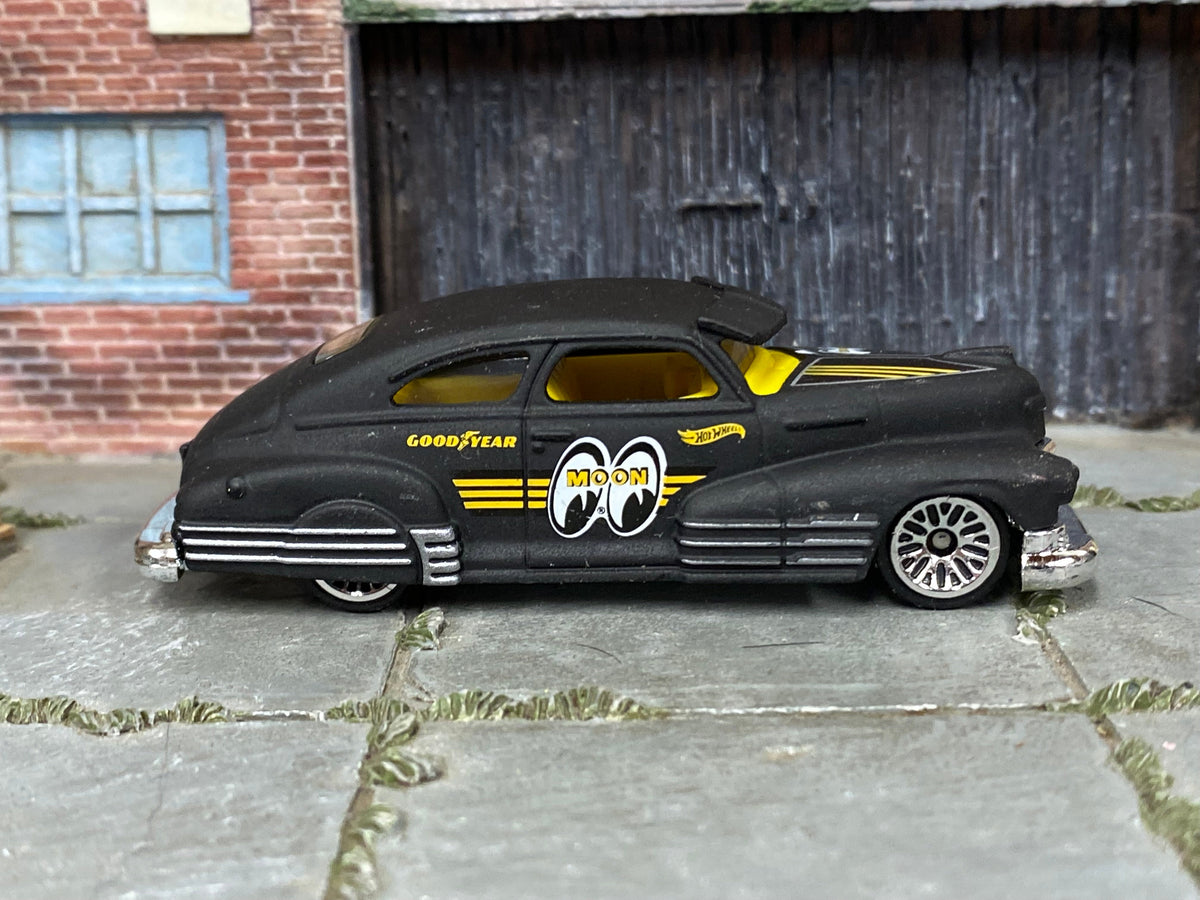
Identify the price change before explaining it.
A higher toy-car bill can reflect a higher price for the same product, a different release, more cars in a package, added features, shipping or collectible resale. Those are different comparisons. Start with the exact item and delivered total.
This article uses dated company reporting to explain documented pressures without inventing a per-car manufacturing formula. It does not claim that every retailer, brand or toy-car category increased prices equally in 2026.
What Mattel reported for the second quarter of 2026
In its second-quarter 2026 earnings release, Mattel identified tariffs, inflation, higher royalties and unfavorable foreign-exchange movements among pressures on gross margin. It also identified offsets, including tariff mitigation and cost savings. These are company-level results, not a bill of materials for an individual Hot Wheels car.
The report supports a limited conclusion: those pressures were documented in Mattel's business during that reporting period. It does not disclose each casting's manufacturing cost, prove a particular store's markup, or show that every expense was passed directly to shoppers.
A forecast or an old price in an article is not a current offer. For the product you want, check the current listing and checkout rather than applying a company-wide margin explanation to one asking price.
Compare like with like
| Comparison | Hold consistent | Keep separate |
|---|---|---|
| One item over time | Item number, edition, quantity and seller where possible | Promotion, condition, shipping and package changes |
| Two current sellers | Exact release and included contents | Delivered total, returns and item-specific condition |
| Basic versus premium | Your collecting goal | Different wheels, decoration, materials and packaging |
| Factory versus custom | The actual offer, not just the casting name | Disclosed labor, aftermarket parts and originality |
Save the date and evidence for both observations. If a newer multipack has more cars, a larger model uses a different scale, or a price now includes delivery, you have changed the comparison. You can still compare the purchases, but not call the difference a like-for-like single-car increase.
A percentage calculation is meaningful only after those controls. Use the original price as the denominator and disclose whether tax and delivery are included in both figures. Do not compare a sale price with a regular price and present the result as an annual market trend.
Product formats are visibly different


Retail prices and collectible resale are not interchangeable
An older release's asking price is a seller's offer, not Mattel's current suggested retail price. A high unsold listing does not establish a realized value or a market-wide increase.
For resale evidence, compare matching completed transactions: exact release, condition, packaging, known alterations and date. Keep delivery treatment and currency consistent. The sold-price guide explains why transactions are more informative than one dramatic asking price.
Scarcity and future appreciation should not be assumed from a higher price, an old date or a premium label. Buy within a budget even when the model is personally desirable.
Budget around the features you will actually use
If packaging is not part of your display, a clearly photographed loose car may meet the goal. If the factory edition and package matter, inspect carded offers. The premium-feature guide separates documented features from unsupported internal cost claims.
For a modified look, compare finished customs with a complete DIY plan. A donor car alone excludes tools, consumables and separate parts. Do not assume that every kit or subscription includes the wheel setup in an inspirational photo.
Use the delivered total, not a tempting unit average
Include delivery, applicable tax and required extras. With a mixed lot, divide the cost by the cars you actually want to keep if that better represents your decision. A lower cost per piece does not save money when it leaves unwanted purchases in the drawer.
Check promotion eligibility and current terms before adding items to reach a threshold. For historical comparisons, record the checkout evidence; for today's purchase, let the actual checkout establish the total.
A good purchase does not require a price-rise prediction.
Know the exact release, condition, included contents and delivered cost. Company reporting gives context; the offer in front of you decides what you are paying for.

