

News
Hot Wheels Weight Differences: How to Compare the Actual Cars
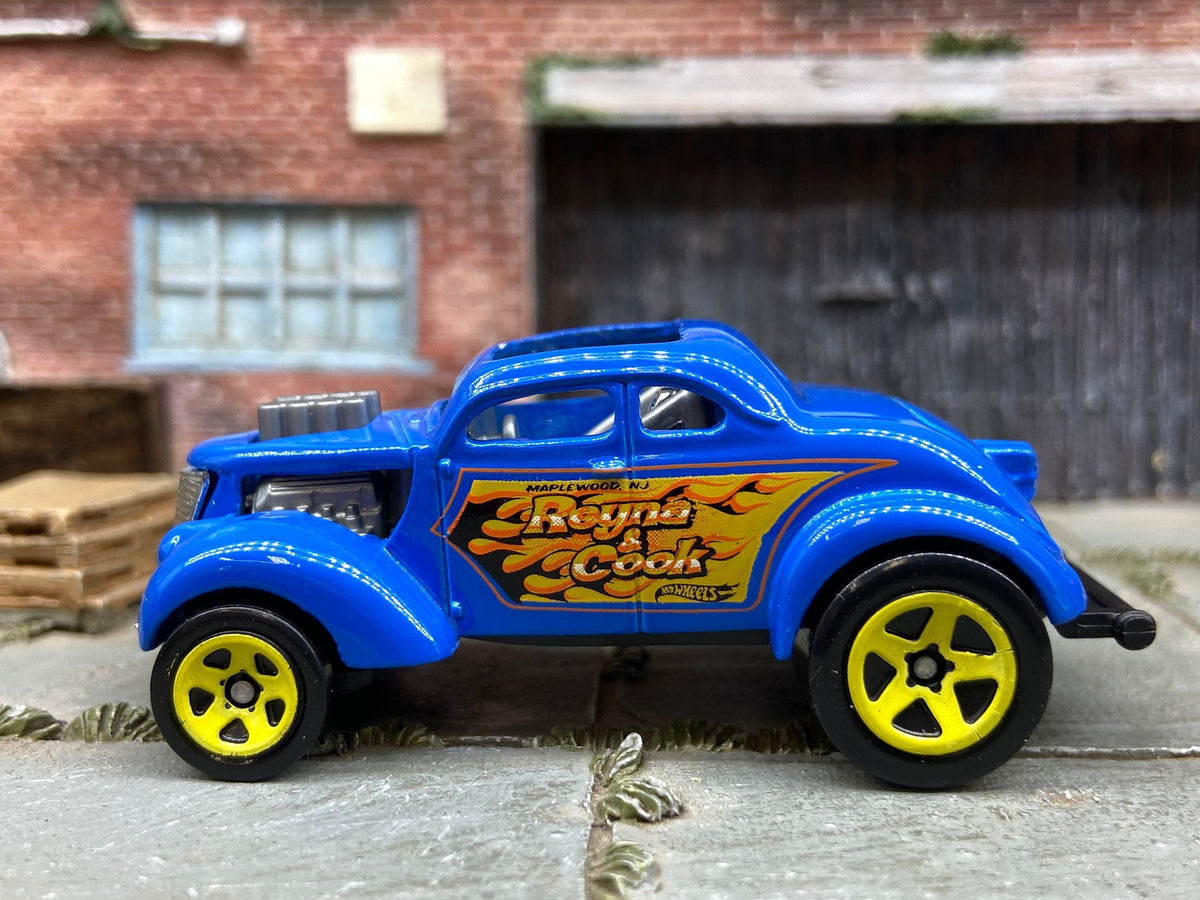
Measure the car before explaining its heft.
Two Hot Wheels can feel different in the hand because they differ in total mass, size or where that mass sits. “This one feels heavier” is a useful starting observation, not a complete material analysis or a speed prediction.
This is an individual-car measurement guide. For a claim about entire generations, use the separate old-versus-new comparison guide. Neither article supplies invented factory-wide gram ranges.
Identify what is actually on the scale
Record the manufacturer, casting, release evidence, visible base markings and known modifications. A base copyright date can describe the casting's design rather than the date your particular color was sold. Keep packaging and seller identification with the record when available.
Weigh the bare car if comparing cars. A card, blister, protector or display case changes the object being measured. Do not open a collectible package only to complete a weight chart; note that its car-only mass is unavailable and compare a different loose example instead.
A repeatable weighing method
- Put a suitable scale on a stable, level surface. Check its units and resolution, and follow its calibration instructions rather than inventing a calibration procedure.
- Zero the empty scale. If using a support tray, tare that tray first and keep it clear of surrounding objects.
- Place the car fully on the scale. Wait for the reading to settle, record it, remove the car, and repeat.
- Keep every reading, including inconsistent ones. Re-zero and investigate if the display drifts or repeated readings disagree beyond its stated resolution.
- Compare readings taken with the same setup. Do not display more decimal places than the instrument provides.
A scale displaying whole grams cannot establish a tenth-of-a-gram difference. Equal displayed readings mean equal at that instrument's resolution, not proof that the cars have exactly identical mass.
| Field | Record |
|---|---|
| Identity | Casting, exact release evidence and stock or modified status |
| State | Loose car; accessories included or excluded; missing pieces |
| Instrument | Scale model, units and displayed resolution |
| Measurements | Reading 1, reading 2, reading 3; note instability |
| Interpretation | Observed mass difference, separate from any proposed cause |
Materials are only part of the explanation
Total mass depends on the amount of each material as well as its density. A larger body, thicker section, additional component or different base can matter. A generic “diecast” description does not reveal a precise alloy, wall thickness or percentage of metal.
Use a manufacturer's exact-release description for body and base materials. A chrome-look surface may be a finish over another material; a photograph is not a reliable density test. Do not scrape or dismantle a collectible just to label every hidden component.
When the evidence supports only “these two cars have different measured masses,” stop there. Explaining the difference requires information about their actual construction, not a brand-wide stereotype.
Representative examples are not a weight ranking


Mass and balance answer different questions
Total mass is one number. Balance describes how mass is distributed. Cars with the same total mass can sit or respond differently if their shapes and component positions differ. A hand impression can mix those effects together.
A casual axle-by-axle weighing setup is not automatically a valid center-of-mass measurement: support height, contact points and geometry affect it. If balance is important to a track project, record a defined test arrangement and its limits rather than publishing a precise center-of-gravity figure from a fingertip test.
Do not turn weight into a guaranteed race result
Wheel contact, axle alignment, rubbing, track slope and release technique can affect a roll. Test the actual cars on the same clean course with the same starting method, multiple runs and lane changes where appropriate. Keep altered cars separate from stock ones.
The rolling-performance guide provides a diagnostic path. A measured mass difference alone is not enough to predict which car will win.
Choose weight only when it serves your goal
For display collecting, documented identity, finish and condition may matter more than heft. Browse loose cars when you want individual inspection, carded releases when packaging matters, and finished customs when modifications are the intended feature.
Keep the finding narrow and reproducible.
“Car A reads heavier than car B on this scale” is a defensible result. The material explanation, balance and track outcome each need their own evidence.

