

Hot Wheels How To
Has This Hot Wheels Been Repainted? A Non-Destructive Inspection Guide
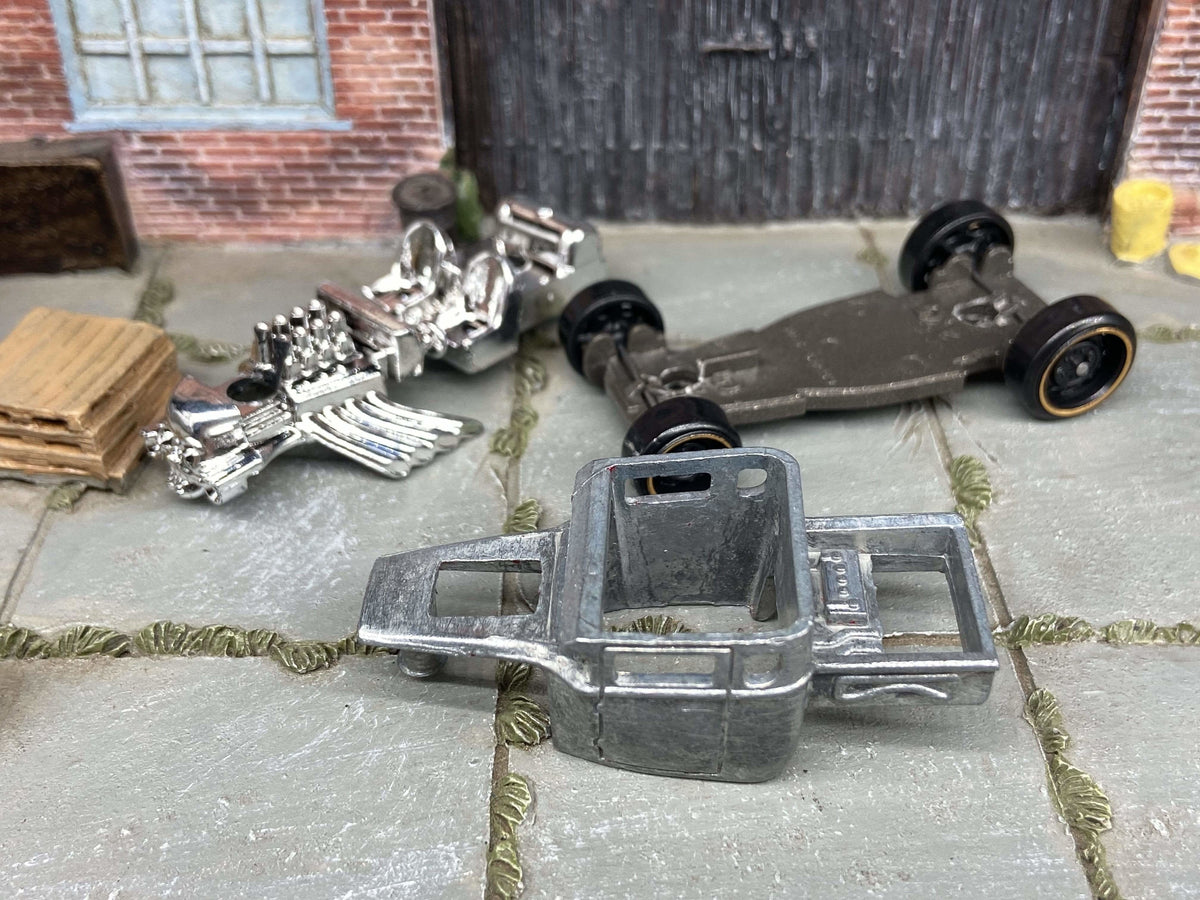
Direct answer: Identify a Hot Wheels release by combining evidence rather than relying on one clue. Compare the base, casting details, wheels, paint, graphics, packaging, and known release references. A wheel swap, repaint, regional package, or factory variation can change what you see, so record the evidence and separate confirmed facts from assumptions.
What to check before you begin
Start with the model name and base markings, then compare exact cast details with a reliable checklist or catalog. Inspect the wheels, axle, paint, tampos, interior, and packaging for signs of replacement or alteration. Use multiple views and note uncertainty; a single color or feature rarely proves authenticity, rarity, or a specific release by itself.
Start from the exact question in this guide: Has This Hot Wheels Been Repainted? A Non-Destructive Inspection Guide. Use the current car and parts in front of you as the reference. Photos can document details, but compare them with measurements or reliable release information when the decision depends on fit, originality, or value. Keep confirmed details separate from estimates.


A practical step-by-step process
- Photograph the base, all sides, wheels, and packaging before handling or opening it.
- Record the casting name, base wording, country markings, and package identifiers exactly as shown.
- Compare details with more than one reliable release reference for the same year or series.
- Look for mismatches such as different wheel styles, paint overspray, disturbed rivets, or graphics that do not match the documented release.
- Label conclusions as confirmed, likely, or unverified and keep the evidence with the car.
Keep the result accurate and useful
Record the model, condition, measurements, and changes in a short note that you can return to later. If you are buying or modifying a car, save the listing and clear photos before work starts. If a detail remains uncertain, say so rather than turning it into a definite claim. That makes the guide useful to collectors with different castings, parts, and experience levels.
For related projects, explore finished custom Hot Wheels and DIY Hot Wheels kits. Check the exact fit, contents, or condition on each listing because product details vary by item.
Frequently asked questions
Does one feature prove a car is rare or authentic?
No. Confirm identity with several independent details and a reliable release reference.
Can a replacement wheel change identification?
Yes. A wheel swap can make a car appear different from its documented factory release, so inspect the full casting and base.
What if references disagree?
Keep the uncertainty explicit and compare additional catalog or packaging evidence.

