

Matchbox
Matchbox Superfast: The 1969 Transition & What Collectors Should Check
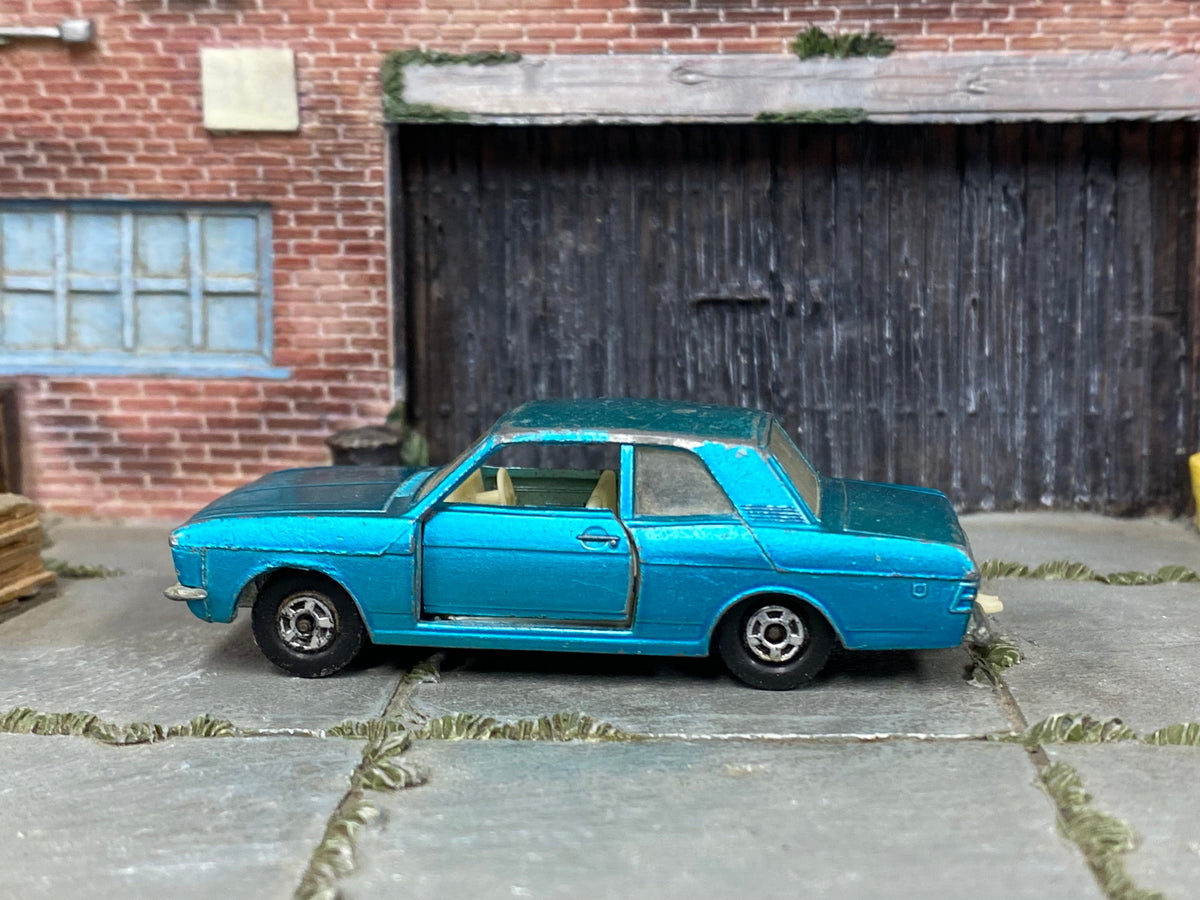
Superfast history and an individual car's identity are different jobs.
The early Superfast story involves both new models and conversions of existing regular-wheel castings. To identify a purchase, determine which body, wheel system and revision the actual example has. Do not assume every familiar name debuted when its wheels changed.
The featured vintage Cortina is a regular-wheel comparison, not a Superfast release. This is an identification and collection-planning guide, not an exhaustive list of every variation or a promise that MM stocks every Superfast target.
What the 1969 transition establishes
David Tilley's first-hand photographed collection survey, published November 1, 2020, documents ten Superfast models released during 1969: five new castings and five regular-wheel conversions. His comparison includes catalog material and contemporary boxes.
That history supports a narrow, useful distinction. A casting debut, introduction of its Superfast configuration and the date of a later example are not interchangeable. The transition did not replace every body with identical new tooling in one step.
Tilley's Lotus Europa comparison also shows early narrower-wheel configurations and later wider-wheel examples with changed wheel arches. That is a casting-specific illustration of why the body and wheel configuration must be studied together, not a universal recipe applied to every model.
Choose a collecting question before building a checklist
You could collect one casting's documented revisions, a small selection of early releases or examples that recall your own play history. Define the intended slot before paying extra for a seller's variation claim.
For a historical-original collection, distinguish unmodified, restored and incomplete cars. A later edition can be enjoyable without silently filling a slot intended for an earlier untouched example. For a display collection, visible condition may matter more than an exact box revision.
| Evidence | Question it helps answer |
|---|---|
| Casting and body | Which documented revision does this shape resemble? |
| Wheels and base | Does this combination match the specific reference? |
| Interior and glazing | Are these consistent with that configuration? |
| Finish and labels | What is visible, missing or possibly altered? |
| Box and end label | Is the supplied package appropriate, original or reproduced? |
| Condition and disclosure | What survives, and what work is known to have been done? |
Regular-wheel examples clarify what this comparison is not


Do not authenticate with rolling speed
A fast hand spin is not proof of a factory configuration. Wear, contamination, wheel replacement and alignment can change how an individual car behaves now. Identify documented components separately from testing today's performance.
Likewise, avoid statements that every Superfast car received the same axle thickness, lighter body or wheel design. If a technical change matters to your proposed identification, use a reference for that exact casting and revision rather than extrapolating from another car.
Keep packaging and the car as two records
Record box wording, end labels, artwork and condition. Ask whether the box is original or a reproduction and whether it was supplied separately. A model number alone is not enough to establish that every historical box bearing it belongs with every revision of the car.
Keep photos of both objects. A car with old packaging may have been restored or assembled from parts; a genuine box does not authenticate an unseen axle or finish. Use the early Matchbox checklist for a step-by-step examination.
Compare value only after configuration and condition
Compare completed transactions for the same supported version and similar condition. Keep loose, boxed, restored and incomplete examples separate. A high asking price is not evidence of rarity, surviving population or a completed sale.
Record the transaction date, package status and known work with any price comparison. If the variation remains uncertain, the price research remains uncertain too. Do not attach an appreciation promise to a historical wheel family.
Shop for evidence rather than a broad category label
Browse vintage Lesney models using each offer's actual-item photos and contents. Modern Matchbox customs belong in a separate modification category. Rubber tires alone do not turn a custom into a factory historical variant.
A focused collection has checkable slots.
Define the casting or period, record the configuration and package independently, and buy the best-documented example for the intended slot. Leave unresolved details visible in the collection record.

