Bone Shaker — A Collector’s Guide
The Casting — the Bone Shaker — is one of Hot Wheels’ most iconic original castings and a must-have for fans of rat rods and diecast cars. The casting (commonly called "the casting" among collectors) began life in Hot Wheels’ modern era and stands out for its skull grille, exposed engine, and aggressive stance. Collectors care about the casting for rarity, design variations, and chase releases that drive secondary market value, and this guide covers the casting end-to-end: history, variations, valuations, and where to find Loose Hot Wheels Bone Shaker examples at Muncle Mikes and beyond. This piece is built as a living document and will be updated monthly with new finds and market data.

Jump to: Casting overview · Of the casting (sections) · Collector history · Shop links · FAQ (The Casting) · Product data · Conclusion & CTA
Casting overviewCasting number: J3247 (Bone Shaker family identifier used in many databases)
Designer: Larry Wood (signature rat-rod style and skull motif)
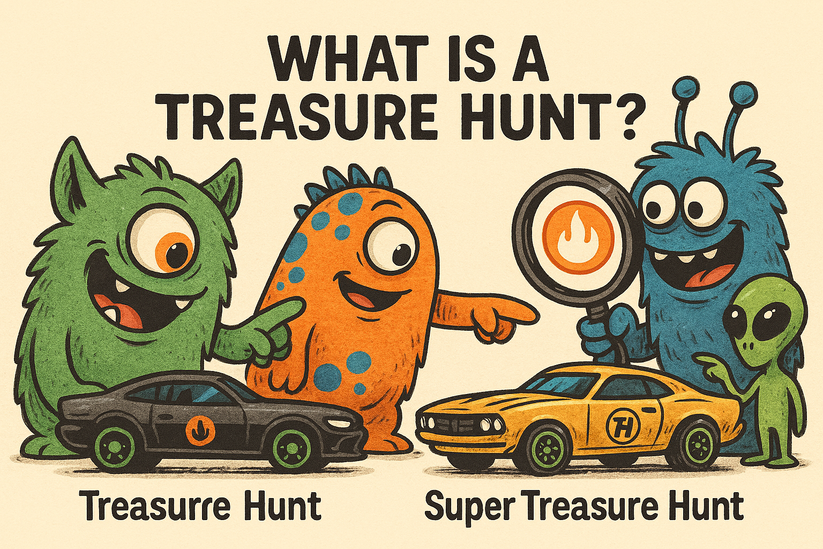
Sets it has come in: First Editions, mainline assortments, Treasure Hunts, special convention releases, Mattel/Mattel Creations and collab sets
Variation names and castings: Open-roof and closed-roof Bone Shaker, Joker-themed variants, Treasure Hunt liveries, RLC/chase colors, Premium and Mega Showcase versions.
Of the casting — origin and design intent
Collectors ask: where did the casting idea come from and why does it endure? The Bone Shaker was created as an original Hot Wheels rat-rod design by Larry Wood; its skull grille and chopped roof tap directly into hot rod culture while remaining distinctive at shelf glance. For diecast cars and collectors focused on design lineage, this casting represents Mattel’s strategy of producing signature castings that spawn decades of variants. For sourcing Loose Hot Wheels Bone Shaker models, check our loose inventory at /collections/loose-hot-wheels where we maintain accurate condition grading and photographed examples to support collector buying decisions.
Of the casting — variations, tweaks, and release cadence
Which versions should you track? The casting has been issued in open and closed roof forms, special finishes (zamac, gold chrome), Treasure Hunt prints, and convention exclusives. These variations drive search intent from buyers looking for specific rare combos in a Hot Wheels loose lot — use exact casting names in your product titles and schema to capture long-tail searches like "Bone Shaker Treasure Hunt black 2024" and route traffic to the right listing in /collections/loose-hot-wheels.
Of the casting — value drivers and what to inspect
Value hinges on production flags: real-rider wheels, red-line Treasure Hunt marking, base printing (country and plastic vs. metal), paint defects, and unique tampo printing. For diecast cars, tighten your condition notes: explain wheel wear, paint chips, base rust (rare on modern castings), and whether the skull grille retains factory tampo. When you list a loose Hot Wheels Bone Shaker, include high-res photos and exact casting codes to qualify buyers quickly.
Of the casting — collecting strategies and set-building
Some collectors build variant sets (all open-roof variants, every color across release years, or theme-based builds like 'Skull-liveried Bone Shakers'). For resellers or curators, group listings in your shop by attribute: roof type, wheel type, and production year to capture clustered long-tail queries and upsell matching pieces from /collections/loose-hot-wheels.

Of the casting — spotting fakes and custom conversions
Bone Shaker fakes/customs occasionally surface: look for mismatched wheel stems, aftermarket tampo, or non-factory base stampings. Many fakes use unpainted bases or incorrect wheel codes. If you're buying a loose lot of Hot Wheels, inspect base text, rivet style, and wheel finish before purchase. When listing on Muncle Mikes, include a line about authenticity verification to close sales confidently.
Of the casting — the casting in pop culture and real-world builds
The Bone Shaker moved off-card when real-life builders and Mattel collaborations reproduced the concept for shows and special editions. Mattel Creations and related product lines have repackaged the casting into premium sets and build kits, driving cross-market interest between toy collectors and hot rod fans.
Collector history and lore
General information about the casting
The Bone Shaker debuted in the 2006 First Editions series and quickly became a signature Hot Wheels original casting because of its memorable skull grille, exposed engine, and tough stance. Its J3247 identifier appears in multiple community catalogs and wiki pages, which track dozens of colorways and annual remixes. The casting’s endurance is due to both design strength and Mattel’s repeated reissues, including Treasure Hunt and exclusive releases.
Collector notes
- High-value flags: Real Riders (rubber tires), RLC exclusives, Zamac limited runs, and Treasure Hunt variants.
- Common pitfalls: aftermarket paint and wheel swaps that mimic chase looks; always compare base markings and wheel codes to authoritative sources before valuing.
- Condition grading: for loose pieces, emphasize wheel wear, axle bend, and base printing clarity; for carded pieces, register scuffs, bubble flattening, and hang-tab damage.
Stories and rumors
Rumors in collecting circles include whispered RLC-only paint runs and "apology" releases tied to production errors on early First Edition mixes. There are documented RLC/chase releases of the Bone Shaker and high-profile convention debuts that fueled collector mania — these are tracked across fan sites and auction histories.
Shop links (search links)
Quick searches on Muncle Mikes — open in a new window to preserve this page.

FAQ
How can I identify the original Bone Shaker casting?
The Casting is identified by its signature skull grille, exposed engine, and Larry Wood design cues; check the base for the J3247 code and the production year to confirm authenticity. Look for factory paint tampo and correct wheel style when comparing diecast cars in a loose lot.
What production years used the original Bone Shaker casting?
The Casting first appeared in 2006 and has been reissued repeatedly in mainline and special series; tracking base printing and wheel types helps date a specific example. Some years produced Treasure Hunt or premium variants that are higher value among collectors.
Are there high-value variants for the Bone Shaker casting?
The Casting has high-value variants including RLC exclusives, Real Riders, and Treasure Hunt versions; condition and rarity determine realized prices on auction sites. Always verify base stamps and wheel codes before paying a premium for diecast cars.
How do I grade a loose Bone Shaker casting for sale?
The Casting grading should document wheel wear, axle alignment, paint chips, and base printing clarity; provide multiple photos and condition notes for buyers. Use consistent grading terms across your Loose Hot Wheels listings to reduce returns and increase buyer trust.
Can the Bone Shaker casting be converted or faked easily?
The Casting is sometimes subject to wheel swaps and aftermarket tampo jobs that mimic chase looks; compare base codes and rivet style to reputable references before accepting value claims. For sellers of loose lots, disclose any aftermarket modifications clearly.
Conclusion
The Bone Shaker casting remains a cornerstone for Hot Wheels collectors and diecast cars enthusiasts. If you’re hunting Loose Hot Wheels Bone Shaker pieces, Muncle Mikes keeps a curated inventory with transparent grading and fast shipping — we update this living guide monthly to reflect market movement and new variants. Ready to shop? Browse our Loose Hot Wheels and grab your next Bone Shaker before it’s gone.
Browse Loose Hot Wheels