The Loose Hot Wheels Value Guide is your field-tested roadmap to understanding pricing, rarity, and collector strategies for loose diecast. Whether you’re sorting a childhood stash or refining a high-grade display, this guide shows how condition, variants, and market demand truly shape value. We’ll break down realistic price ranges, explain why some castings spike, and share negotiation tips that actually work at shows, online, and local meets. You’ll learn the vocabulary of loose Hot Wheels—redlines, mainlines, chase pieces, wheel swaps—and how each signals market interest. We’ll also show how to protect margins when buying and selling, so you stay collector-first while keeping deals fair. By the end, you’ll have a repeatable system to price, source, and move inventory confidently. Use this Loose Hot Wheels Value Guide to make smarter decisions and shop verified listings with ease.

A practical overview of loose Hot Wheels pricing, rarity tiers, and collector strategies.
The Loose Hot Wheels Value Guide is your field-tested roadmap to understanding pricing, rarity, and collector strategies for loose diecast. Whether you’re sorting a childhood stash or refining a high-grade display, this guide shows how condition, variants, and market demand truly shape value. We’ll break down realistic price ranges, explain why some castings spike, and share negotiation tips that actually work at shows, online, and local meets. You’ll learn the vocabulary of loose Hot Wheels—redlines, mainlines, chase pieces, wheel swaps—and how each signals market interest. We’ll also show how to protect margins when buying and selling, so you stay collector-first while keeping deals fair. By the end, you’ll have a repeatable system to price, source, and move inventory confidently. Use this Loose Hot Wheels Value Guide to make smarter decisions and shop verified listings with ease.
Loose Hot Wheels value guide: understanding pricing trends
Pricing for loose Hot Wheels hinges on a few consistent levers: scarcity, condition, variant desirability, and current demand. Mainline loose commons in honest playwear often land in budget bins, while clean examples from fan-favorite castings command premium multipliers. Redline-era pieces, early Blackwalls, and iconic fantasy castings like Twin Mill or Bone Shaker can outperform standard models when condition and colorways align. Use a blended approach: scan recent sales, verify production runs, and cross-check unique wheels or tampo variations. Track “show season” effects—prices may rise near major events and limited drops. For research depth, consult authoritative resources like Hot Wheels Wiki and official releases via Mattel Creations. If you’re sourcing inventory, monitor velocity: pieces that sell within 24–72 hours likely merit firmer pricing, while slow movers suggest bundle or volume strategies.
Rarity factors that drive loose Hot Wheels prices
True rarity blends production constraints with collector preference. Short-run series, regional exclusives, first year castings, and early wheel types often outperform typical releases. Chase indicators—special paint, spectraflame finishes, rubber tires, or tampo anomalies—can elevate loose value if the condition is intact. Color variations matter: unexpected shades or factory-labeled errors attract specialists, but authenticate carefully to avoid post-hoc mods. Packaging-origin rarity still affects loose: pieces liberated from rare multi-packs or store exclusives can carry residual desirability. Balance hype with history by corroborating claims against confirmed series pages on Hot Wheels Wiki series and official drop archives from Mattel Creations Hot Wheels. When in doubt, compare two or three comps with similar wear, variant, and wheel sets, then set a range to account for collector negotiation.
Condition grading for loose Hot Wheels: honest wear vs. display grade
Condition is the most controllable factor in loose valuation, and precise grading builds trust. Use a simple, repeatable rubric: Mint (no visible defects), Near Mint (minor micro-rubs), Excellent (light edge wear), Good (noticeable playwear), Fair (heavy wear, chips), and Parts/Custom fodder. Document wheels, axles, windows, and tampos; a single cracked windshield can drop value more than small paint rubs. Photograph in neutral lighting, include close-ups of noses, roof edges, and wheel hubs, and avoid filters that mislead buyers. Disclose wheel swaps and custom touches clearly; some collectors pay a premium for tasteful customs, but others seek factory-correct examples only. Clean gently—dry microfiber for dust, avoid aggressive solvents that can lift paint or tampos. Well-graded, well-presented loose Hot Wheels consistently sell faster and closer to ask, especially for classic castings and fan-favorite livery variations.
Collector tips for buying and selling loose Hot Wheels
Treat loose Hot Wheels deals like micro-negotiations. Buy with criteria: target castings with consistent velocity, confirm authenticity, and keep a “grade floor” to avoid inventory drag. When selling, group compatible castings—brand, era, or theme—to increase perceived value and lower shipping per piece. Price with ranges, not absolutes; leave room for bundle offers and repeat-customer perks. Be explicit about flaws and include at least five images: top, front, sides, wheels, and base. Mention synonyms in listings—“loose Hot Wheels,” “diecast car,” “redline,” “blackwall,” “mainline”—to catch broader search intent. For consistent sourcing and comps, use your own site search and tag inventory for internal linking to relevant collections or guides. Keep communication short, friendly, and precise; the fastest way to a good deal is clarity and quick responses.
Where to shop loose Hot Wheels online
Reliable sourcing minimizes surprises. Start with verified listings and sellers who grade transparently. Shop curated pages on Muncle Mikes for loose Hot Wheels staples and collector favorites, and use filters to find specific eras, wheels, or liveries. When expanding your search, consider Amazon results to gauge availability and price floors—try our affiliate search for quick comps: Amazon: loose Hot Wheels. Cross-reference with official drops via Mattel Creations for current hype signals, then prioritize sellers with consistent feedback and real photos. If you’re local, meetups and shows can yield bulk opportunities; bring cash, a small light, and a microfiber cloth for on-the-spot grading. Remember: verified sources and clear listing details protect both your collection and your budget.

Collector history highlights for loose Hot Wheels
| Year | Model | Notes | Collector value range (loose) |
|---|---|---|---|
| 1968 | Custom Camaro | First-year redline era; spectraflame variations prized | $50–$150+ |
| 1969 | Volkswagen Beetle | Early casting; colorways and wheel types affect value | $35–$120+ |
| 1970 | Twin Mill | Iconic fantasy casting; strong demand across eras | $75–$200+ |
| 1977 | Blackwall era mix | Transition to blackwalls; condition-sensitive premiums | $20–$100+ |
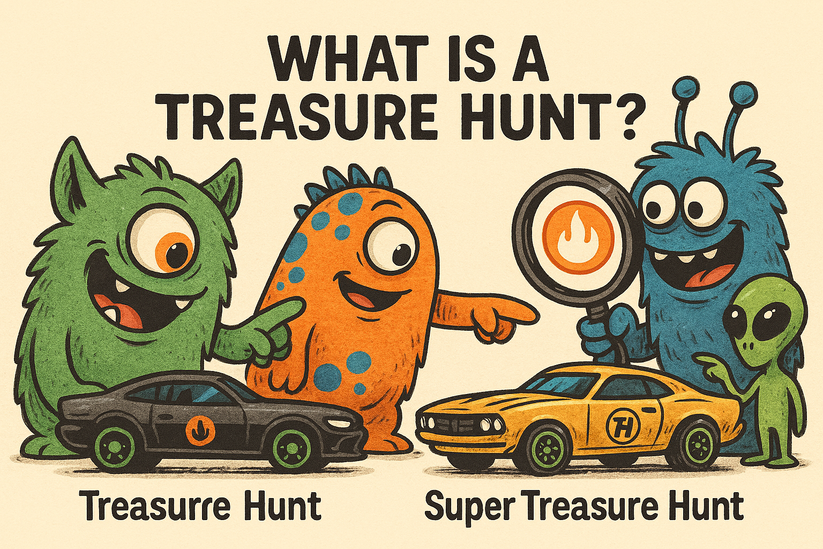
| 2008+ | Treasure Hunt / Super TH | Chase indicators (rubber tires, spectraflame); variant-driven | $15–$120+ |
These highlights illustrate how history informs loose pricing. Early redlines and foundational fantasy castings often lead, with color and wheel variations raising or lowering the curve. Chase-era pieces add velocity when condition stays strong. For deeper background on series chronology and production notes, browse Hot Wheels Wiki series, and watch official limited releases via Mattel Creations.
Shop verified loose Hot Wheels
| Model | Buy link | Notes |
|---|---|---|
| Loose Hot Wheels Custom Camaro | Shop Custom Camaro | Redline heritage; check spectraflame and wheel type |
| Loose Hot Wheels Twin Mill | Shop Twin Mill | Iconic fantasy casting; strong demand in clean grades |
| Loose Hot Wheels Volkswagen Beetle | Shop Beetle | Color variance and window clarity drive value |
| Loose Hot Wheels Datsun 510 | Shop Datsun 510 | JDM staple; livery and wheel correctness matter |
| Loose Hot Wheels Ferrari 308 | Shop Ferrari 308 | Classic exotic; base stamps and tampo integrity important |

Loose Hot Wheels pricing ranges by category
To set reliable expectations, think in categories: Commons, Fan Favorites, Historical Icons, Chase/Variant, and Customs/Parts. Commons with honest wear typically price in the budget band, especially for ubiquitous castings. Fan Favorites—like JDM staples, classic muscle, or pop-culture liveries—often sit mid-tier when clean and factory-correct. Historical Icons from early eras and beloved fantasy castings command higher ranges, and chase/variant pieces can exceed expectations if condition is strong. Customs and parts lots should be separated, clearly labeled, and priced for creativity or restoration value. Use ranges to reflect negotiation dynamics and listing exposure: Commons: $2–$8; Fan Favorites: $8–$25; Icons: $25–$150+; Chase/Variant: $15–$120+; Customs/Parts: $1–$10 each or bundle. Keep the Loose Hot Wheels Value Guide handy as you adjust for seasonality and local show trends.
How to authenticate variants and avoid post-hoc mods
Variant value depends on authenticity. Start at the base: casting codes, year stamps, and country of manufacture can reveal timelines and likelihood of certain colorways. Examine tampo alignment and consistency—factory runs are generally even, while hand-mods show drift or imperfect layering. Wheel correctness matters: match known series patterns; rubber tire chase pieces shouldn’t appear on non-chase bases without swaps. Window clarity and interior color should align with documented versions. If something feels off, seek a second opinion and compare to verified photos on authoritative sites. Keep notes with each listing so buyers see the reasoning behind your grade and variant call. Over time, consistent documentation enhances credibility and helps your loose Hot Wheels price guide results convert more efficiently.
Negotiation scripts and bundle strategies for loose listings
Short, clear scripts keep deals friendly: “Thanks for the interest—this Twin Mill is Excellent grade with original wheels. I can pair it with the Beetle for a $5 bundle discount.” Offer free shipping thresholds to nudge higher cart values. When a buyer counters low, respond with condition justification and a small concession: “Given the clean wheels and intact tampos, I can meet you halfway.” Use three-photo cuts for quick DMs and five-photo sets for listings; clarity reduces back-and-forth and protects margins. For bulk buys, organize by theme—redlines, blackwalls, JDM, muscle—so the buyer sees cohesive value. These small practices, repeated, compound into better sell-through and steady, fair pricing aligned with the Loose Hot Wheels Value Guide.
Storage, handling, and light restoration for loose Hot Wheels
Gentle care extends value. Store loose castings in divided trays or display cases to prevent hub rub and roof scuffs. Use soft microfiber for dusting; avoid harsh cleaners that can lift paint or fog windows. If wheels are slightly misaligned, careful axle straightening can improve stance—but disclose any adjustments. Replace storage foam if it sheds; fibers can mark clear plastic. Keep away from direct sunlight to reduce spectraflame fade and sticker peel. As a seller, documented care increases buyer confidence; as a collector, it preserves grades over time. Smoother handling practices translate directly to stable pricing and better results using this loose Hot Wheels price guide approach.
Ready to build or refine your display? Use this Loose Hot Wheels Value Guide to price confidently, spot authentic variants, and negotiate fair deals. Explore our verified listings and shop loose Hot Wheels with clear grading, detailed photos, and fast shipping. Whether you’re hunting classics, fan favorites, or chase pieces, we keep sourcing transparent so you can collect with trust. Dive into our curated selection today and find the next casting for your shelf.
Frequently asked questions
How do I determine loose Hot Wheels value?
Start with condition, variant authenticity, and recent comps, then adjust for demand and seasonality. Grade precisely with clear photos and verify wheel types, tampo alignment, and base stamps. Use ranges to reflect negotiation and bundle potential, referencing the Loose Hot Wheels Value Guide for realistic expectations.
Do color variations and wheels affect loose pricing?
Yes—unexpected colorways, spectraflame finishes, and correct wheel types can significantly change loose pricing. Authenticate variants by comparing documented series photos and base data. When wheels, windows, and tampo alignment match factory specs, your listing aligns better with the Loose Hot Wheels Value Guide ranges.
What’s the best way to photograph loose Hot Wheels?
Use neutral light and show five angles: top, front, sides, wheels, and base. Avoid filters, disclose flaws, and include close-ups of wheel hubs and edges. Clear, honest photos speed up sales and support fair pricing per the Loose Hot Wheels Value Guide for buyers and sellers.
Should I bundle loose Hot Wheels to increase sell-through?
Bundles work well when castings share themes like era, livery, or brand. Offer small discounts and use ranges to leave room for negotiation. This approach improves cart value, reduces shipping friction, and aligns with the Loose Hot Wheels Value Guide strategies for consistent sell-through.
Where can I research authenticity and production notes?
Cross-reference authoritative resources like Hot Wheels Wiki and official Mattel Creations drops for variant and series verification. Pair this with recent comps and your own condition grading. With solid references, your listings match the Loose Hot Wheels Value Guide more closely and earn buyer trust.